Starlabs sells the owned laptop: coreboot shelves, kill switches, parts bins, patient support
Official homepage:https://starlabs.systems
Computer stores usually arrange themselves around specifications. Star Labs arranges itself around a door sign — “Linux hardware, built to be owned” — and then has the discipline to run the entire shop by it: what the shelves hold, how the configurator sells, what the price tags show, which policies sit within reach, and what stays on display after checkout. I browsed with a screwdriver in the desk drawer and a grudge against every laptop I was never allowed to open.
The Door Sign as Store Policy
The homepage is four promises rather than a carousel: Linux-first hardware, open firmware, physical privacy controls, repairable ownership. In retail terms, that is the positioning statement every department must obey — and, unusually, nothing on the shelves contradicts it. The sign and the stock agree.
Shelves, Not Spec Dumps
Navigation resolves into a small, legible matrix: a fanless 12.5-inch tablet, a 1.1 kg 13.4-inch clamshell, a 16-inch workstation, laid out in a comparison table with only the columns that matter. Display, weight, power class, ports, battery, “why this one.” The shopper self-sorts in a minute instead of drowning in model variants. It reads like aisle design, not a spec avalanche.
The Configurator as Salesperson
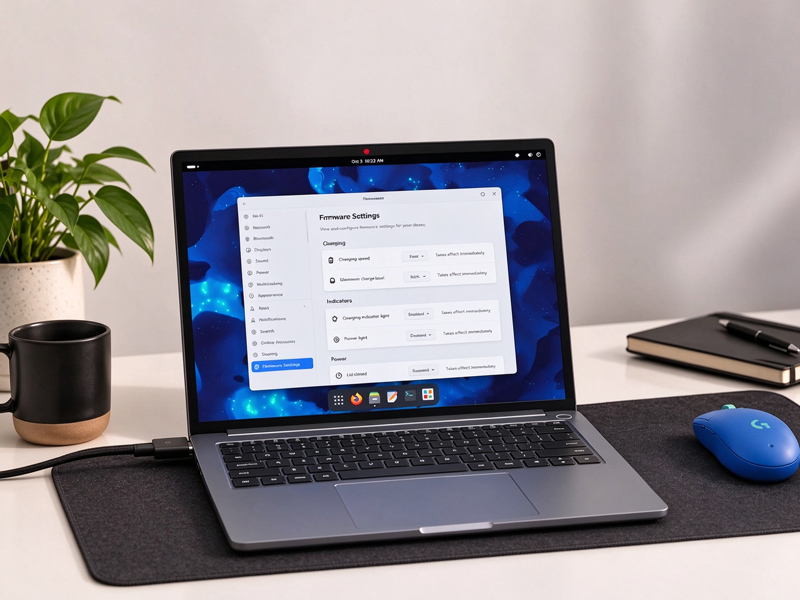
The StarBook Horizon page opens at $1,357 and immediately splits into two rungs — Horizon for efficiency, Plus for headroom: bigger battery, haptic trackpad, PCIe Gen 4 storage, seven keyboard layouts. Two clean choices with visible trade-offs is good storekeeping. The customer is never asked to compose a laptop from scratch, only to decide which sentence they are living: efficient and open, or headroom with wider layouts.
Price Tags That Show Their Work
The tag promises free shipping to most regions, and the page beneath it files receipts: published Ubuntu benchmarks for the base CPU, idle battery context, storage security notes. Most stores let adjectives carry the price. This one keeps the measurements beside the register, where a skeptical buyer can check them before paying.
The Policy Shelf Within Reach
The quietest fixtures are the boldest. Parts, recovery media, and disassembly guides remain visible after purchase; battery and SSD are user-accessible; compatible parts are designed to carry forward across generations. Third-party reviews have long recorded a warranty attitude tolerant of owner upgrades and alternate operating systems, and the current shop maintains the infrastructure that makes that credible — you can still buy the piece that breaks. The relationship does not end at returns; it continues at the parts bin.
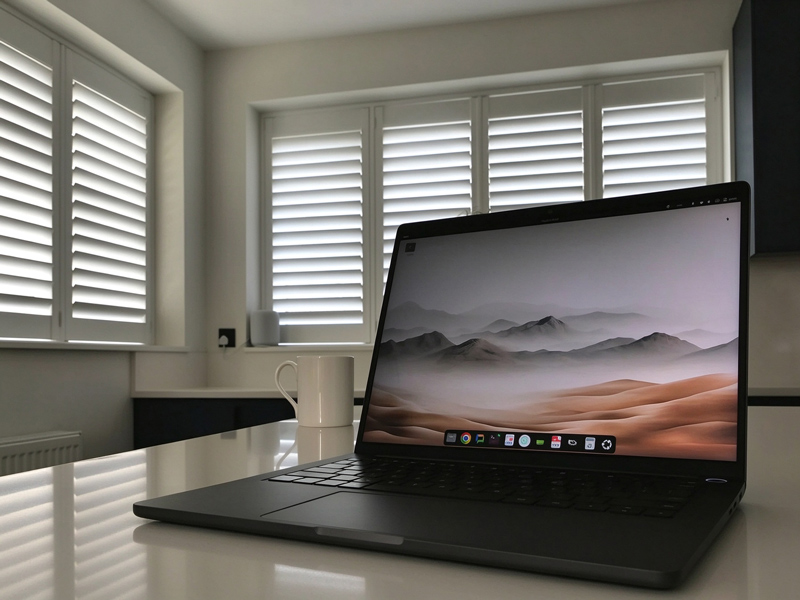
Content as Merchandise
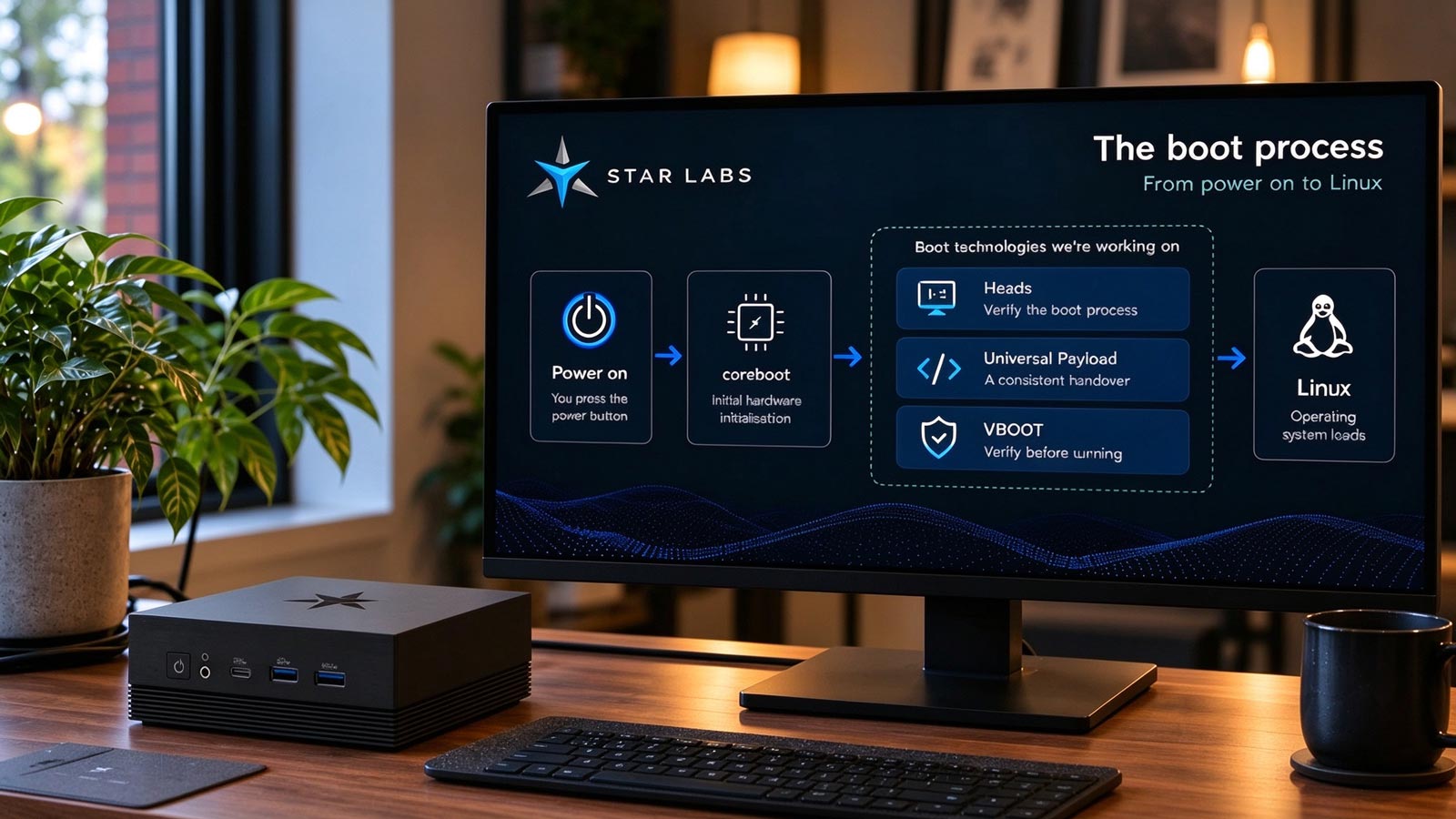
Firmware and support pages function as permanent inventory: coreboot with Intel ME disabled, signed LVFS updates, a clean first-boot image with no factory password or hidden encryption secret, and the freedom to reinstall from a standard distro ISO later. None of that is packaging — it is stock kept current on the shelf, and it converts the skeptical reader before the skeptical reader becomes a customer.
Checkout Calm
Regional storefronts, plain configuration choices, published shipping terms, and support described as direct from the people who build the machines. No countdown timers, no accessory ambushes. The register area matches the door sign: control where it matters, all the way to the receipt.
By the last page the argument is complete in retail terms: a small honest inventory, a configurator that advises rather than overwhelms, price tags backed by measurements, a parts bin that stays open, and policies written for owners instead of auditors.