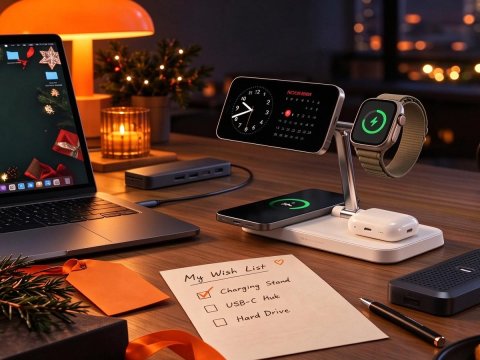
Grovemade in 2026: inside the portland studio selling $400 wooden desk shelves
Official homepage: https://grovemade.com
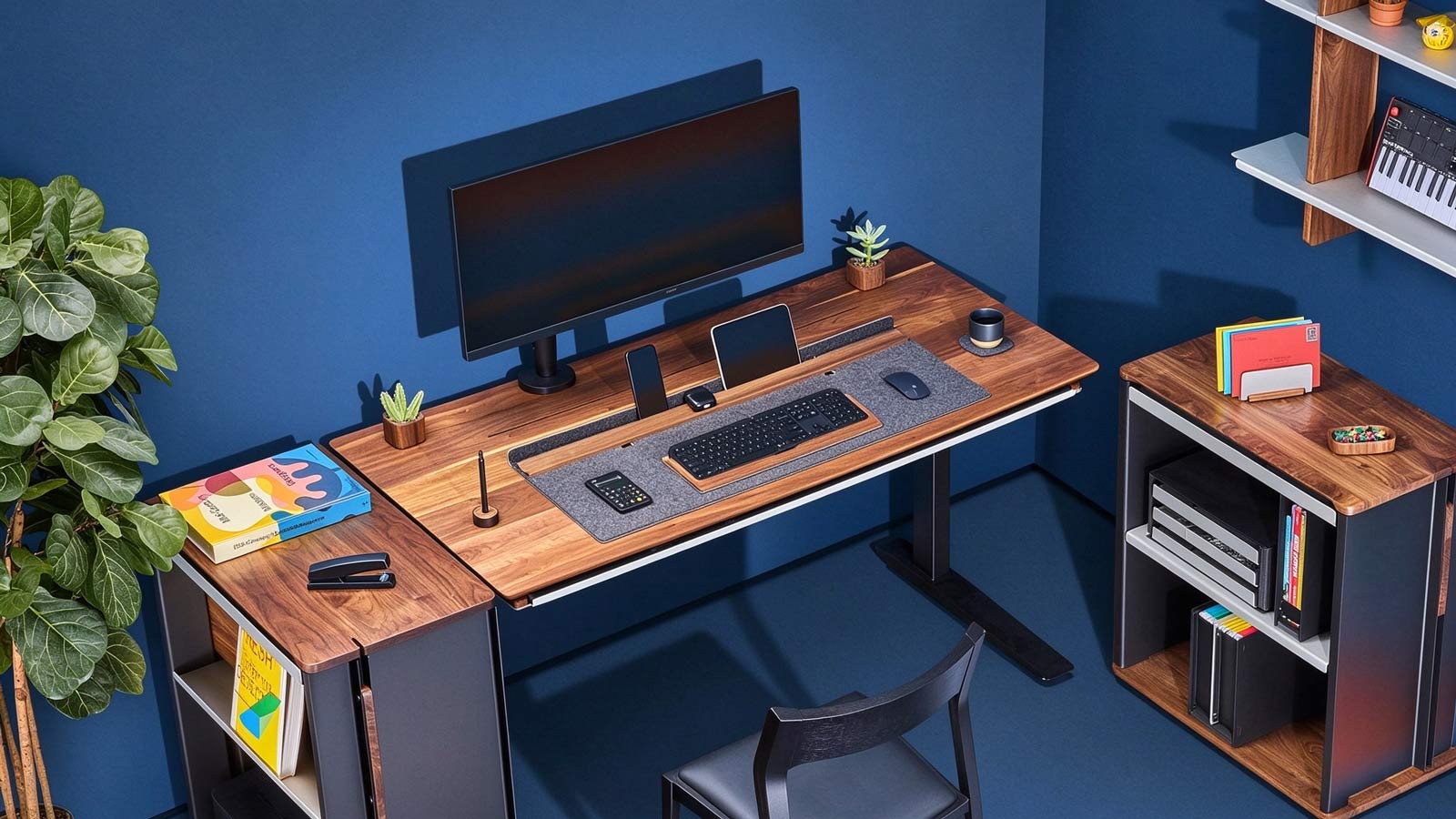
Computer accessory stores usually sell compatibility. Grovemade sells a mood. The Portland, Oregon studio — founded in 2009 by furniture builder Ken Tomita and digital artist Joe Mansfield — has spent nearly two decades making desk accessories from walnut, maple, German wool felt, and cork, all designed and finished in-house, all photographed so beautifully that half of YouTube's desk-setup videos quietly function as its advertising. The desk shelf that made the brand famous now runs from $192 for plywood to well past $380 in solid wood configurations. I went through the store as someone who has watched those videos and wondered whether the object matches the footage. Here is what each dimension revealed.
A Near-Death iPhone Case Birth in Portland
The origin story is a warning label and a love letter at once. Tomita, a self-employed designer of Japanese-inspired furniture, and Mansfield, who ran a laser-engraving business, decided in 2009 to "make cool stuff and have fun doing it." Their first product was a bamboo iPhone case that took nearly a year to perfect — and it launched the day before Apple announced the iPhone 4, instantly rendering it old news. The company nearly died on arrival, pivoted in three months, and rebuilt itself around desk organization. What emerged was a business with no outside investors, a famously humane 35-hour work week, and a Northeast Portland headquarters where a small team still designs, machines, sands, and finishes everything by hand. On the storefront, that story is told unusually well through the company's journal, giving the store a warmth that mass-market accessory shops can't fake.
Wood, Wool, and Cork as a Business Model
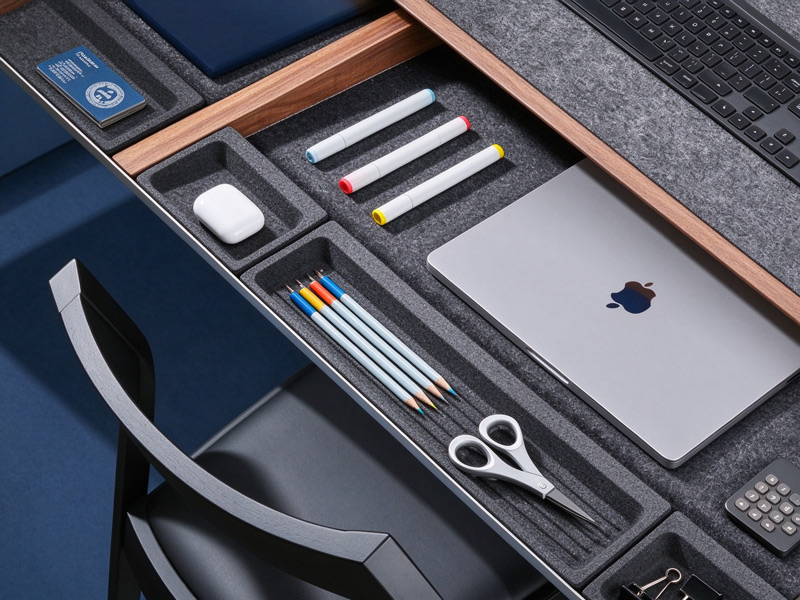
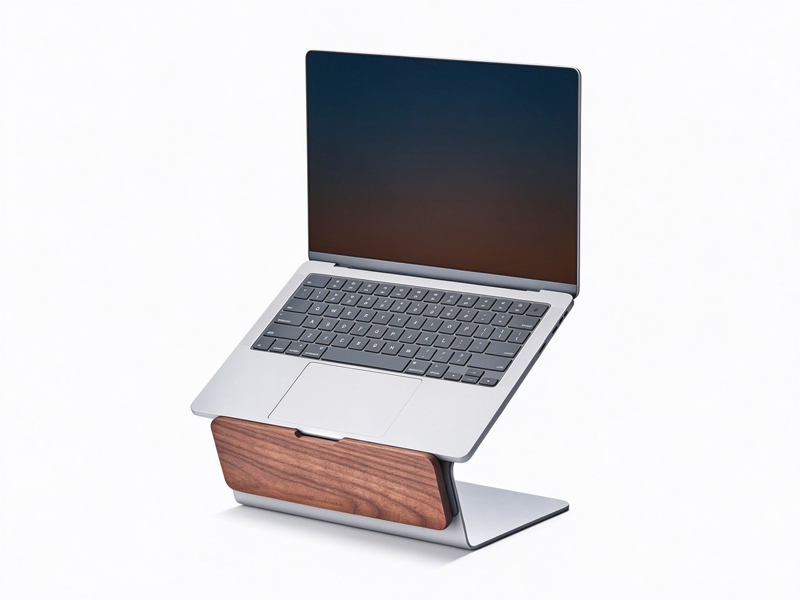
The materials are the merchandising strategy. The flagship Desk Shelf pairs a solid walnut or maple slab with aluminum shelving and legs made from cork layered around a metal core — a material choice driven as much by flat-pack shipping economics as by aesthetics. The laptop stand, at $139, is laminated bent wood rated to hold 200 pounds, with cork pads and a stainless steel stop lined in leather. Desk pads use premium German merino wool felt; trays mix anodized aluminum with hand-stained cork. Every product page names its materials, its origin, and often the person who designed it. The consistency is real — a full Grovemade desk reads as one designed system, which is exactly the point. It also means the catalog is narrow by design: shelves, stands, trays, pads, lamps, and pen cups, with no ambition to be everything to every desk.
When the Photos Outrun the Product in Hand
This is the dimension where the store gets genuinely complicated. The photography is superb — arguably the best in the entire desk-accessory category — and the site layout is clean, calm, and confident. But Trustpilot's record tells the other half. Multiple buyers describe receiving stands that required self-assembly at a premium price point and felt flimsier than the photos implied; one called the desk shelf "stacked plywood with a real oak veneer" with styrofoam-textured legs, and another wrote that the company is "just really good at Photoshop." Sizing is a real pitfall too — the shelf's fixed 4.5-inch lift pushed one dual-monitor owner's screens high enough to cause neck strain. The store does provide a sizing guide and clear specs, but nothing on the page prepares you for how light cork feels against a $380 mental image. The gap between rendered image and unboxed object is this store's biggest hidden cost.
The Dupe Economy Closing In on Premium Wood
Pricing is where Grovemade's moat is being drained. The desk shelf sits at $192 to $380 depending on size and material, the laptop stand at $139, desk trays around $100, and full bundles pushing 400–400–600. For years that was defensible as the price of American craft. But the alternative market has matured brutally: bamboo monitor stands with drawers at 40–40–70, walnut-look risers at $59, and YouTube roundups openly titled "Grovemade dupes" now dominate the discovery path of every buyer the store hopes to convert. Grovemade responds with bundles and an annual anniversary sale that Wired covers like a weather event, discounting favorites 20% or more. The honest read: the store still wins on material truth and design coherence, but it no longer wins automatically, and its prices increasingly require a buyer who values provenance over function.
Flat-Pack Shipping and the Returns You Fund Yourself
Logistically, the store is competent at the front end and punishing at the back. The flat-pack cork-leg design ships efficiently and arrives well packed, with clear assembly instructions most of the time — though missing screws and absent instructions appear often enough in reviews to notice. The pain point is returns. Grovemade does not provide return labels; buyers report paying $45 to $116 out of pocket to send items back, on top of the original shipping, with refunds taking weeks and color-mismatch orders (walnut requested, maple received, shipped from an Ohio facility) resolved only after escalation to the founders. Support, per the same record, can go quiet for days on parts requests that a stamped envelope would solve. For a store whose entire brand is warmth and craft, the post-purchase experience documented by its own customers is the coldest thing about it.
The Shelf You Love or the Refund You Eat
Grovemade makes exactly one kind of buyer happy, but it makes them very happy. That buyer has a permanent desk, a design sensibility, and enough money that $380 for walnut is a considered purchase rather than a risk. For them, the shelf is genuinely excellent — sturdy, beautiful, and daily-rewarding, and the six-month-to-one-year ownership reviews are overwhelmingly warm. Everyone else faces worse odds: the budget buyer has better value elsewhere by an order of magnitude, the impatient buyer may meet slow support and self-funded returns, and the expectation-driven buyer may find the unboxed object lighter and humbler than the photography promised. This is a store where the product, the brand, and the after-sales machine feel like three different companies. Which one you meet depends mostly on whether your first order goes right.