Plug tech, plain and simple: certified iphones at half price, minus the mystery
Official homepage: https://plug.tech
Phone stores usually sell you newness — the sealed box, the shrink-wrap ritual, the flagship tax. Plug Tech sells the opposite proposition: a certified pre-owned iPhone, ninety-plus inspection points deep, at half the price or better, shipped from St. Louis in two days, with a twelve-month warranty that most new retailers do not match. The company grew up on TikTok, where its mystery-box unboxings and device-deal videos turned a refurb warehouse into a youth-brand phenomenon; but the more telling credential sits on its own homepage, where a New York Times Wirecutter award banner calls Plug the best experience for buying a used iPhone — with the brand cheerfully acknowledging, in the same breath, that its review unit arrived with more accessories than a typical order. That combination — viral distribution, institutional validation, and unusual honesty about its own press treatment — is the store in miniature. I went through the inspection pipeline, the warranty stack, and the fine print. Here is the store across its dimensions.
The $150 iPhone, Certified
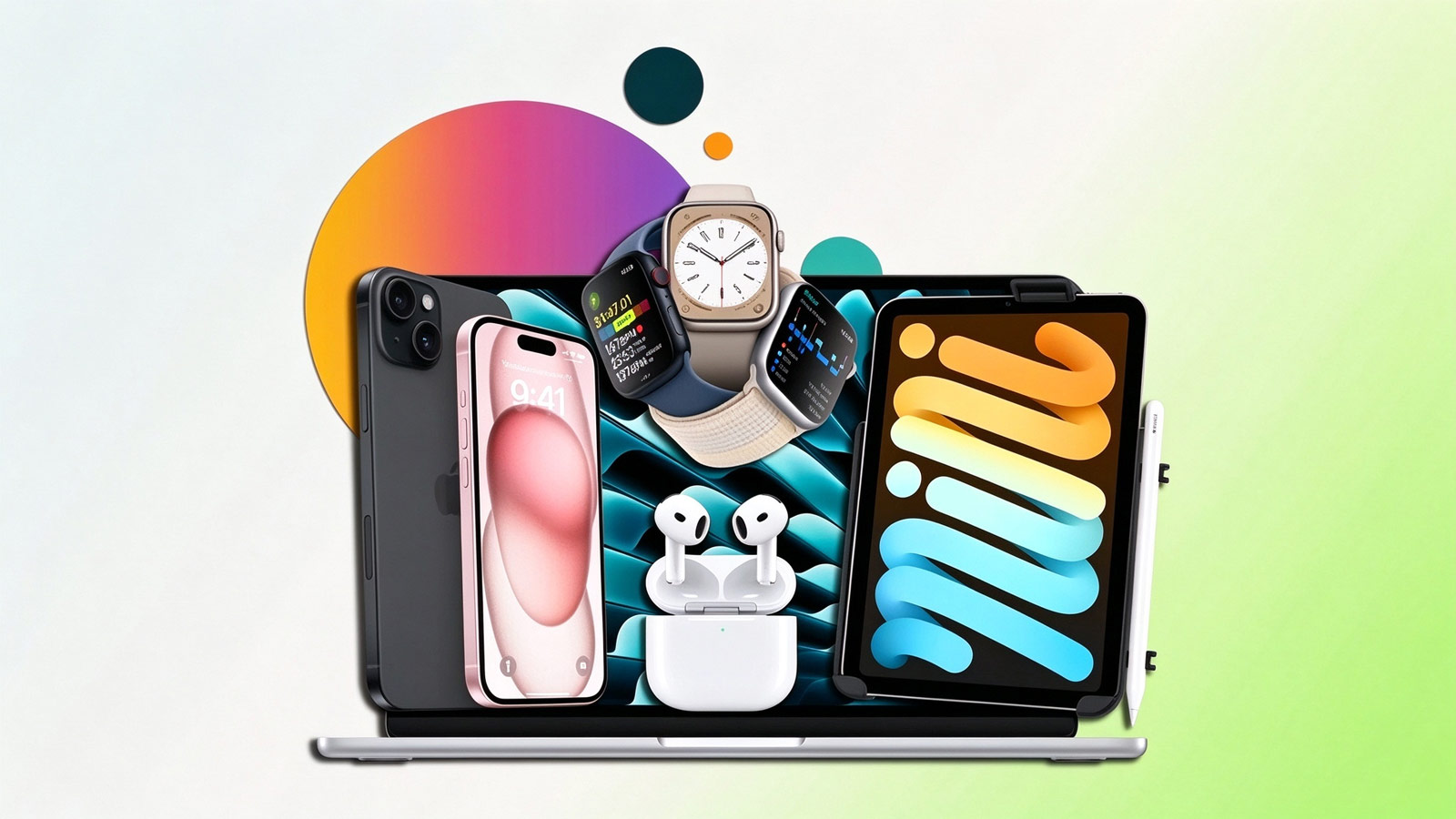
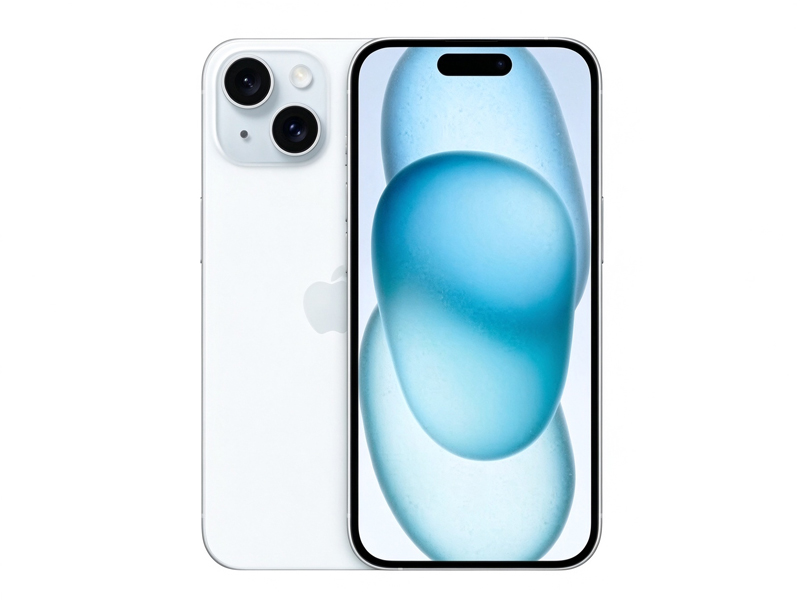
The value wall needs no translation. An unlocked iPhone XR in good condition runs $149.99 against a $349.99 reference price — fifty-seven percent off — before the cart-level discounts of ten to thirty dollars that rotate weekly. A Samsung Galaxy S22 sits at $135; a ninth-generation iPad at $165; an iPhone 13 from $247; even the recent iPhone 16 starts at $503. The catalog runs Apple and Samsung phones, AirPods, MacBooks, iPads, watches, and accessories, every listing graded — Eco-Friendly, Good, or Excellent — with the cosmetic trade-offs described rather than hidden. For the audience Plug actually serves, these prices are not a discount; they are the difference between owning a flagship and not owning one at all.
From TikTok to the Times
The origin is algorithmic. Plug built its brand on short-form video — staffers unboxing mystery-box orders worth more than their purchase price, flash deals announced with countdown energy, the app pushed as the exclusive channel for the steepest discounts — and the community followed. The St. Louis operation behind the feed does the unglamorous work: receiving, sanitizing, testing each device across up to eighty to ninety functional checkpoints, grading, photographing, and shipping. The Wirecutter recognition matters because it arrived the hard way — an independent lab test of the refurbishing quality — and the brand's decision to display the review's caveat about press-unit extras on its own homepage suggests a company that understands its audience punishes spin faster than imperfection.
What 90-Plus Points Buys
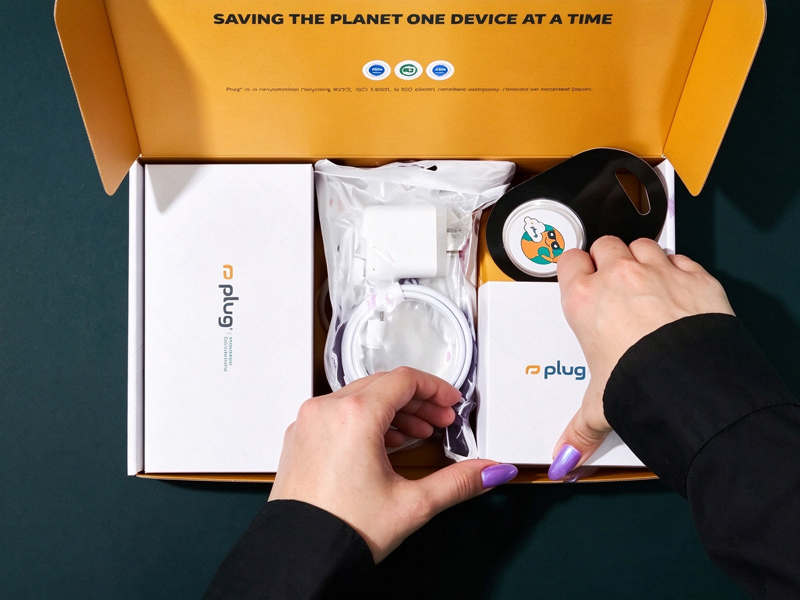
The certification pipeline is the product. Every device passes a multi-point inspection covering battery health, screen integrity, cameras, ports, and connectivity; the company holds R2v3 certification, the global standard for responsible electronics recycling, which means its downstream handling of e-waste is audited rather than asserted. The environmental framing is real arithmetic — every refurbished sale is a new manufacture deferred — and Plug's newest expansion, a partnership with Boost Mobile bundling a free first month of service with eligible devices, moves the store from hardware into connectivity, the same play the big carriers run but at refurb prices.
The Warranty Stack
The ownership layer is where refurb stores live or die, and Plug stacks it deep: a twelve-month Plug Warranty covering the logic board, battery, display, and the rest of the device; a thirty-day money-back window; free two-to-three-day shipping on orders over fifty dollars; and a trade-in program that feeds the supply loop. The independent verdict is overwhelming — a 4.8 Trustpilot average across nearly ten thousand reviews, with a visible cadence of named support interactions, warranty claims honored, and replacement devices shipped in days. Families appear constantly in the review sample: multiple phones for multiple teenagers, gifts that arrived as described, repeat buyers returning for the fourth device.
The Fine Print Ledger
Here is the ledger the homepage banners do not lead with. Returns carry a 10 percent restocking fee — the policy says it keeps prices low, and it is disclosed, but a $500 return forfeits fifty dollars. The thirty-day policy covers devices only; added accessories, bundles, and premium shipping are explicitly non-refundable. Items must come back in the condition received, which for a phone means the condition received — an activated, set-up device can cross a line the grader will notice. And the seasonal holiday extension (orders between late October and mid-December returnable through January 15, 2027) is generous precisely because the standard window is tight. None of this is unusual for refurbished electronics; all of it belongs in the decision.
The Honest Ledger
The unprompted complaints cluster in three places. Cosmetics: devices arriving with scratches deeper than the grade implied — the eternal refurb problem, where "Good" lives in the eye of the beholder. Batteries: the occasional unit whose charge evaporates in minutes, which the warranty covers but the inconvenience bruises. And support: automated first responses and unanswered emails during volume spikes, the same growing pains every viral storefront hits when its TikTok goes bigger than its helpdesk. The mystery boxes deserve their own sentence — a genuine gamble wrapped in entertainment, where the floor is a working device and the ceiling is a flagship, but buyers who hate variance should buy the specific phone instead.
Who Buys Refurbished, and Why
Plug's customer base writes its own case studies: parents outfitting teenagers for under two hundred dollars, students choosing between a refurb iPhone 13 and a new budget Android, eco-conscious buyers treating the purchase as a small act of manufacturing abstinence. Klarna splits the payments, the app holds the flash deals, and the trade-in program turns yesterday's phone into tomorrow's discount. The store has made the refurb purchase feel not like a compromise but like a smart-money identity — arguably its most valuable invention.
Plugged In
Plug Tech is what happens when a St. Louis refurbishing operation learns to speak TikTok without forgetting what the Wirecutter values: certified devices at half price, a warranty stack that respects the buyer, and an honesty about fine print that the viral growth makes easy to skip. Buy the specific device you want, not the mystery box; read the grade description twice and the restocking-fee clause once; register the warranty the day it arrives. For a first phone, a family fleet, or a conscience-clean flagship, this is the refurb store that made the category mainstream.