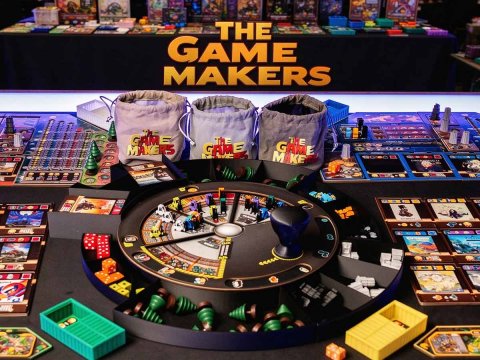
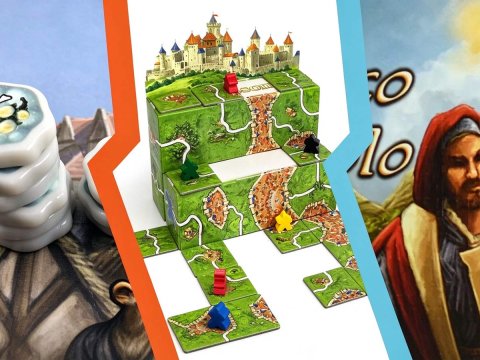
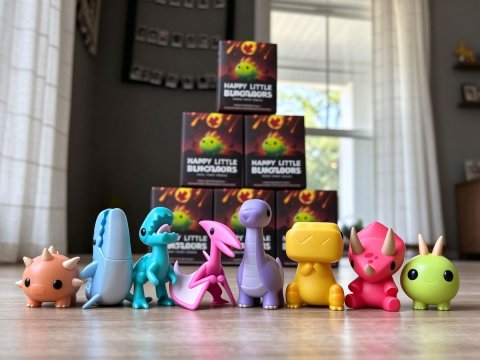
On pandasaurus's shelf: designer-signed boxes, review counts into three digits, one million minds
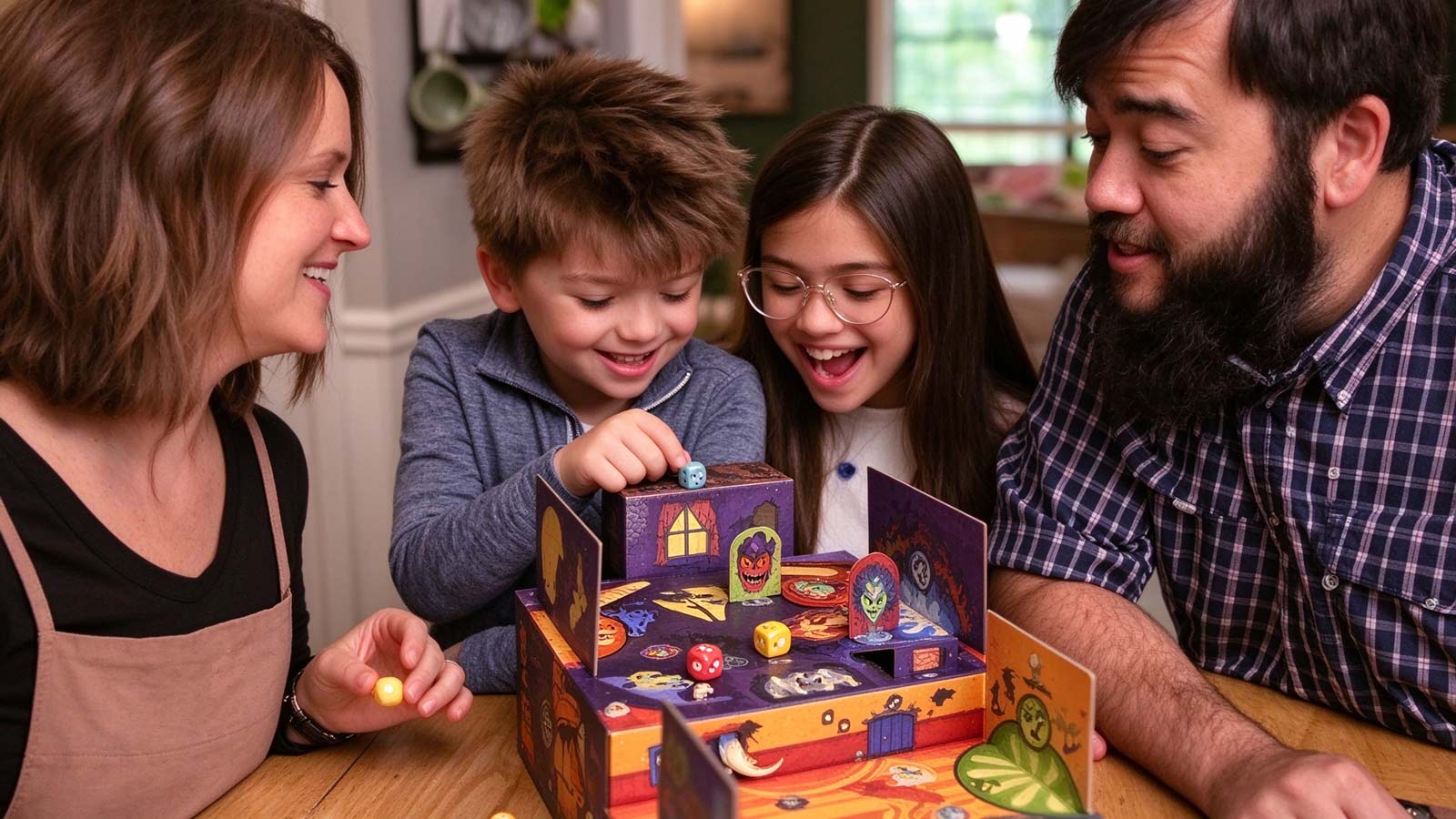
Official homepage:https://pandasaurusgames.com
Board-game stores usually sell you a box. Pandasaurus sells you a byline — and every dimension of its Shopify shop, from the signatures to the sold-outs, serves that authorship-and-arithmetic thesis. I browsed it with a table that seats four and an admiration for honesty in numbers. Here is the shelf, dimension by dimension.
Bylines on Every Spine
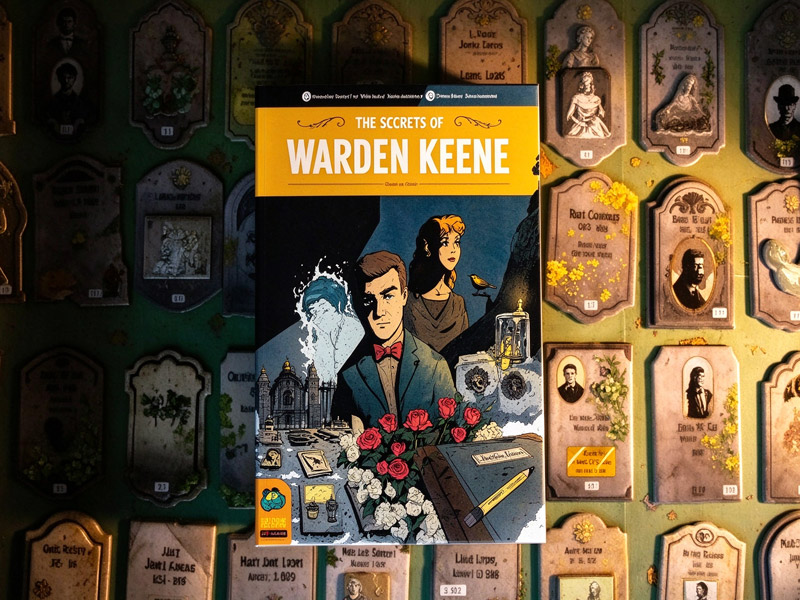
The box art carries signatures the way book covers do. The Mind answers to Wolfgang Warsch; The Game to Steffen Benndorf; Machi Koro to Masao Suganuma; Bohnanza to Uwe Rosenberg; six nimmt's Baron D'XX to Wolfgang Kramer and Michael Kiesling with Franz Vohwinkel's illustrations; Faraway to Johannes Goupy and Corentin Lebrat; Knarr to Thomas Dupont and Antoine Carron; Kingdom Crossing to Marco Canetta and Stefania Niccolini. The store treats authorship as a merchandising axis, letting a browser follow a designer across the catalog the way a reader follows a novelist across a list.
Review Counts Without Makeup
Each product card states its verdict in a plain number: The Mind carries 225 total reviews, The Game 222, Machi Koro 2 thirty-one, Knarr sixteen, Kingdom Crossing twelve, Sandcastles seven, and the new Greylune three. No curated five-star wall, no rounded superlatives — a box with three reviews sits beside one with two hundred and twenty-five, and the store lets the range speak. A low count reads as newness, not failure, in a catalog that clearly refreshes.
A Million Games of Silence
The Mind's box wears its own badge: more than one million games sold, above a tagline about becoming one. The bestseller is the strangest thing on the shelf — a game about playing numbered cards in silence — and the store lets that irony stand as the brand's quiet flex.
Sold Out, Stated Plainly
Two boxes carry the two words most stores bury: Castle Combo and the Machi Koro Fifth Anniversary Edition both read Out of stock, plainly, on the shelf beside their cousins. The store declines to hide the gaps, converting scarcity from a frustration into evidence that the shelf turns over.
An Art Department With Opinions
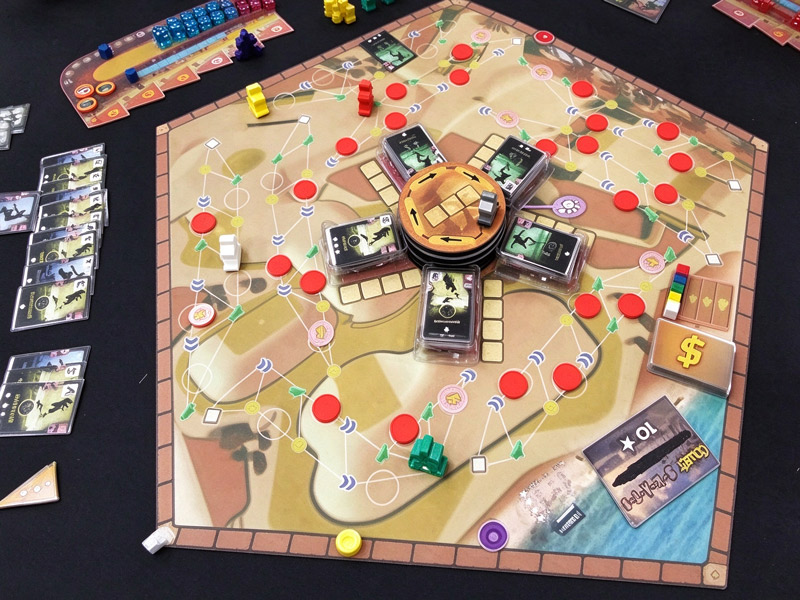
The range of illustration across the catalog is a statement in itself: a levitating black rabbit in cosmic gold for The Mind; botanical collage for The Game; a watercolor map with a mushroom tower for Faraway; Japanese city-pop skylines and kanji street names for the Machi Koro family; fur-clad seafarers in icy blues for Knarr and Greylune; embroidered hoop art for Fadenfroh; a grinning chili-pepper pirate for Bohnanza. No house style flattens the list — each game arrives in the art its world demanded, and the shelf reads like a gallery that happens to be playable.
The Honest Draw
A shelf this art-forward asks the buyer to judge books by covers, which sometimes misleads; the niche register of the designer games — silent card play, bean trading, city dice — assumes a table willing to learn something new. The store concedes none of this loudly; the counts and the bylines keep the argument honest.
The Final Move
Dimension by dimension, Pandasaurus runs on authorship and arithmetic: bylines on every spine, review counts printed into three digits or left honestly at three, a million-selling box that plays in silence, sold-out labels worn without apology, and an art range that refuses a house style. If your game night wants designers you can follow and numbers you can verify, this shelf reads like a bibliography you can play. If your table wants one reliable box and no new rules, the list here is a syllabus — and it expects you to keep up.