Nothing's see-through store: transparent machines, cmf understudies, glyph glows, pink campaigns, ambassador v
Official homepage: https://nothing.tech
Phone stores usually hide the machine behind lifestyle photography — a silhouette on a beach, a screen glowing in a café. Nothing does the opposite: the storefront's founding aesthetic is transparency, circuitry and screws and LED strips left visible under clear backs, as if the phone arrived at the counter without its clothes and preferred it that way. I browsed with a drawer of black slabs and a nostalgia for the days when electronics showed their wiring. Here is the counter, decision by decision.
Door Policy: Honesty as Industrial Design
The entire catalog shares one material language — exposed internals, visible screw heads, LED matrices where branding usually sits — presented not as a gimmick but as a philosophy: technology you can actually see. Making transparency the door policy targets the customer tired of sealed aluminum sameness; the phone on the table announces its difference before it is turned on, and the back panel starts the conversation no spec sheet could. The aesthetic does the segmenting — the buyer who finds exposed circuits ugly has been saved both sides a return.
Two Brands, One Ladder
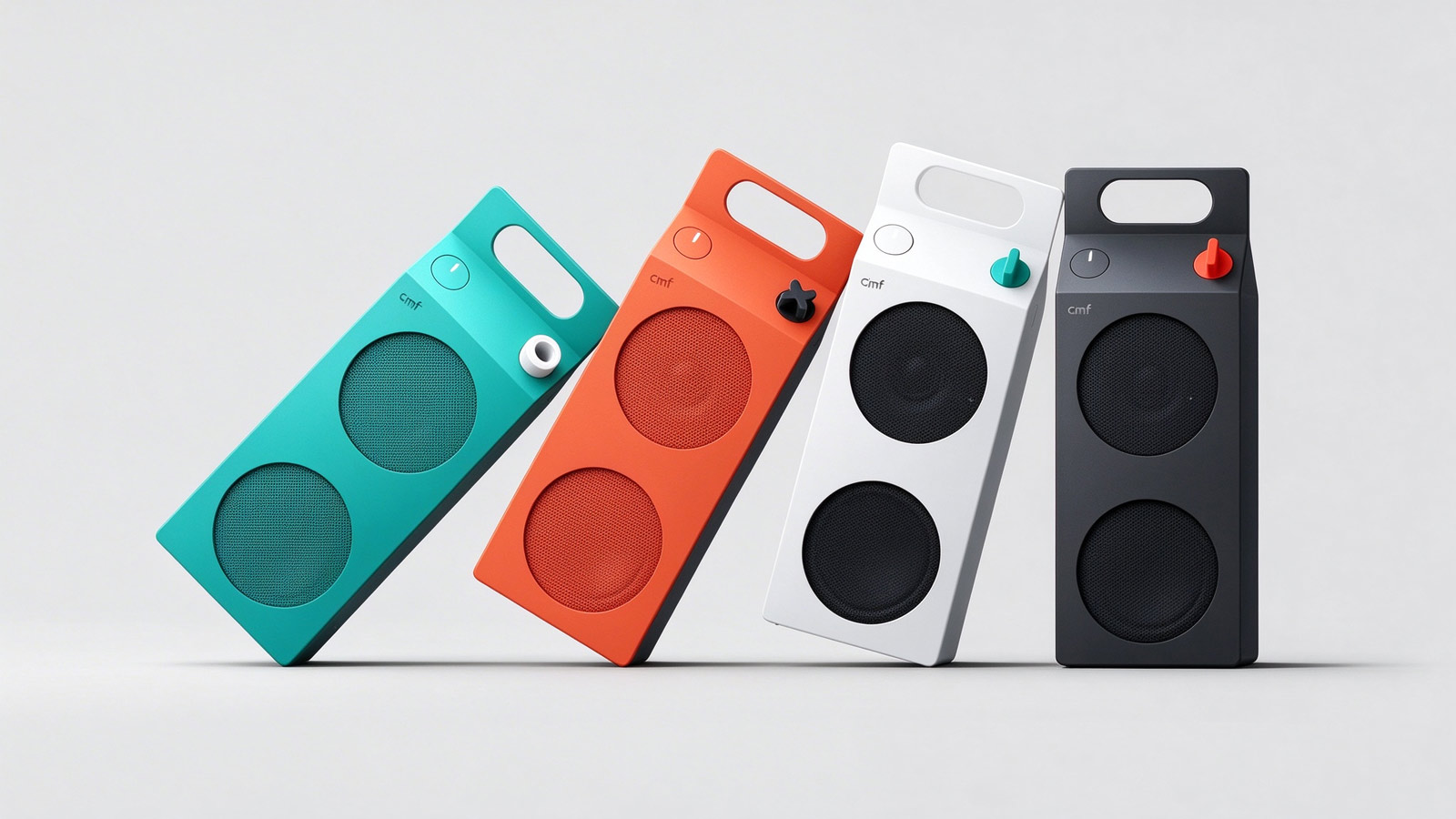
The storefront runs a dual-brand architecture — the flagship line above, the CMF sub-brand below, sharing the design DNA at a gentler price. Housing the entry brand under a separate name protects the flagship's design premium while keeping the whole house affordable: the enthusiast buys the transparent flagship, the pragmatist buys the simpler sibling, and both recognize the family resemblance, which means the ladder is climbed from the inside rather than abandoned for a rival. The sub-brand is the staircase, not the exit.
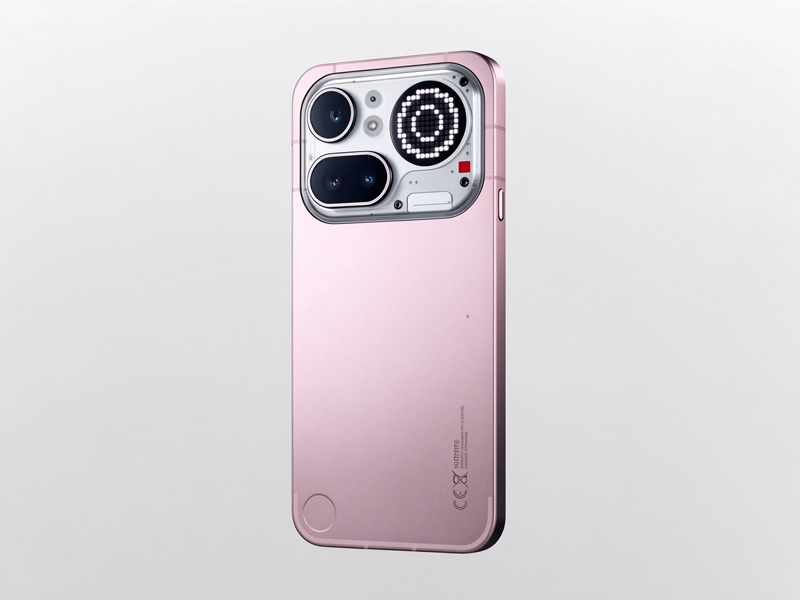
Glyph, the Light That Talks
The flagship's signature hardware is a matrix of lights on the rear panel — a glyph interface flashing patterns for calls, charges, and notifications, turning a phone face-down into a status display. Shipping a light show as a functional feature inverts the screen: the user reads the back of the device instead of the front, glancing becomes glancing-away, and the pattern library turns owners into connoisseurs of their own notifications. It is the rare feature that photographs as well as it works, and the photos are the marketing.
Campaigns With Casting Directors
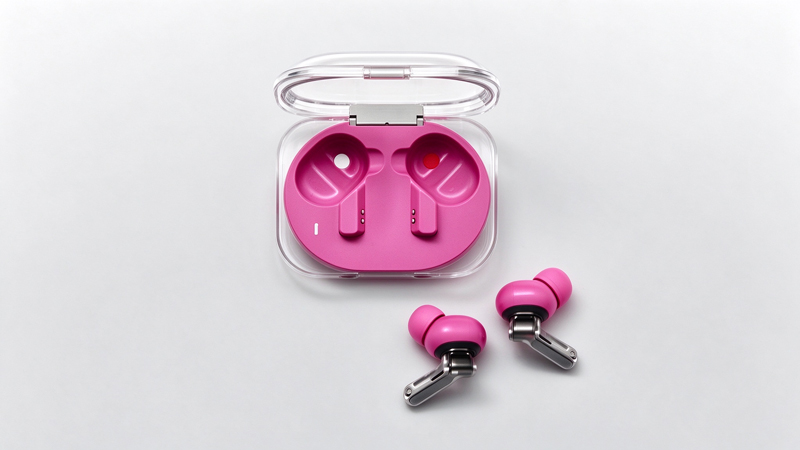
When I browsed, the homepage had a blockbuster's staging — a global ambassador, a behind-the-scenes film of the campaign shoot, and a color push asking visitors, in the campaign's own words, whether they might like a little pink. Treating product launches like film productions borrows entertainment-industry grammar: the ambassador lends the hardware charisma, the making-of doubles as product photography, and the pink edition gives the design language a seasonal costume. The store behaves like a studio that also ships boxes.
The Five Reasons to Buy Direct
Beneath the showmanship sits a practical argument the store enumerates itself — free delivery, thirty-day returns, flexible payments, price matching, warranty included — five clauses printed where a competitor would print adjectives. Publishing the direct-purchase case as a checklist addresses the comparison shopper: the store knows she can find the same phone elsewhere, so it itemizes what only the direct counter offers and turns checkout into the final pitch. The checklist is the store's answer to every marketplace.
Software as the Quiet Warranty
The longer promise hides in the specifications rather than the storefront — a commitment to years of operating system updates and security patches, stated plainly in the product details. Selling longevity as a spec targets the buyer burned by abandoned handsets: the transparent hardware was designed to be seen, and the update policy is designed to keep it current long after the novelty of the lights wears off. That is the transparency that actually matters — not the screws, but the years.