Niche, on the rise: the queue-forming grinder that coffee forums made famous
Official homepage: https://www.nichecoffee.co.uk
Kitchen-appliance stores usually chase shelf space. Niche Coffee spent its first years chasing something rarer: a reputation so strong that customers joined waiting lists for machines they could not test-drive in any shop. The British company, founded by engineer Martin Nicholson after a 2014 realization that home grinders were too big, too loud, and — the cardinal sin — retaining too much stale ground coffee between sessions, spent four years and more than thirty prototypes on one answer: a single-dose grinder with near-zero retention, quiet enough for a 6 a.m. kitchen, and a workflow so simple it fit on one dial. An Indiegogo campaign funded the first manufacturing run, and the Niche Zero became the coffee internet's favorite cult object — with resale prices on the secondary market occasionally exceeding retail while official queues stretched to months. A decade later the queues are gone — the store now promises shipment within seven days — but the devotion has not moved. I went through the retention physics, the two-model strategy, and the honest complaint file. Here is the store across its dimensions.
Thirty Prototypes and One Indiegogo
The origin story is a textbook engineering obsession. In 2014, Nicholson — whose background combined product design with a passion for precision engineering — audited the domestic grinder market and found commercial machines shrunk down badly: bulky, noisy, and worst of all wasteful, since the grounds left inside the chamber between uses went stale and polluted the next dose. Four years of development and over thirty prototypes produced a machine where the beans drop straight from a fifty-gram hopper into the burrs and straight out into the dosing cup, with almost nothing left behind. The crowdfunding campaign funded the first run, and the coffee community's response turned a niche engineering product into the category's reference point.
The Retention Revolution
The physics deserve explanation because retention was the Zero's entire thesis. Traditional grinders leave a gram or more of previous coffee in the chamber; single-dose purists compensate by purging beans through the machine before every shot — waste, mess, and the stale-coffee problem unsolved. The Zero's straight-through grind path — fifty grams in the hopper, through 63-millimeter conical Mazzer-grade burrs spinning at a slow 330 RPM, out into the cup — delivers the near-zero exchange that reviewers verified and competitors have spent a decade chasing. The result transformed home espresso workflows: switching beans between shots became trivial, and the ritual shrank to weighing, grinding, and brewing.
Two Grinders, Two Philosophies
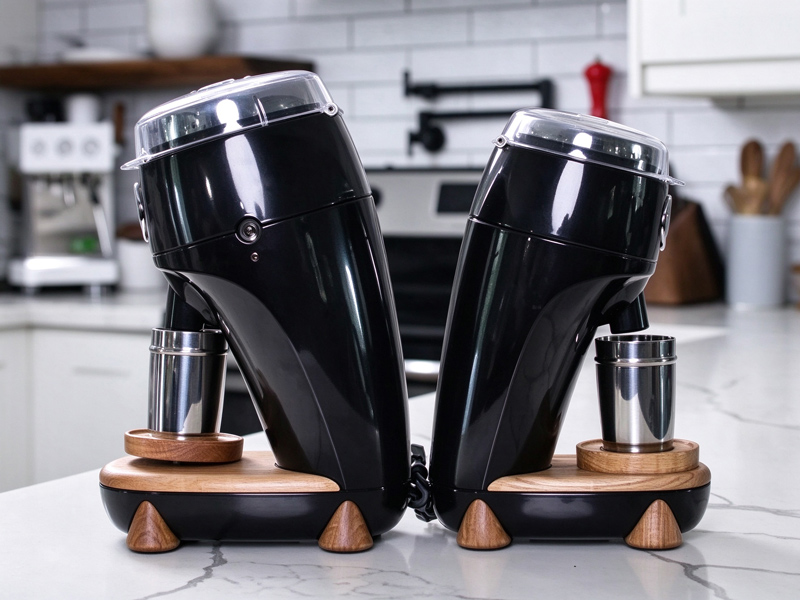
The current catalog is a two-machine strategy. The Niche Zero — five hundred fifty-nine pounds, with 927 storefront reviews — runs the 63-millimeter conical burrs that reviewers associate with classic, syrupy espresso and forgiving filter coffee. The Niche Duo, from six hundred forty-nine pounds, introduced the industry's most elegant answer to the conical-versus-flat debate: an 83-millimeter flat-burr set whose patented quick-swap mechanism lets owners change burrs between brew methods in seconds — flat for clarity in light-roast filter, conical for traditional espresso — without the alignment drift that plagues aftermarket burr swaps. Reviewers who own both describe the pair as covering the entire spectrum; those who own one describe mild envy of the other.
What the Spec Sheet Says
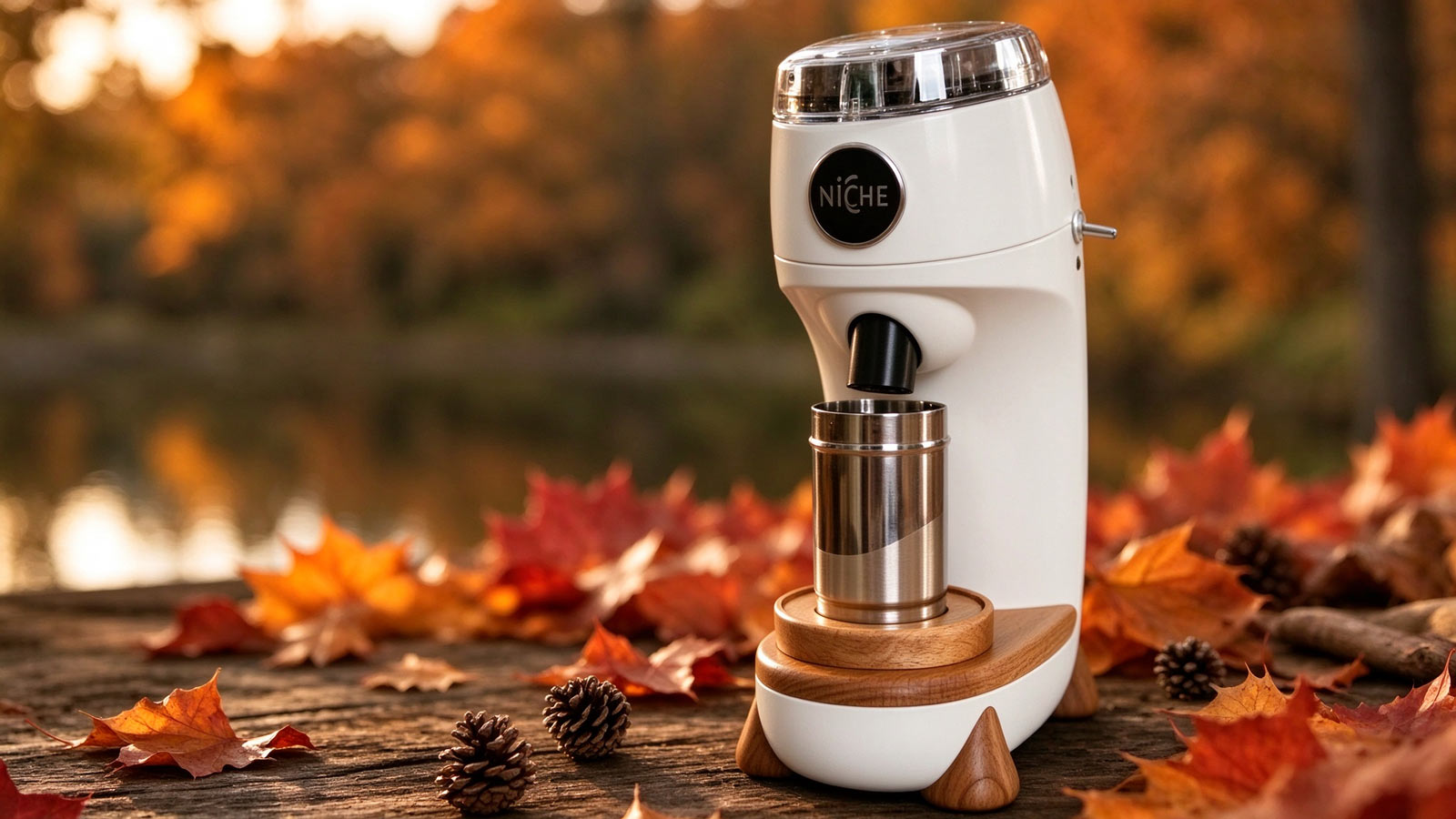
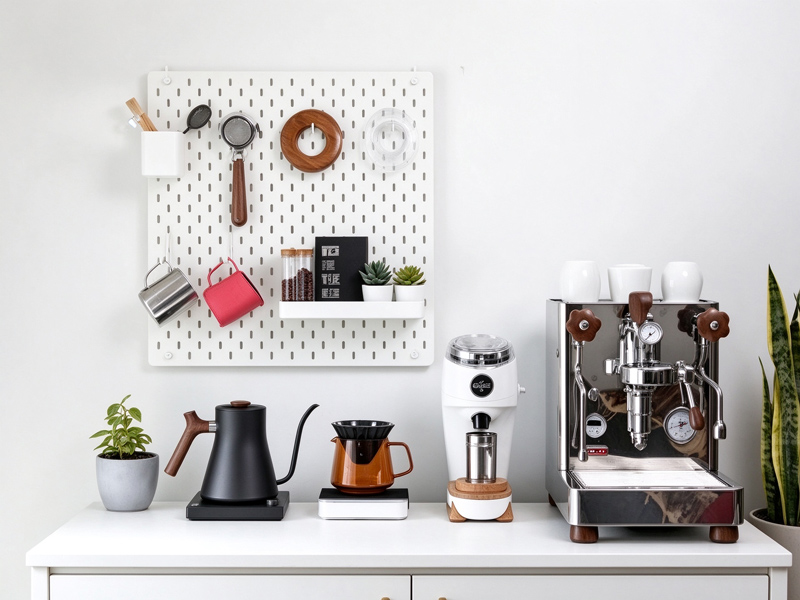
The professional testing consensus, assembled by reviewers who maintain grinder libraries, lands on the same notes: the Zero is compact at 4.1 kilograms, quieter than anything in its class, built around commercial-grade hardened-steel burrs, and stepless across fifty grind markings from espresso to filter. Retention is genuinely minimal in real-world use — most owners report a fraction of a gram — and the workflow earns the recurring description of joyful; one longtime reviewer calls it the grinder he always comes back to because the simple workflow is the one he enjoys most. The motor's low speed keeps heat and noise down, and the machine's silhouette — round white or black body on a wood base — has become a fixture of kitchen-counter photography.
The Queue Is Gone
The operational evolution deserves its own note because the waiting list was once the brand's defining feature. For years, buying a Niche meant joining a queue measured in months, refreshing forum threads for production updates, and watching used units resell at premiums on enthusiast marketplaces. The store now lists shipping within seven days, a turnaround that would have seemed implausible to the early adopters and that signals the company's quiet transition from cottage-industry darling to established manufacturer. The Indiegogo-origin story remains on the site as founding lore; the scarcity era has been retired.
The Honest Ledger
The critique file is short, specific, and mostly fixable. The headline number — zero retention — oversells slightly: unprompted owners report that twenty grams in does not always equal twenty grams out, with shortfalls approaching a gram in some units, which the community solves with an aftermarket silicone bellows that taps the chamber clean; several reviewers suggest Niche should ship one in the box. A plastic washer with a screw on the top can work loose and cause grind inconsistency until noticed. Switching between beans requires recalibration and occasional cleaning to avoid cross-contamination, and the machine benefits from regular recalibration that some owners find frequent. Popcorning — beans bouncing in the hopper before grinding — appears in the minor-adjustments category. The premium pricing and the direct-only model, with no retailer demo units to try before buying, complete the list. None of this has dented the 4.9 Trustpilot average.
Service Beyond the Sale
The support record is where the brand's character shows most clearly. One unprompted reviewer described emailing the company about a six-year-old grinder bought through an Australian dealer who no longer stocked the brand — expecting little, receiving super-quick, polite, genuinely helpful advice from a named staff member across several exchanges. Another wrote that if the machine broke tomorrow he would order a new one instantly. The pattern across years of reviews: named people, fast replies, advice that survives the warranty window. For a company that sells a product meant to last decades, that behavior is the real warranty.
Ground Rules
Niche Coffee is the rare appliance brand whose marketing budget was a waiting list: an engineer's answer to stale grounds, funded by the community that had the problem, built to commercial standards, and supported like a local shop. Buy the Zero if your espresso leans classic and your mornings need quiet; the Duo if you chase light-roast clarity and want both burr philosophies in one footprint; and a bellows either way — the retention promise is ninety percent true, and the fix is five pounds of silicone. The queue is gone; the reputation earned by keeping it is not.