9Barista, off the grid: the jet engine engineer's espresso machine that needs no power
Official homepage: https://9barista.com
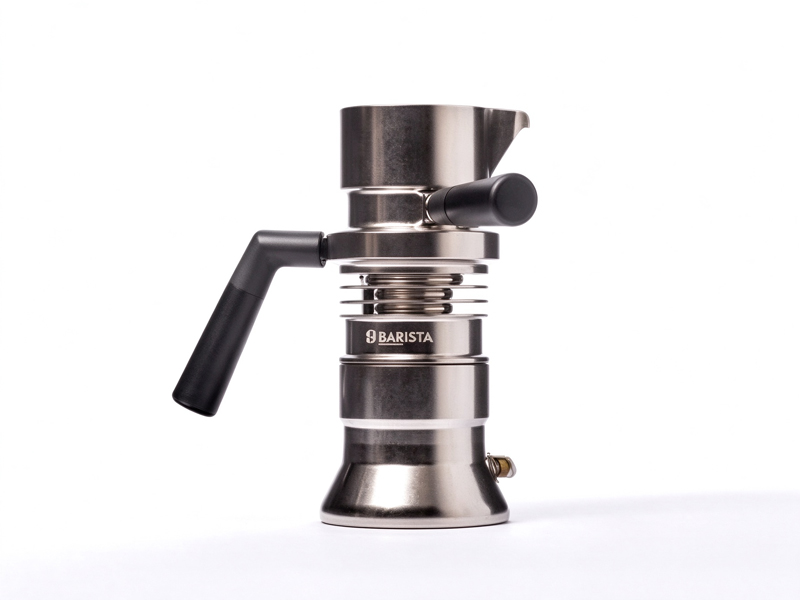
Espresso stores usually sell machines that need your kitchen. 9Barista sells one that needs nothing but flame. The Cambridge, England company makes the only stovetop espresso machine that brews true nine-bar espresso — the pressure professionals use — with zero electronics, zero pumps, and exactly one moving part, which is a spring. Its founder, William Playford, built rocket motors and fully functioning gas turbine engines in his parents' garden shed as a teenager, earned a PhD in jet-engine thermodynamics at Cambridge's Whittle Lab, and then spent his nights analyzing why his beloved stovetop brewers could not make real espresso. Five years of prototypes later, he patented the answer: two saturated-steam boilers at different pressures inside one compact brass body, a Kickstarter at the London Coffee Festival in 2019, and a machine that has since stacked a King's Award for Innovation, a Wired review calling it astoundingly ingenious, and more than twenty million espressos pulled on camp stoves, boat galleys, and ordinary gas hobs worldwide. I went through the thermodynamics, the workflow, and the ownership contract. Here is the store across its dimensions.
A Garden Shed Full of Jet Engines
The origin story reads like engineering fan fiction that happens to be true. Playford's teenage shed produced working gas turbines; his doctorate taught him saturated-steam thermodynamics; and his frustration — that moka pots approximate espresso but never reach its nine bars of pressure or its stable temperature — became the design brief. The patented solution uses one boiler sitting directly on the flame, heated past 175 degrees Celsius to generate nine bars of pressure, which pops a valve and pushes the water through a heat exchanger coil inside a second boiler, where it cools to espresso's ideal 90-to-95 degrees before meeting the coffee. Two boilers, one spring, no electronics — and the physics, unusually for a kitchen gadget, is genuinely aerospace-grade.
Two Boilers, One Spring
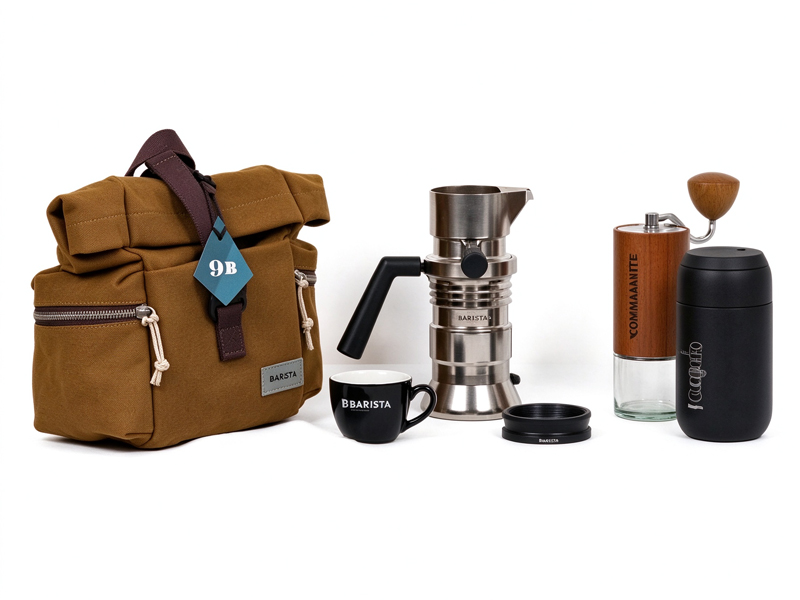
The construction matches the physics. Every machine is die-cast and machined from solid brass, electroless-nickel plated for acid resistance and thermal uniformity, with a stainless-steel basket and heat-exchanger coil, silicone seals, and no aluminium anywhere in the build. Each unit is assembled and individually inspected more than one hundred fifty times at the Cambridge lab before shipping. The specs read like a commercial machine's: a 53-millimeter basket taking 15 to 20 grams of coffee, 110 to 120 milliliters of water, 40 grams of espresso output — a proper double — at eight to ten bars, brewed in three to six minutes from cold on gas, electric, halogen, induction with an adapter plate, an Aga, or a camping stove. The manual sets eight minutes as the maximum time on heat, and the failure mode for over-fine grinds is a safety valve, not an explosion.
The Reviewers' Verdicts
The press record is exceptional, with one famous caveat. Wired called it one of the most ingenious gadgets it had ever reviewed. Bon Appétit brewed it side by side with a Lelit MaraX, the top machine in its sister site's testing, and found the shots sharper but still layered with fruity and chocolate notes, crowned by a thick almond crema. The Drive's hands-on scored it 8.5 out of 10 — a ten for quality, a nine for durability — and, using the same coffee and the same grinder, produced shots nearly identical to a five-figure Modbar espresso system, then noted it beat a De'Longhi twice its price. James Hoffmann, the most influential coffee reviewer alive, praised the engineering and questioned the value: at $385 in his review era, a Gaggia Classic sat just above with milk steaming and back-to-back shots. That comparison — art object versus utility machine — is the brand's eternal cross-examination, and the honest answer is that the 9Barista is for people who want the ritual, the portability, and the physics, not the throughput.
Coffee, Anywhere
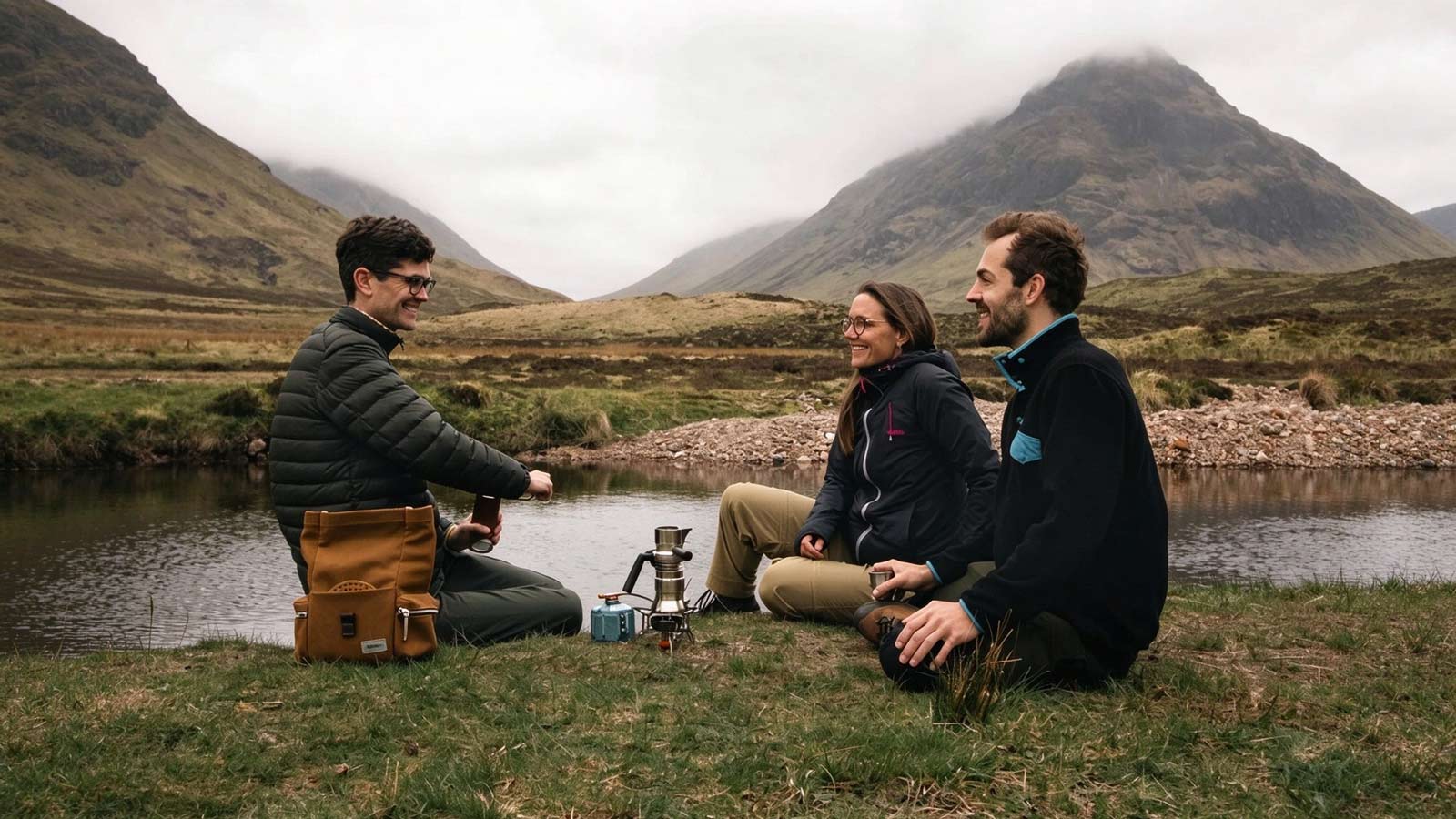
The portability claim is real but qualified. The machine weighs 1.86 kilograms — the heaviest portable in one eight-machine camping test, and honest reviewers note that backpacking is out of the question — yet it is the only machine in that test that produced café-grade espresso from a camping gas stove. The downtown-magazine testers concluded it belongs in camper vans and at campsites rather than on ultralight treks, praised the ingenious brewing system and durable materials, and flagged the high weight as the one real flop. Between shots the machine needs a cool-down or cold water before it can be safely opened, making it a single-user ritual rather than a dinner-party machine. On the recognition side, the company's trophy shelf includes the King's Award for Enterprise Innovation in 2024 and a highly commended innovation award from the 2022 London Coffee Festival.
The Ownership Contract
The policy stack rewards the buy-it-for-life positioning. The current Mk.2 carries an extended five-year warranty on parts and labor; the earlier Mk.1 carries two; refurbished machines carry one. Consumables are defined sensibly — o-rings and the safety ring, one spare of each included in the box — and a complete spare-parts catalog is sold on the store, so post-warranty repairs are a parts-order away. Returns run thirty days, unusually generous in one respect: the machine may have been used, provided it is undamaged and returned in original packaging, with refunds minus return postage. Custom engravings and some pre-orders are final sale, and the warranty is non-transferable and authorized-channel-only — buy it from the brand or its listed partners.
The Learning Curve and the Burns
The honest workflow ledger. Every stove is different, and the first few shots are calibration — the manual's guidance and the community's advice converge on one rule: if nothing flows, grind coarser rather than adding fire. There is no temperature adjustment, so very light roasts will taste sharp no matter the technique, a limitation the brand acknowledges implicitly by positioning darker espresso roasts. Bon Appétit's tester pried stuck pucks out with a butter knife and earned a blistered thumb trying to depressurize too soon, even wearing an oven glove — the metal holds heat with conviction. And the eight-minute stove maximum is a real boundary, not a suggestion, because the safety system is designed to vent, not to be tested.
The Service Ledger
The unprompted record is strong with a few instructive exceptions. Owners praise the do-it-yourself repair culture: one bought the overheating replacement kit and restored a machine with clear instructions, another noted five years of daily use with quick spare-parts ordering. The company answered a French buyer's cart bug by adding the unshippable filters to his order free, unasked, and responded publicly to a safety-valve complaint with a troubleshooting article and an invitation to email. The instructive exceptions: a Singaporean buyer whose seal failed early was told the damage was his fault, quoted three pounds for the part and ten for shipping, and concluded the company desperately needs an Asian distributor to hold parts; refurbished units draw occasional early-failure reports; and several owners note the coffee arrives excellent but not piping hot — physics, again. One induction-cooktop owner found his hob would not recognize the adapter plate without a nearby pan, a quirk the support team engaged with constructively.
The Unplugged Cup
9Barista is the rare kitchen appliance whose origin story is the product: a jet-engine thermodynamics PhD, five years in a garden shed, two boilers and a spring, and the only machine on earth that pulls genuine nine-bar espresso from a camping stove. You pay five hundred dollars for a single-shot ritual with a cool-down between cups, no milk steaming, and a learning curve measured in blisters — and you receive the most ingenious coffee device the professional reviewers have tested in years, a five-year warranty, and spare parts forever. Buy the Mk.2 for the lifetime build, the adapter plate if your kitchen is induction, and a burr grinder either way; accept that the Gaggia Classic makes more practical sense, then buy this anyway if the shed-built story moves you. The best machines, like the best espresso, reward the patient.