Muse, for the rest of us: the neuroscientist's headband that finally made meditation measurable
Official homepage: https://choosemuse.com
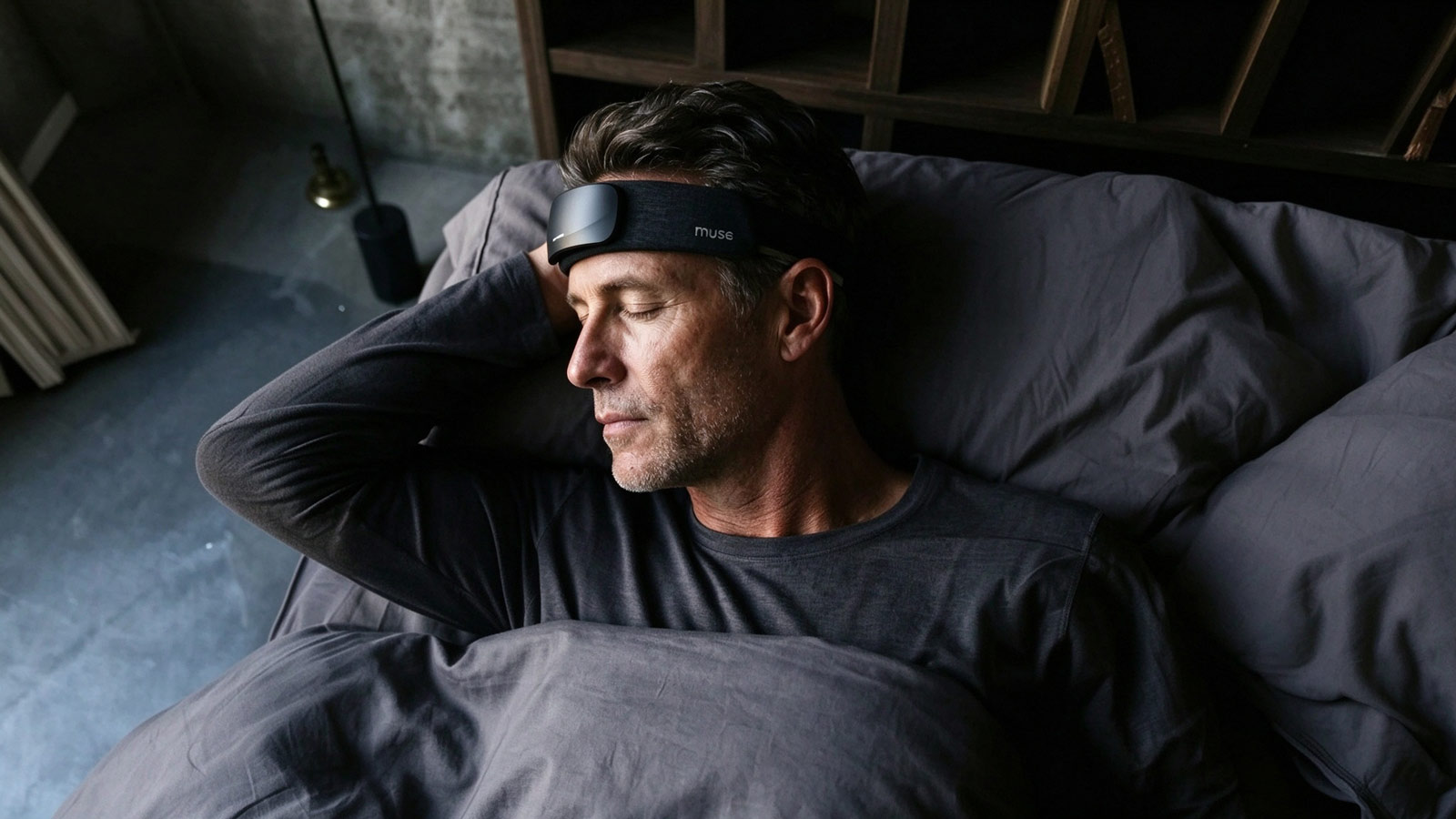
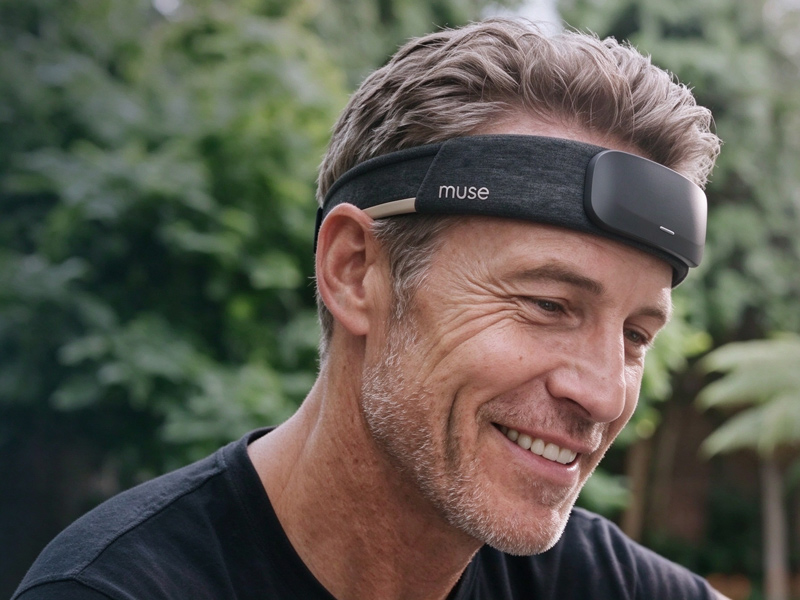
Meditation stores usually sell silence. Muse sells the argument that silence was never the problem — the problem was that nobody could tell you whether it was working. The Toronto company's brain-sensing headband straps a clinical-grade EEG reader to your forehead, converts your mental state into weather — calm brings birdsong, a wandering mind brings wind — and then hands you the charts to prove your practice is improving. Born from a university brain-computer-interface lab and nearly two decades of continuous engineering, Muse has become the research community's favorite consumer neurofeedback tool, with more than two hundred peer-reviewed publications, a thousand research labs, and even clinical drug trials running on its sensors. It is also, reviewers consistently note, a device that demands patience every single morning before it agrees to read your mind. I went through the fireworks, the physics, and the fiddling. Here is the store across its dimensions.
From Mind-Controlled Fireworks to a Consumer Headband
The origin predates the product by years. The founding team built brain-controlled light and music installations — including Bright Ideas at the 2010 Vancouver Olympics, where visitors across the country used their brainwaves to control the lights of the CN Tower, Niagara Falls, and the Parliament buildings. The company formalized in Toronto, raised tens of millions of venture dollars, and shipped the first consumer headband in 2014 — no gel electrodes, just conductive rubber and ink translating raw brainwaves into interactive meditation. Three generations later, the line now spans the entry-level Muse 2 and the sleep-focused Muse S Athena.
A Neuroscientist Who Also Opened Toronto Fashion Week
The founder's biography explains the design language. Ariel Garten studied neuroscience at the University of Toronto, researched Parkinson's disease and hippocampal neurogenesis in hospital labs, trained and practiced as a psychotherapist, and simultaneously ran an international fashion line that opened Toronto Fashion Week — a scientist-artist combination that produced what one publication called the beautiful headband that will make you smarter. Her personal history with anxiety and concussion drove the mission: make the invisible activity of meditation legible to the people struggling with it.
Weather for Your Mind, Measured at the Forehead
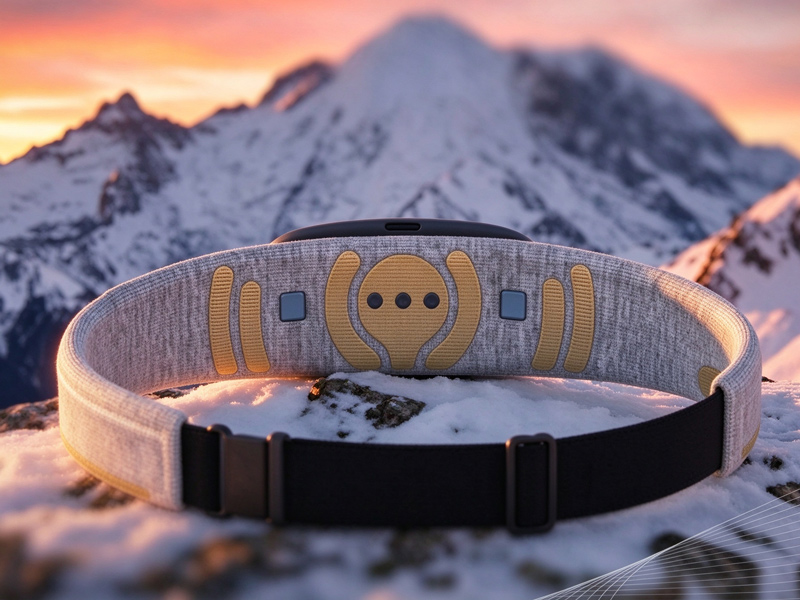
The mechanism is immediate and charming. You settle in with the app, and the sensors — EEG across the forehead and behind the ears, plus heart rate and movement tracking — feed your mental state into a soundscape. Focused attention sounds like calm weather; mind-wandering turns the wind gusty. Afterward, the app renders your session as data: minutes calm, minutes neutral, minutes active, with milestones, journal prompts, and long-term trends. Users consistently describe the same conversion story — finally, a way to know when the mind has drifted, delivered in the seconds it happens rather than in a vague sense that the sit went badly.
Two Hundred Peer-Reviewed Papers Behind One Headband
The credibility stack is the deepest in consumer neurotech. More than two hundred peer-reviewed publications have used Muse data; over a thousand research labs run studies on it; and in 2026, its validated at-home sleep EEG joined a neuroscience platform powering central-nervous-system clinical trials, debuting at the field's major conference. The storefront quantifies its claims carefully — sleep staging at 88-to-96 percent agreement with lab polysomnography, a 2021 study showing 20 percent improvement in sleep quality versus controls — and the athlete-adoption pattern, from Olympic training centers to professional sports teams, reflects the same research gravity. Where competitors sell wellness, Muse sells instrumentation.
Athena Adds Infrared Muscle for the Prefrontal Cortex
The current flagship, the Muse S Athena, layers functional near-infrared spectroscopy and blood-oxygen sensing onto the EEG platform, measuring how hard the prefrontal cortex is working so users can train mental stamina the way athletes train cardio — eyes-open focus sessions, strength scores, and a digital sleeping-pill feature that uses live brainwave feedback to guide the transition into sleep. The catalog prices run from about two hundred fifty dollars for the Muse 2 to five hundred thirty-nine for the Athena with a year of the premium membership included, and independent reviewers note a welcome difference from subscription-heavy rivals: the core meditation and basic sleep tracking work fully without paying anything recurring.
Free Core App with an Optional Premium Layer
The business model deserves credit in a category that increasingly rents its own hardware. The premium tier — roughly forty-five dollars a year — unlocks the smart alarm, an artificial-intelligence coach, brain-age scoring, and advanced sleep tools, and one year arrives free with every Athena. But the storefront never locks the door: guided meditation, session feedback, and basic sleep tracking remain free, and the company publicly honors goodwill gestures — one Trustpilot reviewer who missed his cancellation deadline had it processed anyway, writing that he would buy again if meditation were his thing. That combination, generous core and gracious edge-case handling, keeps the brand's rating at four stars.
Sensors That Demand Thirty Seconds of Patient Fiddling
The honest ledger concentrates on fitment. Multiple unprompted owners report the Athena's side sensors taking a long time to acquire, requiring several trials before a clean signal appears, and the right-left contacts being hard to adjust — one veteran user of seven years offered granular suggestions including smoother audio transitions, visible battery percentage, and editable journal entries. Occasional Bluetooth drops appear in the record, battery life draws occasional complaints, and the onboarding flow leaves new users briefly unsure which content to use for which goal. None of it hides the device's competence; all of it adds a daily thirty-second ritual between waking up and meditating.
Buy It for the Data, Forgive It the Fiddling
Muse is the neurofeedback store done with scientific manners: a founder whose neuroscience and fashion careers met in the product, an Olympic fireworks provenance, two hundred papers of third-party validation, and a free core app in a subscription-saturated market — balanced against sensors that demand patient adjustment, occasional connectivity grumbles, and a refund policy page that, as of this writing, still contains the placeholder where its return address should be. Buy the Muse 2 if you want to learn whether meditation works for you, the Athena if sleep is the battlefield and you want the deepest tracking on the market, and the premium membership only after the free tier proves the habit. Then forgive the headband its morning calibration, and enjoy the rare luxury of watching your own mind on a graph.