Mous, first person: the london engineers who dropped phones for a living
Official homepage: https://www.mous.co
Phone-accessory stores usually promise protection. Mous proves it by throwing hardware off things. The London company — founded in 2014 by engineers James Griffith and Josh Shires around a frustration so specific it became a product thesis: slim cases were too flimsy, protective cases too bulky, and nobody would make one without compromise — built its reputation on stunt tests that read like action-movie stunts: phones in Mous cases dropped from helicopters, tossed off rooftops, and hurled from a two-hundred-and-fifty-meter dam in Switzerland. Between the spectacles sits a quietly serious engineering operation that has raised $2.5 million in pre-orders, won the Sunday Times' attention and Richard Branson's unsolicited praise, and built a multi-regional Shopify empire spanning cases, chargers, mounts, luggage, and even hinge-protecting covers for foldables. I went through the drop-test doctrine, the warranty fine print, and the price of entry. Here is the store across its dimensions.
Two Engineers and a Broken Screen
The origin is a materials problem. Griffith and Shires set out to engineer a case that absorbed impact without the armored bulk, and their first self-developed answer — AiroShock, a compressible material that lines the most protective cases and functions like tiny airbags for the phone — remains the technical spine of the brand. The founding team immersed itself in manufacturing by relocating to China during the early production years before returning to set up the London headquarters, a supply-chain fluency that shows in the finish quality reviewers consistently note. The company now runs over sixty staff and claims more than five million pounds in research and development spend.
$2.5 Million in Pre-Orders
The crowdfunding chapter made the brand. In 2017, Mous raised over $2.5 million from more than fifty thousand backers — at the time the largest phone-case crowdfunding campaign ever run — and the haul came with awards: Crowdfunded Business of the Year, a top-ten ranking among Europe's most successful crowdfunded companies, a Sunday Times Fast Track 100 Ones to Watch listing, and a public compliment from Sir Richard Branson calling Mous a great young brand. The pre-order community became the customer base, and the stunt videos became the acquisition engine, a combination most accessory brands never assemble in one company.
Helicopters and Dams
The marketing deserves analysis because it is engineering as theater. The tests are real — phones in current cases dropped from helicopters and off buildings, and the Switzerland dam toss that reviewer roundups still cite — and they do double duty: entertaining content for the feed, and destructive testing for the product team. The stunts convert a spec sheet into a story a buyer can retell, which is why the AiroShock explanation appears in every case review from CNET to PhoneArena. When a competitor wants to claim equivalent protection, they have to answer the helicopter question.
The Limitless Ladder
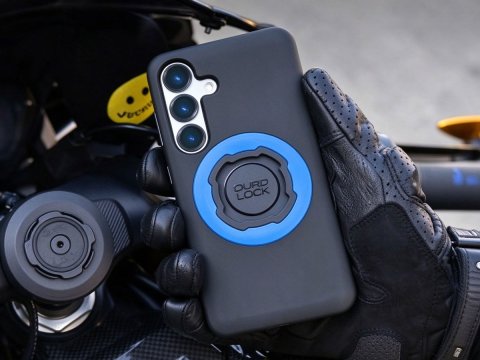
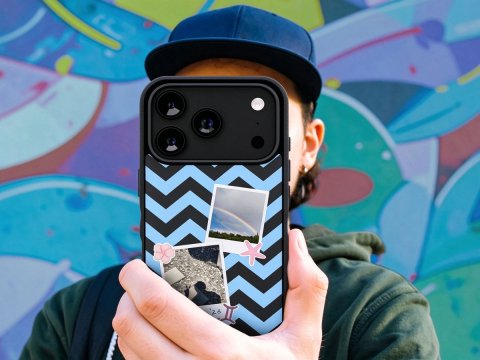
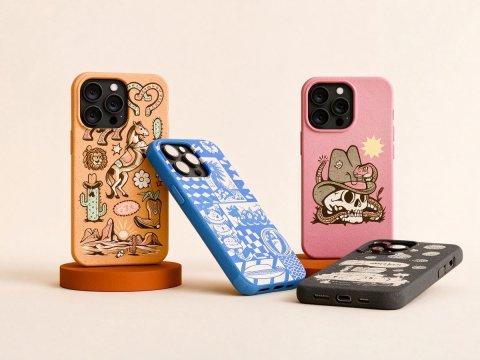
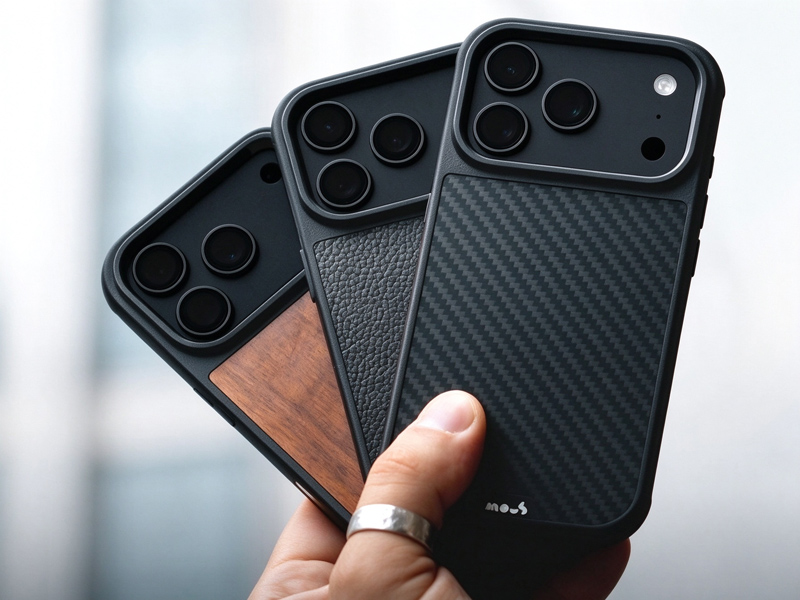
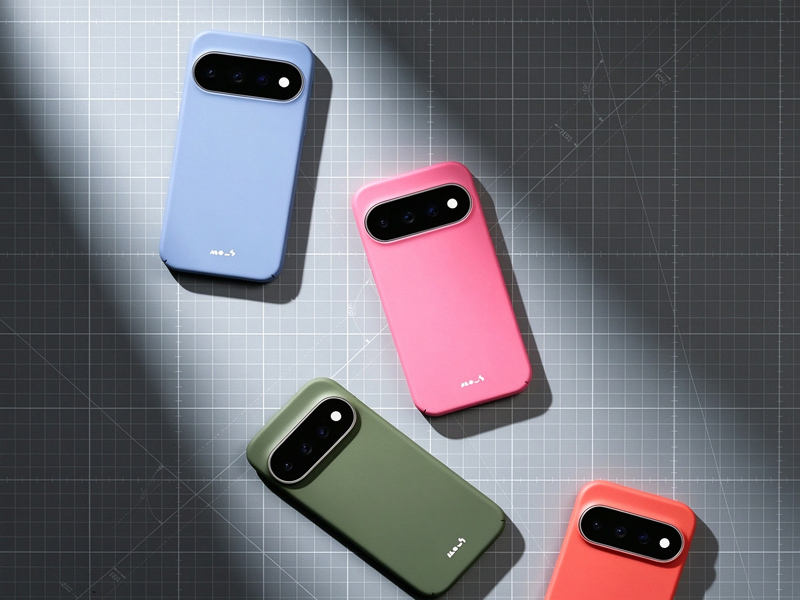
The flagship is the Limitless line, now in its sixth generation and priced between fifty and eighty dollars — the top of every comparison list it enters. The signature is honest materials: real walnut, bamboo, black leather, aramid fiber, and speckled fabric backplates bonded to a polycarbonate frame lined with AiroShock, an N45 magnet array inside for full MagSafe and Qi2 compatibility, rippled grip ribs, and raised edges for camera and screen. The older generations earned cult details — a SIM-card storage slot inside the case beloved by international travelers, quietly retired in later models — while the current range stretches in both directions: Super Thin and Clarity cases for minimalists (anti-yellowing on the clear line) and a hinge-protecting Limitless for the iPhone Duo foldable, with Made-for-Google-certified Pixel cases completing the platform spread. Artist-collaboration prints add a fashion register the engineering brand wears surprisingly well.
A Warranty Worth Reading Twice
The warranty ladder is the fine print that defines ownership. The headline is a limited lifetime warranty — which the policy clarifies means twenty-five years — covering cases, screen protectors, bags, MacBook sleeves, and even hardshell luggage against manufacturing and workmanship defects. Below that tier sit two-year warranties for mounts, wallets, wireless chargers, and watch straps, and one-year coverage for cables and thin cases. The exclusions are the honest part: drops and falls are not covered, daily wear and yellowing of clear cases are not covered, and installation failures are on the buyer — an irony worth stating plainly, given the drop-test marketing, that the company resolves by replacing manufacturing defects promptly and cheerfully in practice, judging by the review record.
The Store Itself
The storefront runs on a Quickfire-built Shopify stack mirrored across regional stores, and the numbers back the polish: more than a hundred thousand reviews on the wall, free shipping past sixty-nine dollars, thirty-day returns, and — per ecommerce trackers — roughly $1.6 million in monthly revenue across nearly three million sessions, with an average order value in the twenty-five-to-fifty-dollar band that says customers buy the case and one accessory, exactly as the merchandising intends. The checkout offers every express-pay option up front, and a referral prompt at purchase captures the word-of-mouth the stunt content generates.
The Honest Ledger
The critique file begins with price: at fifty to eighty dollars, the Limitless is the most expensive case in most comparison roundups, and the MagSafe magnet strength — though compliant — runs weaker than some rivals in hands-on tests. Bulk is the second note: reviewers who expect a slim profile from a protective case will find the Limitless substantial, and the Super Thin line trades the AiroShock protection away. The warranty's one-year tier for thin cases and cables feels arbitrary against the twenty-five-year flagship tier. And the stunt marketing invites the obvious question — if the cases survive helicopters, why does the warranty exclude drops — which the company answers with defect coverage and good grace, but which budget buyers should read as: the protection is real, the promise is narrow.
Case Closed
Mous is the engineering studio that turned drop tests into a brand language: real materials, a twenty-five-year flagship warranty, a crowdfunding record that funded the whole operation, and a store polished enough to deserve the stunt reel it supports. Buy the Limitless if you keep phones for years and drop them occasionally; buy the Super Thin if you trust yourself; read the warranty exclusions before the marketing convinces you the case is indestructible — it is not, but it is very, very good.