Keychron review 2026: is this mechanical keyboard store still worth the hype?
Official homepage: https://www.keychron.com
Computer accessory stores usually sell you a spec sheet. Keychron sells you a gateway — and it knows it. The Hong Kong-based brand, born on Kickstarter in 2017, built its Shopify store around a single observation: people want a mechanical keyboard that works with everything, looks grown-up, and doesn't require a soldering iron and a forum account to enjoy. What started as one wireless keyboard for Mac users who wanted clicky keys became a catalog of dozens of models, switches, keycaps, and desk accessories, shipped from warehouses on multiple continents. I went through the store the way a first-time mechanical keyboard buyer would. Here is what I found, dimension by dimension.
How a Kickstarter Side Project Became a Keyboard Empire
Keychron's origin story is unusually honest for a tech brand. The founders ran a Shenzhen-based product studio and launched the first Keychron K1 on Kickstarter to test whether Mac users would pay for a low-profile mechanical keyboard that actually paired properly with macOS. The campaign blew past its funding goal, and the store that followed kept the same DNA: community-first, transparent about what each generation adds, and comfortable letting customers vote with pre-orders. The brand has since shipped millions of keyboards and built a Discord and Reddit presence that most accessory companies would kill for. On the storefront, that history shows up in practical ways — models are grouped by generation rather than marketing tier, and the buying guides assume you've never touched a mechanical keyboard before.
What the Catalog Actually Covers From Top to Bottom
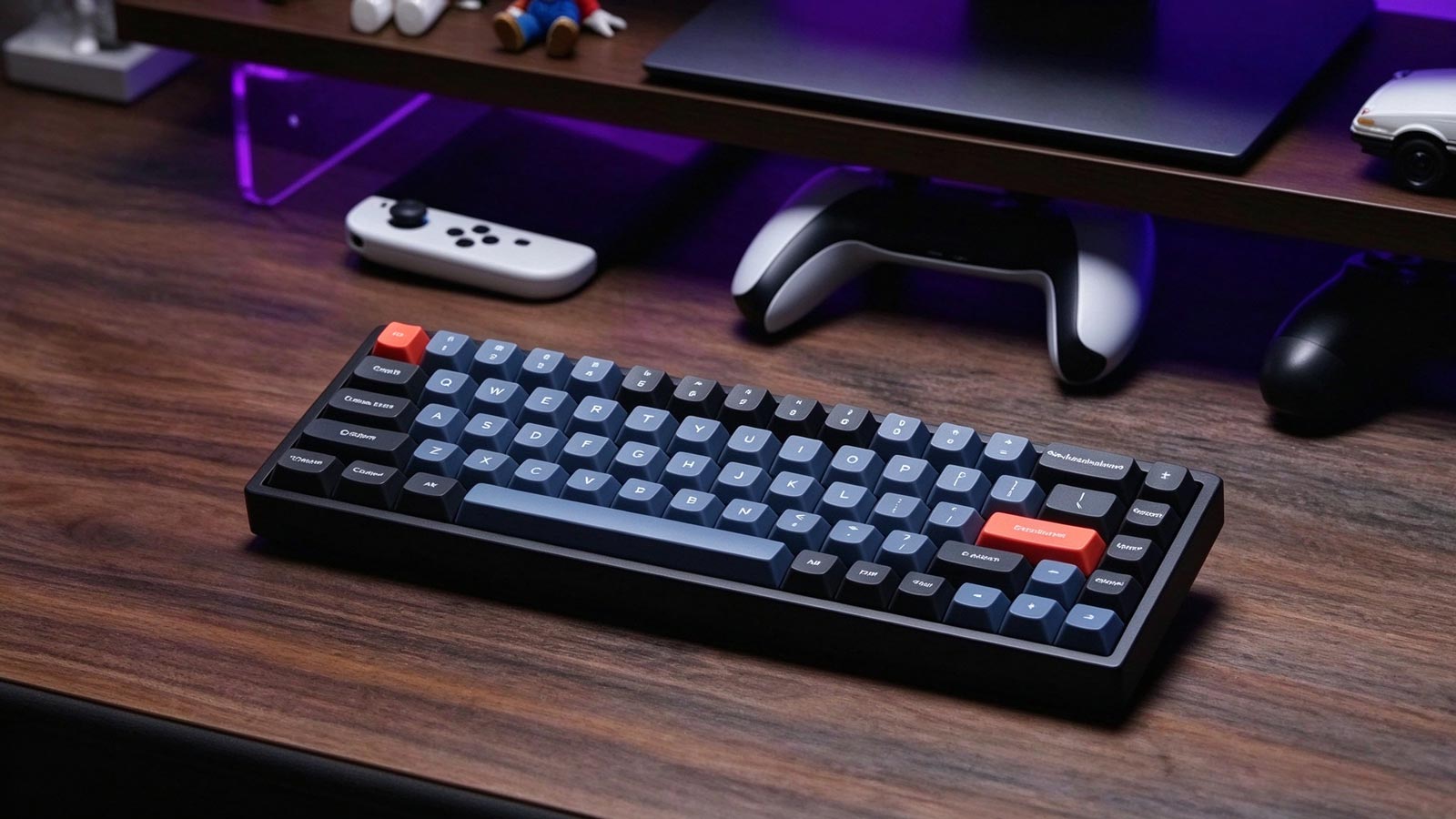
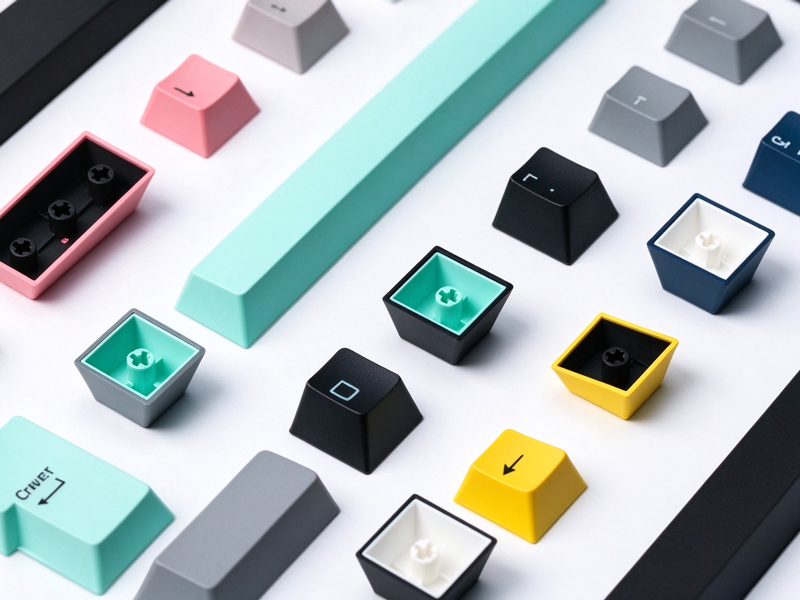
The shelf is organized by ambition rather than price alone. The C series is the entry lane: wired-only, hot-swappable on newer revisions, and cheap enough to be a first keyboard. The K series is the wireless mainstream — low-profile and full-size options, Bluetooth that remembers three devices, and macOS/Windows keycap sets in the box. The V series brings QMK/VIA open-source firmware to budget buyers, and the Q series goes full aluminum with gasket mounts, rotary knobs, and pre-lubed switches. On top of that sit the Max line with 2.4GHz and Bluetooth 5.1, barebone kits for builders, and a switch-and-keycap marketplace. The logic holds together: every rung of the ladder is a real product, not a crippled version of the one above it, which is rarer in this category than it should be.
Browsing the Store as Someone Who Owns Zero Keyboards
This is where Keychron's Shopify build earns its keep. The store leans heavily on comparison tables — side-by-side spec grids for layout, connectivity, and battery — which quietly do most of the decision work for you. Product pages are dense but disciplined: compatibility icons for Windows, macOS, Linux, Android, and iOS sit above the fold, sound-test videos are embedded rather than buried, and every listing spells out which switches are hot-swappable. The friction points are real too. Product naming is a wall of letters — K8 Pro, Q1 Max, V10 Max — and two models that look identical can differ on foam, firmware, or keycap material in ways you only discover by reading the spec accordion. Because new revisions ship frequently, the "which one do I actually get" problem never fully goes away.
What You Pay Here Versus What the Market Charges
The pricing structure is one of the store's quiet strengths. Entry C-series boards start under $50, the mainstream K line sits between $70 and $110, and even the full-aluminum Q series mostly lands between $150 and $220 — undercutting boutique enthusiast brands by hundreds of dollars. Keycap and switch add-ons are priced reasonably, and barebone kits let builders skip paying for switches they planned to replace anyway. There is no forced subscription, no software paywall, and firmware customization through QMK/VIA is free. Where shoppers need to pay attention is shipping: prices on the US storefront reflect a local warehouse, while direct-from-Asia listings occasionally undercut it before duties and slower delivery claw the difference back. The store doesn't always surface the cheaper route itself.
Delivery, Warranty Reality, and Reaching a Human
Keychron operates warehouses in the US, EU, and Asia, and domestic US/EU delivery typically lands within a handful of days. The store's shipping calculator is upfront about cutoff times and pre-order windows, which matters because popular models do sell out between restocks. The warranty is one year against defects, with a support desk that handles firmware questions, keycap replacements, and RMAs via email and a help-center ticket system. Community consensus on the support experience is mixed in an interesting way: hardware defects get resolved without much drama, but the sheer volume of models means firmware answers sometimes take a round trip or two. The store leans on its community infrastructure — Discord, Reddit, YouTube sound tests — to answer questions its ticket queue can't absorb, and for a hobbyist audience that works surprisingly well.
Who Ends Up Happy Shopping Here and Who Doesn't
Keychron is the right store for three people: the Mac or Windows user buying their first mechanical keyboard, the enthusiast who wants a hot-swap aluminum board without a five-month group-buy wait, and the office worker who wants something quiet, wireless, and good-looking. The low-profile K line alone justifies the store's existence for laptop refugees. It is the wrong store for purists chasing custom-grade acoustics out of the box — the stock stabilizers still benefit from a tune-up — and for buyers who want one obviously correct answer. Go in with ten minutes of reading and you leave with one of the best value propositions in computing peripherals. Go in impulsively and you'll join the Reddit thread asking why your new board doesn't sound like the YouTube review.