Inside form's swim shop: display shelves, trial terms, fit details, checkout trust signals
Official homepage:https://www.formswim.com
Swim stores usually merchandise resistance, fog, and fit. FORM’s Shopify shop merchandises attention — the kind a swimmer loses while counting laps, checking the clock, and negotiating with the black line. The storefront feels less like a gadget boutique and more like a pool deck: three clear lanes at the door, a product page that talks like a coach, a subscription boundary drawn in plain language, and a short policy shelf near checkout.
Doorway and Positioning
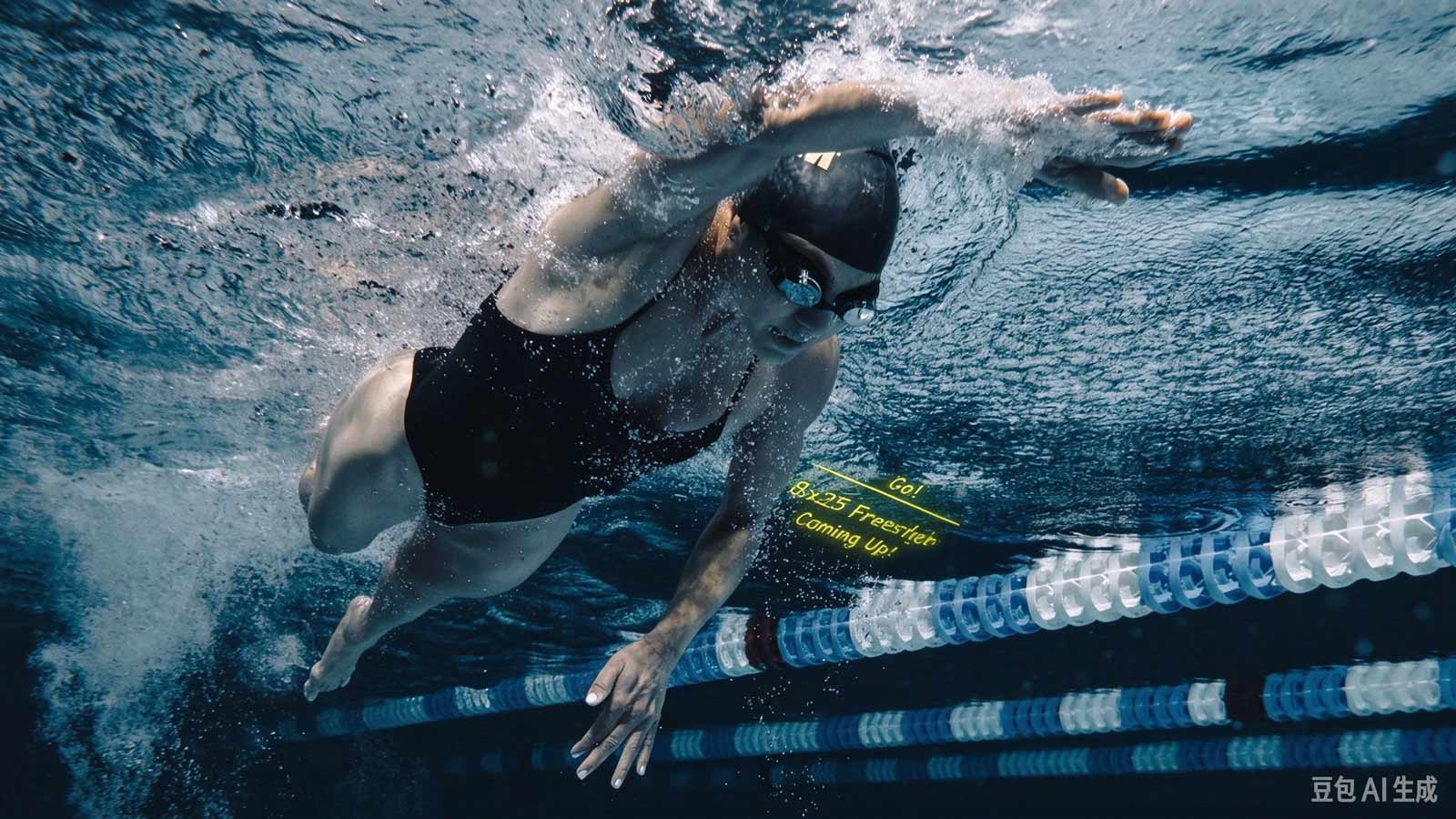
The opening refuses to start with silicon. It starts with the feel of swimming alone: repetitive weeks, quiet water, motivation leaking out between intervals. Then it answers with three almost plain promises — know what to do, stop counting laps, enjoy the swim. That sequence is the real positioning. The hardware is not sold as another screen competing for the face; it is sold as a way to give the face back to the water. In a wearable category crowded by wrist rectangles, FORM argues that swimmers already have a display surface, and it happens to be the lens.
Catalog Architecture
The catalog is narrow in the way confident specialty stores are narrow: Smart Swim 2 LT, Smart Swim 2, and Smart Swim 2 PRO. When I browsed, the front page showed $149, $199, and $259 crossed down to $119, $159, and $199, with compare-goggles navigation beside the buy buttons. The store does not ask shoppers to learn a product line; it asks them to choose a lane. LT is the streamlined feedback model, Smart Swim 2 adds heart-rate monitoring and a stronger fit story, and PRO moves into Gorilla Glass and long-term fog prevention. The ladder is clear, the price gaps are legible, and the compare path keeps the decision from turning into spec-sheet fog.
Product Page as Salesperson
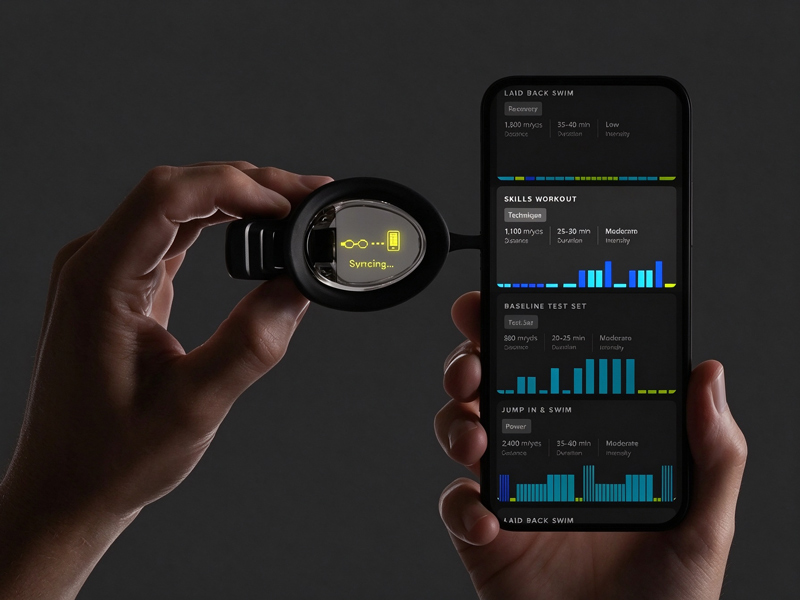
The Smart Swim 2 page behaves like a well-briefed associate: close hardware photography first, short labels second, ownership boundaries third. Augmented reality display, heart-rate sensor and extended strap mount, motion sensors and rechargeable battery, contoured eye seals — the features are introduced as parts of a swim system rather than a bundle of electronics. The strongest trust move is separating “no subscription required” from the one-month Premium trial. Core metrics such as time, distance, pace, stroke rate, stroke count, calories, automatic detection, app sync, and sharing to Strava, TrainingPeaks, TriDot, Apple Health, and Final Surge are framed as parts the buyer keeps. Premium is framed as coaching: HeadCoach technique feedback, 1,500-plus workouts or a custom builder, training plans, and SwimStraight guidance.
Trial Terms Without Fog
The subscription story is handled with unusual plainness. Premium is included for one month, and the page keeps returning to the same line: real-time feedback and post-swim analysis can remain outside the paywall, while structured coaching sits inside it. A trial still asks for payment details, so the store does not pretend the meter is a gift. The useful part is the tone. FORM does not dress the subscription as generosity; it presents it as a lane with a gate. Buy the goggles for the display, keep Premium only if the coaching earns its place in the workout.
Fit, Comfort, and Usability
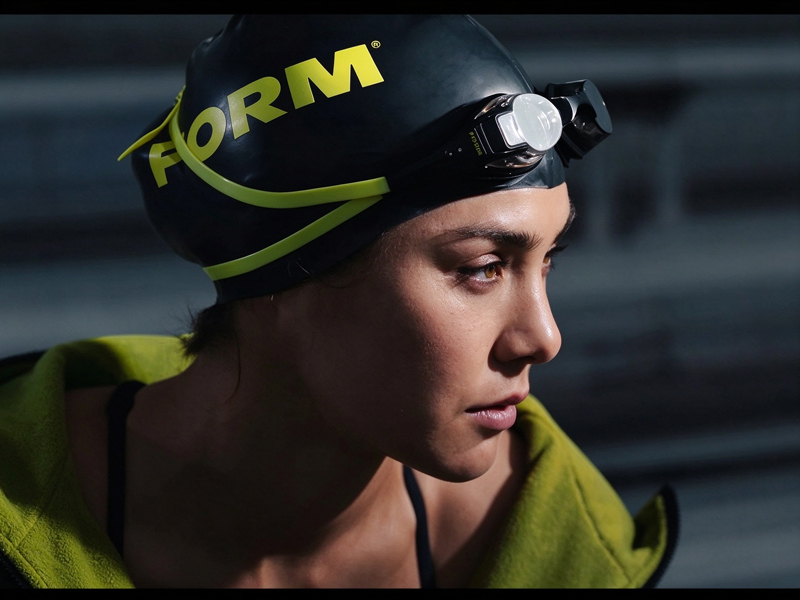
The usability copy knows goggles fail by millimeters, not megabytes. Interchangeable arched nose bridges, replaceable seals, mirrored lens options for indoor and outdoor use, display worn on either eye, prescription accommodation, and a rechargeable body are treated as fit and wear details rather than trivia. Open water gets the same careful assignment of jobs: onboard sensors capture heart rate, stroke rate, and time, while distance and pace borrow GPS from a paired Garmin or Apple watch. The store does not overclaim independence. It tells the shopper which part lives on the face and which part should stay on the wrist.
Proof Rack and Race Credibility
The credibility wall is specific enough to be useful. Race approval checkmarks point to World Triathlon, USA Triathlon, British Triathlon, and the PTO. The trusted-by section quotes Kristian Blummenfelt, Gustav Iden, Skye Moench, Aaron Royle, Lionel Sanders, and Emma Pallant-Browne, but the quotes stay anchored in training feedback rather than celebrity shine. The argument is not that famous athletes own the goggles; it is that constant feedback changed effort in running and cycling, and swimming has been waiting for the same number to appear while the work is happening.
Policy Shelf and Checkout Calm
The peace-of-mind row is short enough to remember after the page is closed: free returns, free carbon-neutral shipping, and a two-year warranty. There is no bundle theatre, no countdown panic, no artificial scarcity around a goggle. For a device people are asked to trust in cold water at six in the morning, that restraint reads as confidence. The checkout promise and the product promise match: know what you are doing, forget the counting, and keep the session moving.
Measured as a Shopify storefront, FORM keeps the shop narrow, the terms legible, the proof visible, and the tone calm. It does not try to sell swimming in the abstract. It sells a store that understands why swimmers look for the wall.