Hunt a killer, off the shelf: the subscription mystery box with a detective problem
Official homepage: https://www.huntakiller.com
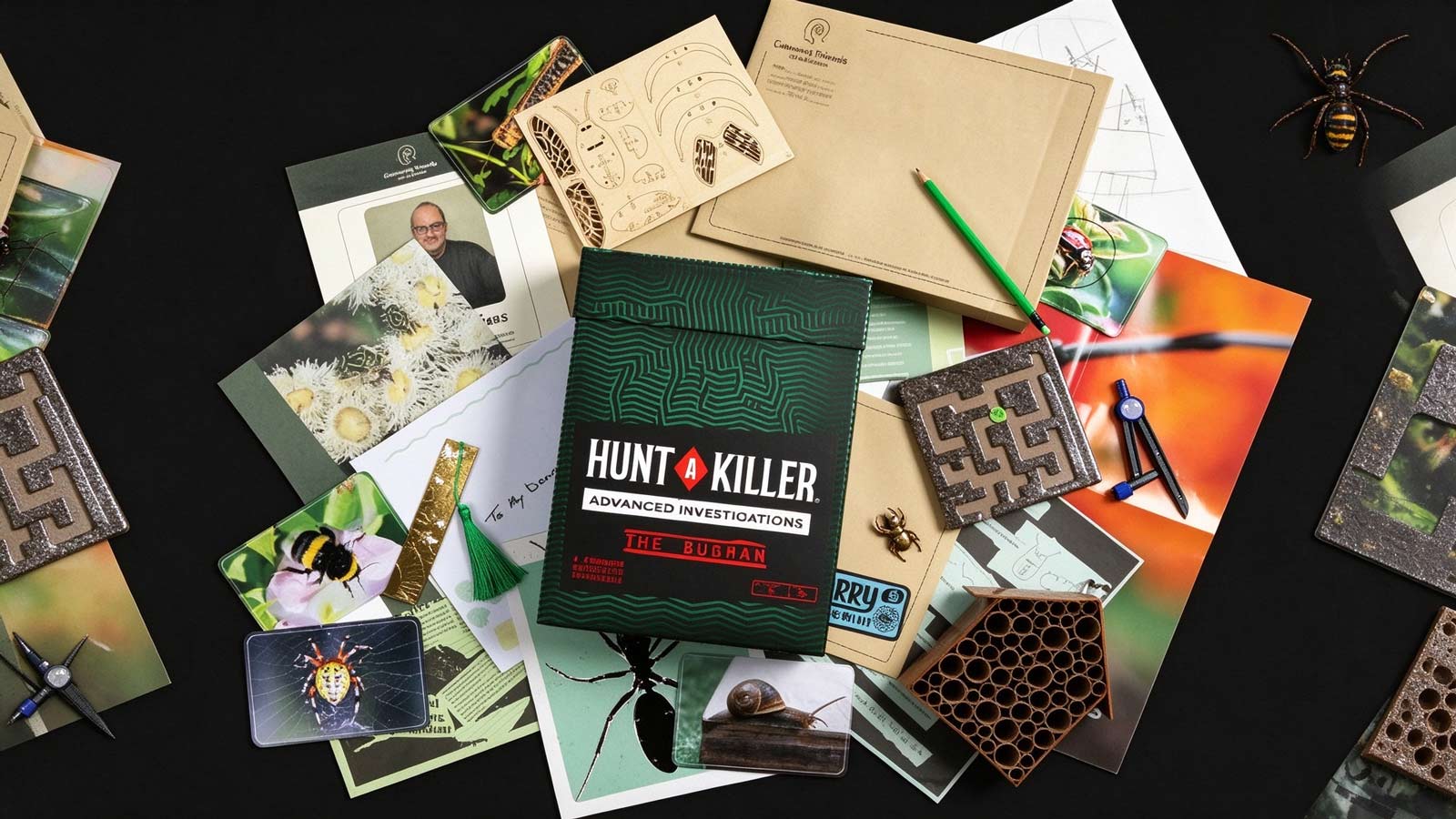
Board game stores usually sell you an evening. Hunt A Killer sells you an investigation — six to twelve boxes of physical evidence, each one a layer of a murder you piece together at your kitchen table with a corkboard, red string, and increasingly paranoid theories about the town librarian. Founded by two friends, Ryan Hogan and Derrick Smith, the company began with live immersive murder-mystery events before pivoting in the mid-2010s to the format it is known for: a subscription of monthly evidence kits containing autopsy reports, letters, maps, cipher wheels, and photographs realistic enough that unboxing one on a porch has drawn police attention in at least one neighborhood story. The concept became a phenomenon — the Facebook groups alone built a culture of members photographing their murder boards and dressing up to work cases — and the catalog now spans one-time retail boxes at Amazon, Target, and Walmart alongside the direct subscriptions. I went through the case files, the hint economy, and the complaint record. Here is the store across its dimensions.
Two Friends and a Murder Board
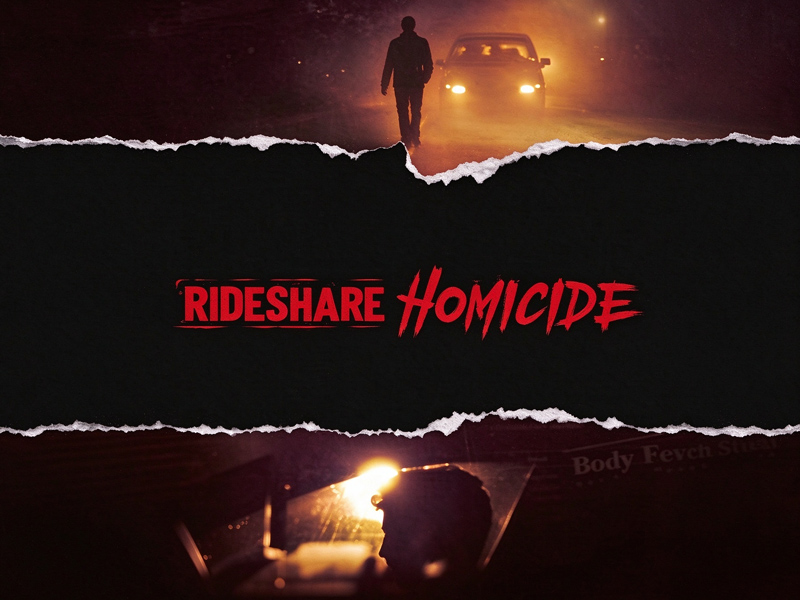
The origin explains the product's theatricality. Hogan and Smith came from immersive events — the kind where actors perform a mystery around paying guests — and the pivot to mail preserved the core trick: the fiction must feel real enough to touch. Every kit ships with physical artifacts rather than cards or apps, the realism is the product's signature, and the one-time boxes now retailing at $29.99 (the Sam and Colby collaboration The Haunting at Wicker Ridge sits at that price point) carry the same design language as the flagship subscriptions. The current homepage pushes a new case called Rideshare Homicide with the tagline that your next ride could be your last — the brand's marketing has grown more lurid even as its distribution has gone mainstream.
Anatomy of a Thirty-Dollar Mystery
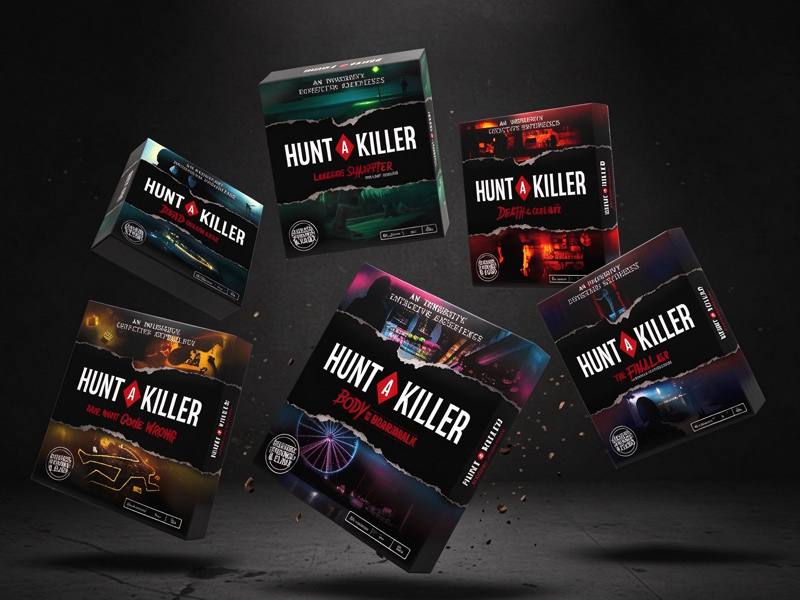
A single box, judged on its own, is a strong value: realistic evidence and clues rated as a selling point on the packaging, a self-contained puzzle arc, and production values that reviewers consistently describe as a cut above the escape-room-kit competition. The full-season subscriptions historically ran around twenty-five to thirty dollars per box, with premium all-in-one experiences above ninety-nine dollars, and the seasonal cases — Body on the Boardwalk, Dead Below Deck, Murder at the Talent Show, Death at the Dive Bar, The Girl in the Well — form a library deep enough that the brand can merchandise by theme, difficulty, and co-brand (the Sam and Colby ghost-hunting crossover being the current example). For a game night that wants theater rather than strategy, the format has few equals.
The Hint Economy
The ecosystem around the boxes is unusually well engineered. Members get a hints-and-reveals site that unlocks per-episode guidance using passwords printed on the inventory card — so the spoiler ladder is physical, deliberate, and hard to fall down accidentally. Beyond the official tool sit the community layers: an official Discord for swapping theories and announcements, and the Facebook groups where the culture took root — members sharing corkboard setups, asking for cipher help, and posting photographs of themselves in detective cosplay mid-investigation. A puzzle game that generates its own social infrastructure is a retention machine wearing a trench coat.
From Subscription to Shelf
The business model has visibly shifted, and the shift explains both the brand's reach and its most dangerous failure mode. The early company lived on six-month subscriptions — roughly $195 commitments — but the storefront now leads with one-time retail boxes, and the full library sells through Amazon, Target, and Walmart. That pivot made the brand ubiquitous; it also left the subscription back-catalog in a precarious state, because seasons depend on every box remaining in print. Which brings us to the ledger.
What the Complaint File Says
Trustpilot's unprompted record sits at 3.6, and the pattern behind it is specific. Multiple subscribers report purchasing six-month plans for seasons that had been retired — receiving the early boxes and then discovering the company could no longer supply the remainder, rendering the mystery unsolvable, with the hints website for that season offline as well. Cancellation stories recur: members describing multiple failed cancellation attempts, then a $195 charge, then an email queue where the only reply is an automated note that the team is a few days behind. Gift cards have gone unredeemed and unresponded to for months; a wrong-product shipment was answered with a partial refund and silence. And the gameplay itself divides: the logic in some seasons requires leaps a real detective would reject, which the provided hints exist to paper over. The common thread is not the product — the boxes, when complete and delivered, earn genuine affection — but the operation around them.
Closing the Case
Hunt A Killer invented a category — the serialized physical mystery — and then executed the hard parts beautifully: tactile realism, a spoiler-safe hint ladder, a community that polices itself with red string. Where the store struggles is the unglamorous plumbing of the model: keeping every season's boxes in print, answering the cancellation email, honoring the gift card, shipping the right item to the right address. The safe play is the retail shelf — a $29.99 one-time case from Amazon or Target carries none of the subscription risk — and the adventurous play is the direct subscription, undertaken with the cancellation policy read twice and the credit card company on speed dial. The concept deserves its cult; the operation keeps auditing its own alibi.