Honey-based fuel for 25 years: inside the stroopwafel empire of steamboat springs
Official homepage: https://www.honeystinger.com
Honey Stinger turned a Dutch pastry and a beekeeping family recipe into America's most recognizable endurance snack.
Founded in 2001 in Steamboat Springs, Colorado, by a group of triathletes — one of whom grew up in a Pennsylvania beekeeping family — Honey Stinger built its entire catalog on a single unconventional decision: honey as the first ingredient in performance fuel. The brand's organic waffles became a trailside staple after a famous cyclist helped import the stroopwafel concept to American aid stations, and its logo has survived the scandal that followed. This review examines the honey-first formulation, the waffle phenomenon, the Armstrong legacy, and who actually benefits from keeping these snacks in a running vest.
Beekeepers' Grandchildren, Three Triathletes, One Gel
The brand's roots run deeper than its 2001 founding. Co-founder Bill Gamber's grandparents started Dutch Gold Honey in Lancaster, Pennsylvania, in the 1940s, making the family beekeepers for generations. When three Steamboat Springs triathletes decided in 2001 that existing energy gels were unpalatable and hard to stomach, the answer sitting in front of them was the family sweetener: honey, a carbohydrate blend of glucose and fructose that the human body has processed for millennia.
They set up shop at every endurance event in the Rockies — marathons, bike races, ski races — handing out samples until a committed following formed. That grassroots, aid-station-by-aid-station launch is still visible in the brand's DNA: fueling real athletes at real events rather than building awareness through advertising.
Honey as the First Ingredient Since Day One
The formulation logic is simple and genuinely differentiating. Most energy products lead with maltodextrin or corn syrup; Honey Stinger products lead with honey, which naturally contains roughly equal parts glucose and fructose. That dual-sugar profile mirrors what sports science now recommends for endurance fueling — two intestinal transporters working in parallel — but the brand arrived there by taste and heritage rather than lab targeting.
The ingredient lists are short and readable: organic honey, organic wheat flour, organic cane sugar, sea salt on a waffle; honey, water, electrolytes, plus natural flavors in a gel. For runners who have read enough supplement labels to distrust them, a wrapper that reads like a pantry has real appeal. The trade-off is that honey is still sugar — the products fuel performance, they are not health food, and the brand has grown more careful about implying otherwise as it expands beyond endurance athletes.
The Stroopwafel Arrives With a Famous Cyclist
The product that made Honey Stinger a household name among runners is not a gel but a waffle. In 2011, the brand brought the Dutch stroopwafel — two thin cookies sandwiching a syrup layer — to the American market in collaboration with Lance Armstrong, who had discovered the pastry on European training rides and had become a Honey Stinger co-owner in 2010. The Honey Stinger Waffle was born, and it solved a problem gels could not: a solid, real-food texture that sits lightly in the stomach at hour four.
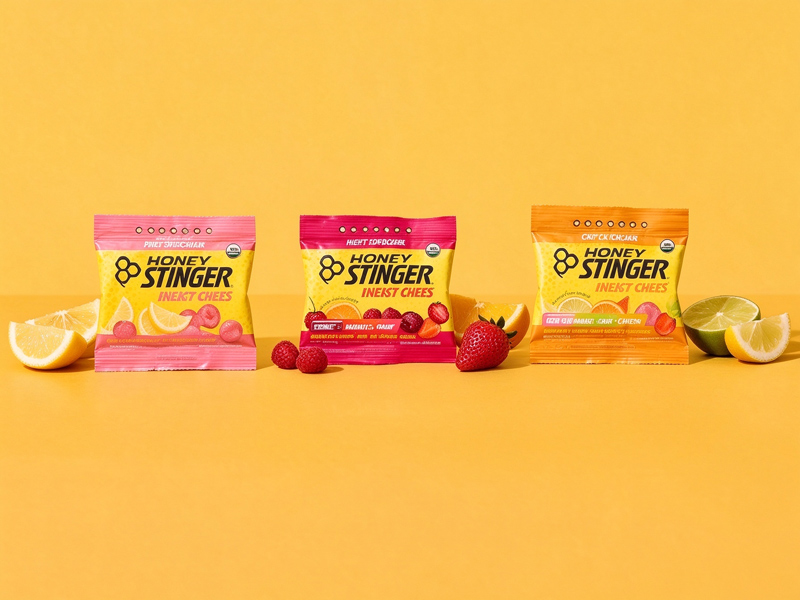
The waffle format caught on immediately with ultrarunners and cyclists, and it remains the brand's signature product more than a decade later, now in organic, gluten-free, mini, and kid-sized versions.
Scandal, Removal, and a Product That Survived
The Armstrong association became a liability in 2012 when the doping revelations ended his public career. Honey Stinger removed his image from wrappers and marketing materials that October — the waffles, as reviewers wryly noted at the time, outlived the face on the package — though Armstrong remained connected to the ownership group in some capacity, a fact that still gives a small segment of buyers pause.
For most of the market, the episode reads as a footnote rather than a verdict. The product's reputation was built on aid stations and word of mouth, not celebrity endorsement, and removing the logo did nothing to slow the waffle's rise. It remains one of the more instructive cases in sports nutrition of a brand surviving its most famous promoter.
Locker Rooms, NCAA Programs, and the Hive
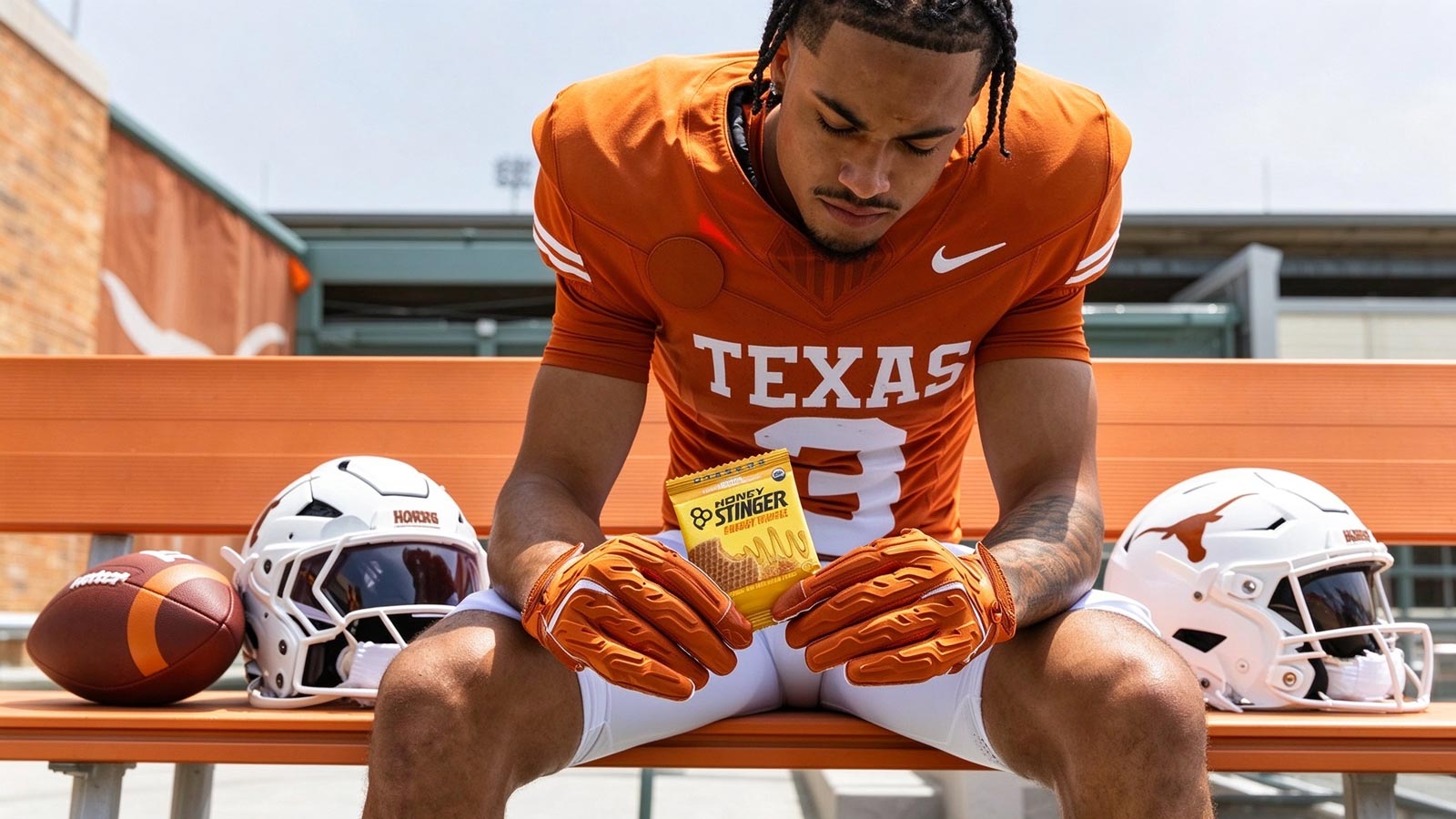
The institutional footprint is substantial. By 2018, Honey Stinger products sat in the locker rooms and training tables of more than 90 professional and 300 NCAA athletic programs, a distribution legacy from the brand's elite-fuel era. Its registered ambassador community, called the Hive, has grown past 10,000 members who sample products, staff events, and serve as local evangelists.
This infrastructure explains the brand's peculiar dual identity. Among endurance athletes it is legacy fuel with elite credentials; among recreational gym-goers it is the organic waffle next to the coffee shop register. Both identities are real, and the Shopify storefront serves both with subscriptions, variety packs, and bulk boxes.
Waffles That Freeze and Other Honest Gripes
Long-term user reviews accumulate a predictable set of complaints. The waffles crumble in the wrapper and shed crumbs on the trail; in single-digit temperatures they freeze solid and demand careful biting; at roughly 160 calories each they are lighter fuel than bars, so long efforts require planning multiple wrappers. The gels divide athletes — some find honey-based gels the easiest to stomach, others find the sweetness cloying in heat.
None of these are deal-breakers, and the brand has quietly addressed several: mini waffles reduce packaging-per-calorie, and the flavor range now runs from classic honey to vanilla, chocolate, and seasonal editions. But a review that skipped these gripes would not be doing its job.
From Elite Fuel to Gym-Bag Snack Aisle
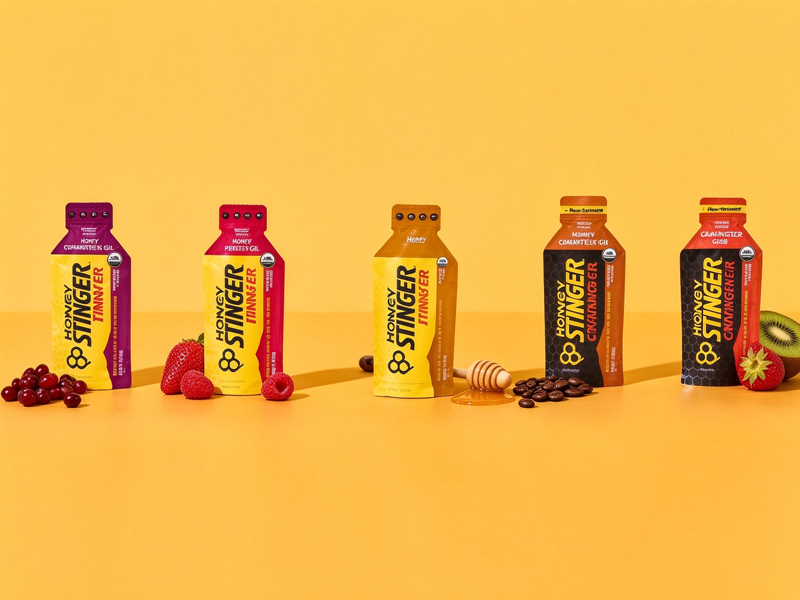
The most consequential shift in the brand's recent history is strategic. Around 2018, the founders concluded that elite endurance was a saturated niche and that the bigger market was the millions of casually active people who wanted better snacks. A repositioning followed, with rapid hydration mixes, nut-and-seed bars, and kid-oriented products joining the endurance core — same honey-first logic, broader occasions.
For runners, the change is mostly upside: hydration products and recovery bars now sit alongside the classic fuel, and availability in grocery and natural-food channels has improved. The risk is brand dilution — a waffle that means "ultra aid station" also means "desk drawer snack" now — but so far the endurance line remains intact.
Organic Labels and Real Ingredients, Read Closely
The organic credentials are legitimate and certified, covering the waffles, chews, and gels rather than a token product or two. Honey itself cannot be certified organic in the United States under current standards, a nuance the brand navigates by sourcing organic where certification is possible and being transparent where it is not. Gluten-free options exist across the waffle line, and ingredient lists avoid artificial colors and high-fructose corn syrup.
Shoppers doing close label reading will still find cane sugar and brown rice syrup in some products — this is candy-adjacent fuel, not a clean-eating halo — but relative to the energy bar aisle, the formulations are notably conservative.
Who Should Keep Honey Stinger in Rotation
The Honey Stinger runner is usually a long-distance or trail runner who wants a solid, real-food option between gels, a parent packing kid-friendly fuel for race day, or a recreational athlete who wants an organic snack that doubles as workout fuel. Purists chasing maximal carbohydrate efficiency per gram may prefer engineered drink mixes, and the honey-averse have no reason to start here.
The fair verdict on 25 years of evidence: Honey Stinger built the most trusted real-food fuel in American endurance sports, weathered its worst headline, and expanded without abandoning the ingredient that started it all. The waffle in the vest pocket remains one of the sport's small pleasures — crumbles and frozen bites included.