Exploring punk purple: a deep dive into its niche‑focused online shop

Official store page:https://punkpurple.com
Punk Purple is a small independent Shopify store built around one idea: punk-and-skate culture printed onto wearable and displayable goods. Browsing the site end to end, we found a store with a genuinely focused identity — and a noticeably thin layer of trust infrastructure around it. Here's what the visit actually revealed.
What the Store Actually Sells
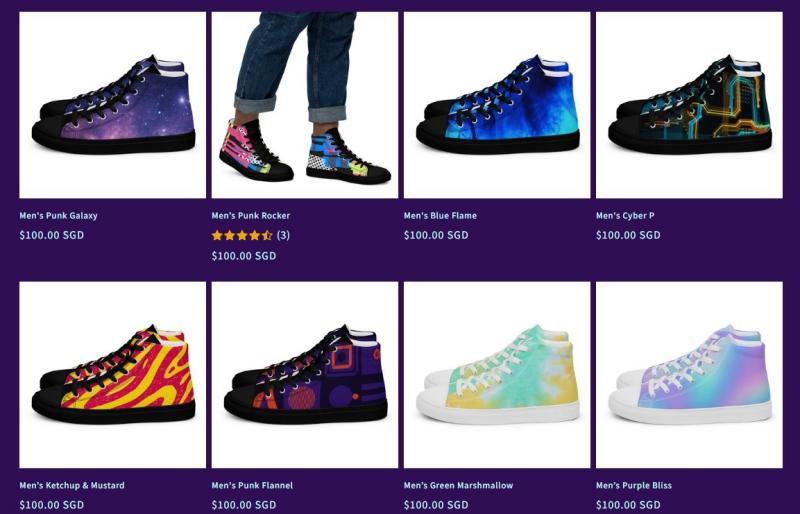
The product range is narrow and consistent: graphic-print sneakers, themed-art T-shirts, and decorative skate decks — nothing else. Every item carries punk- or skate-related artwork; there is no mainstream everyday wear diluting the theme. Sneakers and tees use basic silhouettes with printed designs on the surface, while skateboards serve as single unisex decorative items.
That focus is the store's biggest strength, but the merchandising stays stubbornly single-item. Even where the same print appears on both a sneaker and a T-shirt, the store offers no bundled sets, no matching pairs, no gift packs. For a shop whose entire identity is built on a shared aesthetic, the absence of cross-category collections feels like a missed opportunity.
Shopping Services: Functional but Hidden
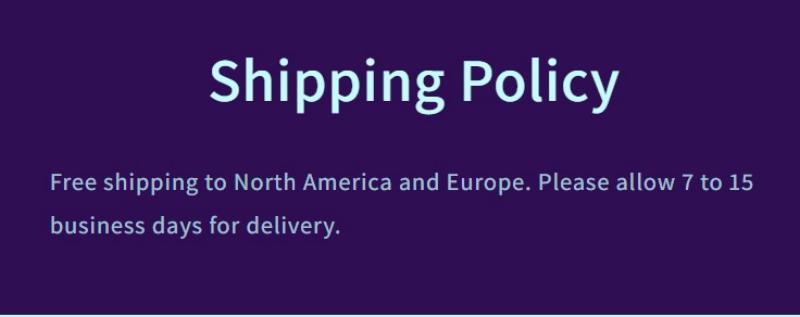
The site does cover the essentials — free shipping with a 7–15 business day delivery window, size guides, fabric and care details, and a return policy all exist. The problem is where they exist: every piece of this supplementary information lives only in footer links, invisible from product pages, category pages, and previews. A shopper mid-purchase who wants to check the return window has to leave the product entirely and go hunting. Standard, but friction-heavy.
Pricing: Flat, Simple, and Slightly Puzzling
Pricing is strikingly uniform — all sneakers share one fixed price, all T-shirts another, regardless of print design. Simplicity is fine, but the promotional layer raises questions. Several product cards display two price lines — a regular price and a sale price — with identical numbers. Some skateboard listings show a struck-through "original" price above the selling price, with no explanation anywhere on the page of what that crossed-out figure represents. When a discount frame contains no actual discount, it stops being a promotion and starts being decoration — or worse, a subtle pressure tactic on an unwary shopper.
The Trust Gap: What the Store Doesn't Show You
This is where the observations converge into a real concern. During the entire visit we found no customer-review sections, no buyer photos, no Q&A panels — no on-site mechanism for past buyers to leave feedback at all. There are no membership perks, no email-subscription incentives, not even a signup pop-up. Brand content consists of a single short paragraph at the bottom of the homepage; there are no lookbooks, no culture articles, no community presence.
Individually, each of these is a small omission. Together, they form a pattern: the store asks for trust without offering any of the conventional scaffolding — reviews, transparent policies at point of sale, or explained pricing — that online shoppers use to grant it. Combined with the unexplained struck-through prices, cautious buyers should treat this as a shop that is easy to browse but hard to verify.
Browsing Tools: Bare Minimum
Navigation offers only broad category sections and "view all" buttons. Once inside a category, products load as one long vertical list with no filters for theme, style, or price, and no sorting by newest or most popular. There are no quizzes or recommendation features. For a catalogue this small it's tolerable; if the range grows, it will become a genuine problem.
Who This Store Is For
Punk Purple suits one specific buyer: someone who already loves punk-skate aesthetics, wants a print-driven sneaker, tee, or deck at a flat, predictable price, and is comfortable ordering from a low-frills independent shop. It does not suit shoppers who rely on reviews, visible return terms, or explained discounts before committing — because none of those exist here. The store's identity is real and consistent; its trust signals, however, need to catch up with its theme.