Everybody run: how one montreal cap brand quietly reshaped running culture
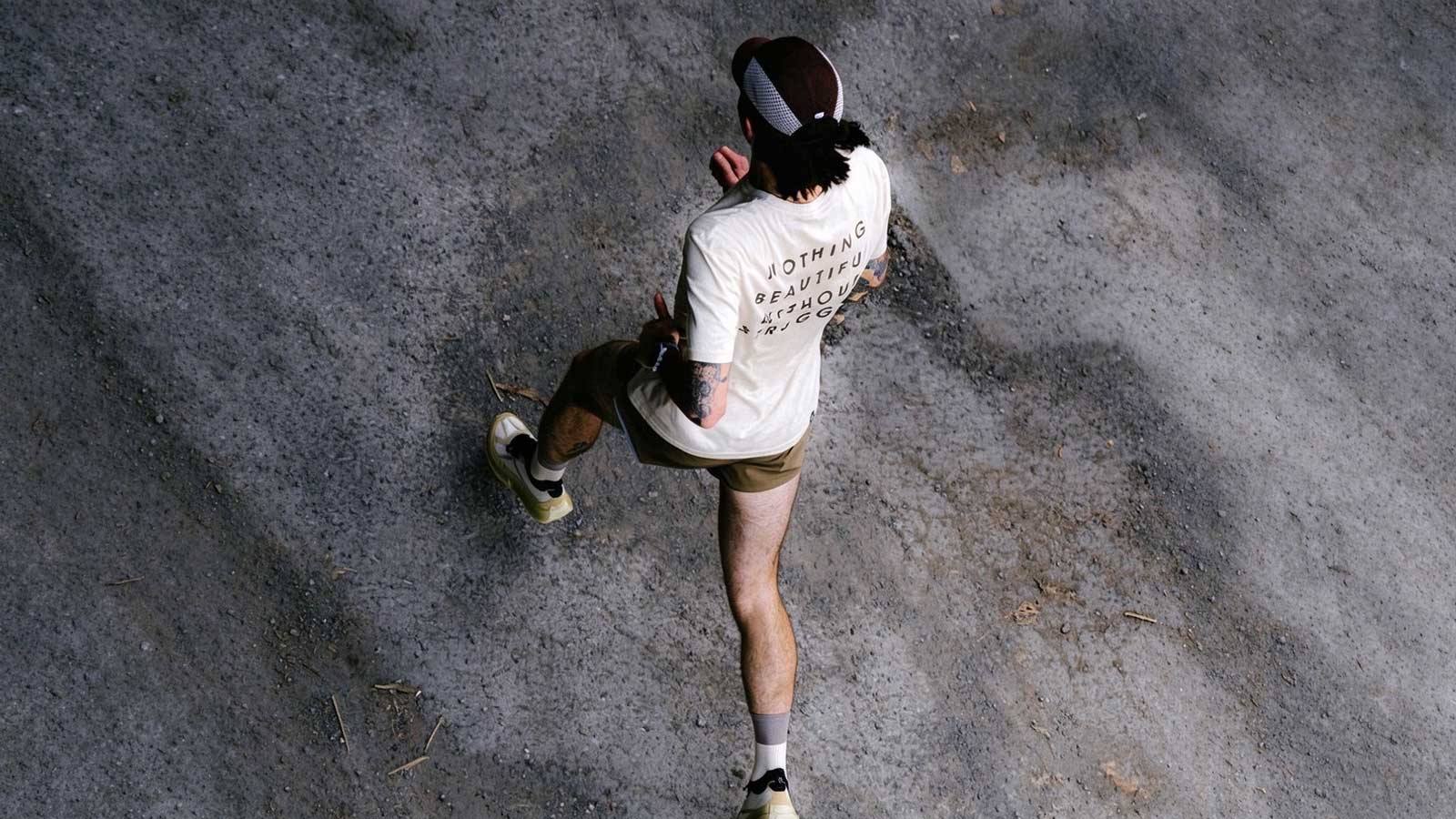
Official homepage: https://cieleathletics.com
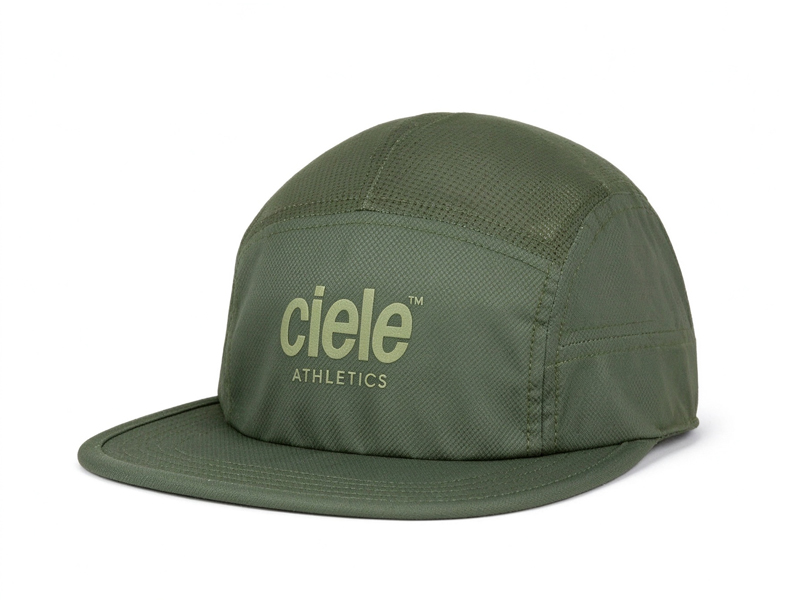
Ciele Athletics started with a single running hat and turned headwear into the most visible real estate in the sport. Founded in Montreal in 2014 by a skate-shop owner and his design partner, the brand spotted what the entire running industry had missed: shoes got all the engineering while hats were treated as free giveaways. More than a decade and over a million GOCaps later, Ciele has become the quiet blueprint for style-conscious running brands everywhere. This review examines its origin story, product discipline, technical fabrics, wholesale empire, and whether its premium-priced caps and apparel earn their place in your rotation.
A Skate-Shop Background Meets a Missed Market Gap
Ciele was founded in 2014 in Montreal by designer Jeremy Bresnen and his longtime collaborator Mike Giles, and its origin story explains almost everything about the brand. Bresnen came out of Quebec's skate and snowboard scene — he ran a Montreal skate shop in the early 2000s — and fell into running later in life. When the two started brainstorming a project in 2013, they noticed something odd: the running industry obsessed over shoes and treated hats as free giveaways.
That observation became the business. At a Salt Lake City trade show in early 2014, Bresnen met a hat manufacturer with low minimum orders, sketched an early GOCap design on the plane home, and launched within weeks. The insight was cultural before it was technical — running brands treated running as a sport, while Ciele treated it as a culture worth dressing for.
One Million GOCaps Sold and Still Counting
The store's own counter says 1M+ caps sold to date, and the GOCap alone has passed the million-unit mark in industry coverage. For a product category the major brands considered an afterthought, that number explains why Nike, Adidas, New Balance, and Asics eventually all released five-panel, flat-brim running caps of their own.
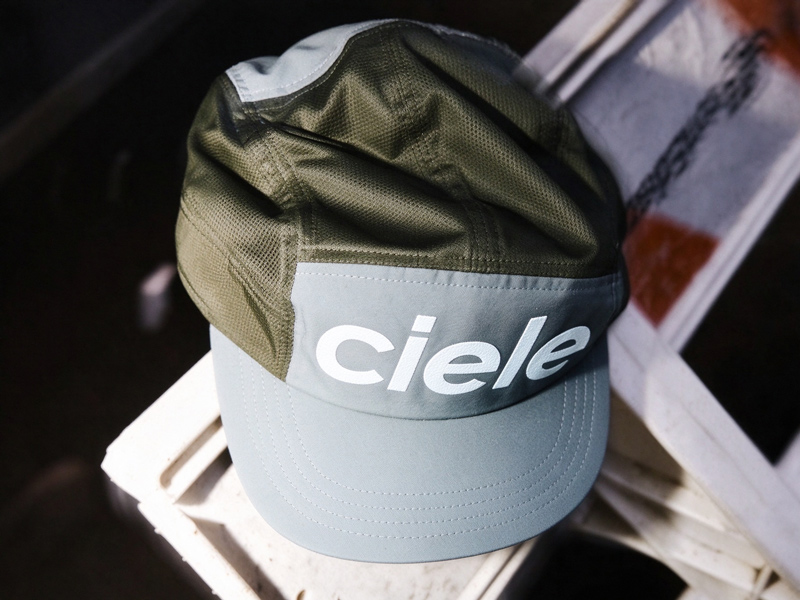
The GOCap's formula has stayed consistent: a five-panel construction borrowed from 1990s skateboarding, a pliable brim, quick-dry fabrics, and reflective details that actually show up in headlights. The brand publishes its line logic openly — GO for everyday fits, FST for racing minimalism, TRL for trail durability — so repeat buyers know exactly which family they are shopping.
Headwear First, Apparel Second, Shoes Never
What surprises first-time visitors is how far the catalog has grown beyond hats. Ciele now sells T-shirts, half-tights, shorts, jackets, and cold-weather layers across men's and women's lines, organized into collections like Originals, PR for performance running, and LE for life editions that blur into casual wear. GQ has called its half-tights and tees regular-rotation gear for runners who care about how things look.
Equally telling is what Ciele does not sell. There are no running shoes, no watches, no recovery gadgets. The discipline of staying in apparel and headwear keeps the product development focused — a jacket from a brand that only makes apparel tends to be thought through more carefully than a jacket from a brand that makes everything.
Technical Fabrics Hiding Inside a Simple Hat
Under the playful colorways sits genuine textile engineering. Ciele's Solar Elite caps use a mini ceramic ripstop fabric marketed as RAYaway that reflects sunlight to keep the head cool, paired with mesh panels for ventilation. Recycled fibers run through much of the range, and a Woolmark-certified Merino collection launched in late 2025 brings natural temperature regulation into the mix.
The design philosophy treats a cap as equipment rather than merch — washable, packable, and built to be worn hundreds of times. At roughly $45 to $110 per cap depending on the line, the pricing sits well above giveaway-tier hats and below designer streetwear, a deliberate position for buyers who want performance without logos screaming about it.
Cold-Weather Credibility From a Canadian Winter
A Montreal headquarters is not just an origin detail — it shapes the product. Canadian winters demand gear that handles sub-zero miles, and Ciele's cold-weather collection, including beanies, balaclavas, and neck tubes, benefits from being designed by people who actually run through those conditions.
This gives the brand an unusual seasonal completeness. Most running apparel companies are built around fair-weather product and bolt on winter gear later. Ciele's CW line reads as a core competency, and reviewers consistently single out its winter pieces as best-in-class for the category.
B Corp Certification and What It Costs
Ciele is a certified B Corp, meaning its social and environmental performance is measured against an independent standard rather than self-declared. In an industry where sustainability claims are often marketing varnish, third-party certification carries more weight, and the brand's site treats it as decision-making infrastructure rather than a badge.
Practically, this shows up in material choices — recycled fibers across much of the range, Merino sourcing, and packaging decisions — and in the company's stated mission to "move people to movement." Whether a shopper weighs certification heavily or not, it signals a governance maturity uncommon in a brand of this size.
Thirteen Hundred Stores Across Forty-Three Countries
Ciele's footprint is mostly wholesale: the brand reports roughly 1,300 active brick-and-mortar retailers across 43 countries, plus its own flagship on Notre-Dame West in Montreal. That distribution strategy means the Shopify store functions as the full-catalog destination — carrying lines and colorways that no single physical shop could stock — rather than the only place to buy.
For shoppers, this hybrid is an advantage: the cap can be tried on at a local run shop, and the rest of the collection is available direct. International buyers benefit from the dense retail network, and recent expansion into markets like China through regional partners suggests the model travels well.
Everybody Run as a Business Philosophy
The hashtag #everybodyrun is printed on the store and treated as a founding creed: the belief that running is a base human activity, not an elite one. This inclusive positioning predates the current running boom and has aged well — the brand appeals simultaneously to first-5K runners and to veterans of the sport, which is a difficult line to walk.
It also shapes the visual identity. Ciele's look draws on skate and art-world references rather than performance-sport clichés, which is precisely what made it the template for the wave of style-conscious running brands that followed. Brands like Satisfy and Bandit get more attention for fashion crossover, but industry observers routinely credit Ciele as the blueprint.
The Runners Who Keep Coming Back
The typical Ciele customer is a regular runner rather than a racer — someone logging consistent miles who wants gear that performs without looking like team kit. The cap is usually the gateway purchase, and the apparel lines earn their place in the rotation afterward. Gift buyers also figure prominently, since a well-chosen running cap is one of the few pieces of gear that fits anyone.
The honest summary: Ciele solved a problem the giants ignored, built a manufacturing and retail network that has survived their imitation, and kept its identity through the sport's fashion era. For a company that started with a sketch on an airplane, that is a rare kind of finish line.