Engino's snap-fit syllabus: four learning steps, upgrade ladders, robot apps, open distributor aisles
Official homepage: https://www.engino.com
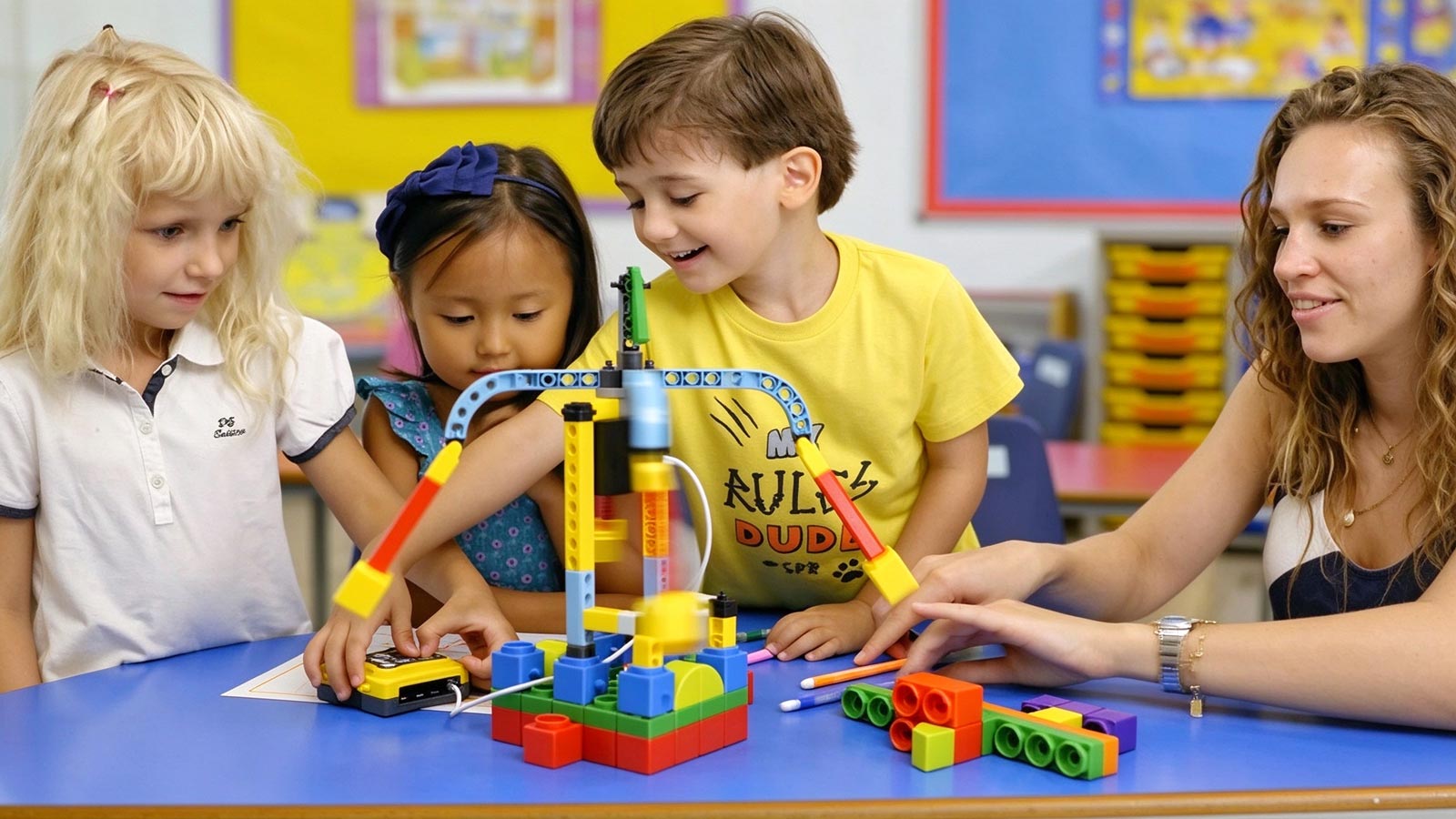
Educational-toy stores usually organize by subject — physics here, robots there, arts somewhere in the back. Engino organizes by method: the homepage itself is a syllabus, laid out as four verbs a child climbs in order — build, experiment, learn, invent — with the product catalog waiting underneath each step. I browsed with a nephew who has outgrown two construction systems already and a suspicion that the letters STEM on a box guarantee nothing. Here is the counter, decision by decision.
Door Policy: The Syllabus as Navigation
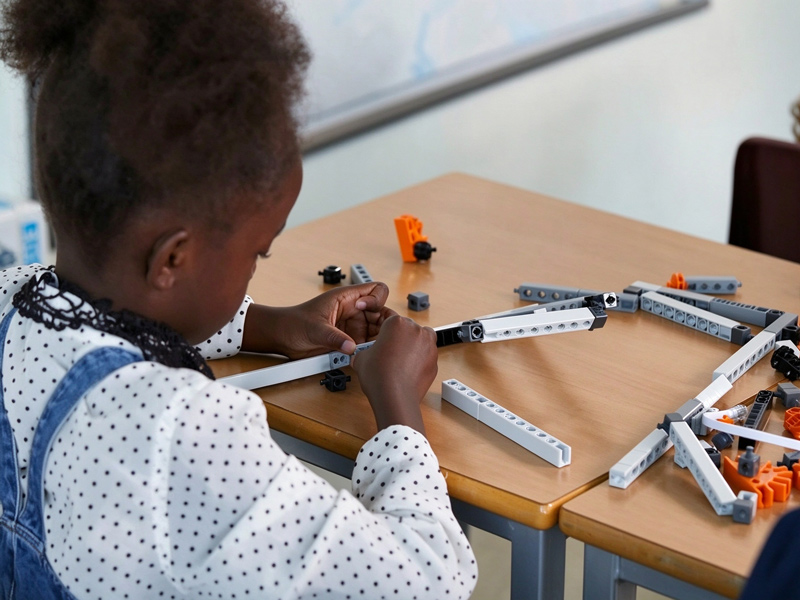
The storefront's opening act is a sequence, not a product: snap pieces together, vary the design and watch what changes, read the theory that explains it, then invent something no manual contains. Making the learning method the navigation tells a parent, before a single price appears, that this is a system with a philosophy rather than a pile of plastic — and it hands the store its own quality control, since every product can be tested against the four verbs before it ships. The syllabus is the brand; the box is merely its delivery.
Fourteen Lines, One Ladder
Beneath the philosophy sits a matrix of some eighty products in fourteen series, and the architecture is educational rather than commercial: an inventor range scaled by imagination, an upgrade range that expands sets without repurchasing the flagship, solar, mega-structures, an eco line marrying beech wood to plastic, and a robotics platform with its own programming environment. Publishing the series structure openly lets a parent see the road from toddler cubes to programmable robots before spending a first dollar, and the upgrade range honors earlier purchases instead of taxing them. Anti-obsolescence turns one sale into a decade of follow-ups.
A Classroom Aisle Behind the Toy Shelf
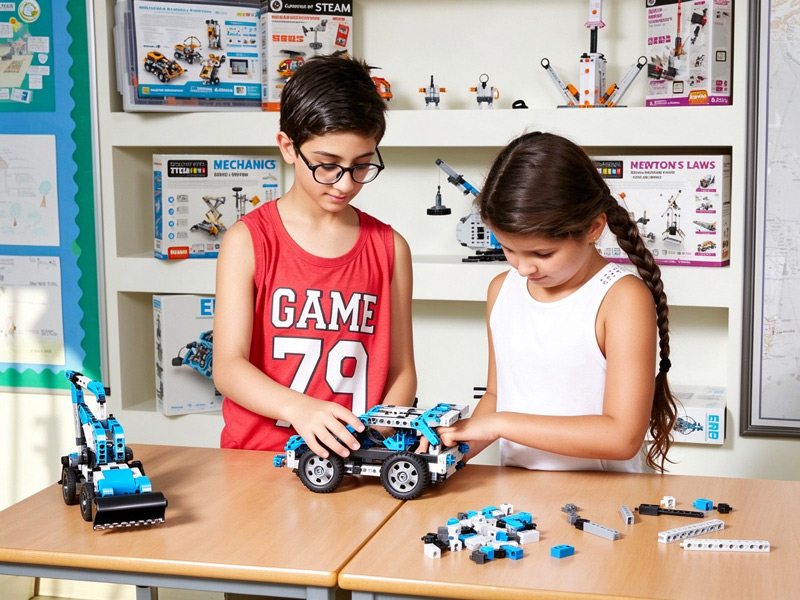
Running parallel to the consumer catalog is a second storefront in all but name: school solutions, with curricula, lesson plans, and teacher guides engineered for classrooms. Housing B2B inside a consumer toy shop turns pedagogical documentation into a wholesale asset — the manual that explains levers to a nine-year-old becomes a term's material when a teacher adopts it, and every classroom adoption manufactures the next generation of home customers. The school aisle is the cheapest acquisition channel on the site.
Software Given Away to Raise the Ceiling
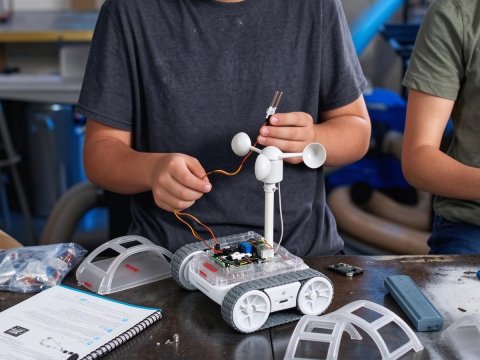
Every modern build pairs with free software: a Bluetooth app turning a phone into a joystick for robot models, a Scratch-style programming environment with an Arduino path for older users, a 3D builder with a full virtual parts library for practicing assembly before committing plastic. The hardware margin stays modest, but the apps raise the ceiling on every kit, keep a nine-year-old's set relevant at twelve, and teach CAD habits no cardboard manual could carry. The apps are retention disguised as generosity.
A Wall of Dated Seals
The homepage carries credentials the way a university carries accreditations — rows of seals from toy juries and education awards, several stamped with the current year. Dating the seals matters more than counting them: recent verdicts argue the design pipeline is alive, while decade-old honors would argue the opposite. The density also quietly compensates for a brand name less famous than its shelf rivals — the juries have already done the introducing, and the store simply displays their homework.
The Distributor Door Left Open
The store does not hide its wholesale ambitions: a page invites distributors into an established network, touting patented construction, European manufacture, and award records. Publishing recruitment inside a consumer storefront is unusual — most brands tuck B2B behind a contact form — but it reassures the careful parent that the product survives retail scrutiny in dozens of countries, and it tells the small toy shop that the factory takes them seriously. The open door is social proof pointed at both audiences at once.
Membership Priced in Weekends
A yearly membership sits mid-page — workshops, hands-on activities, up to twenty percent off — beside a smaller newsletter offer for the uncommitted. Layering membership over product shifts the store from selling boxes to selling a year of weekends, and the discount is priced against the certainty that an enrolled child outgrows one series onto the next. The child who attends workshops learns the brand's four verbs in person, and a gift purchase becomes a standing relationship.