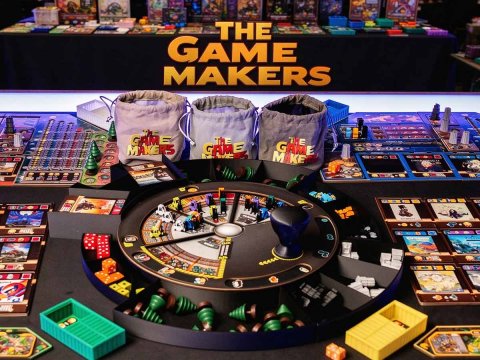
Cephalofair's thirty-five-pound counter: laserox inserts, gencon conquests, coins, a map policy with teeth
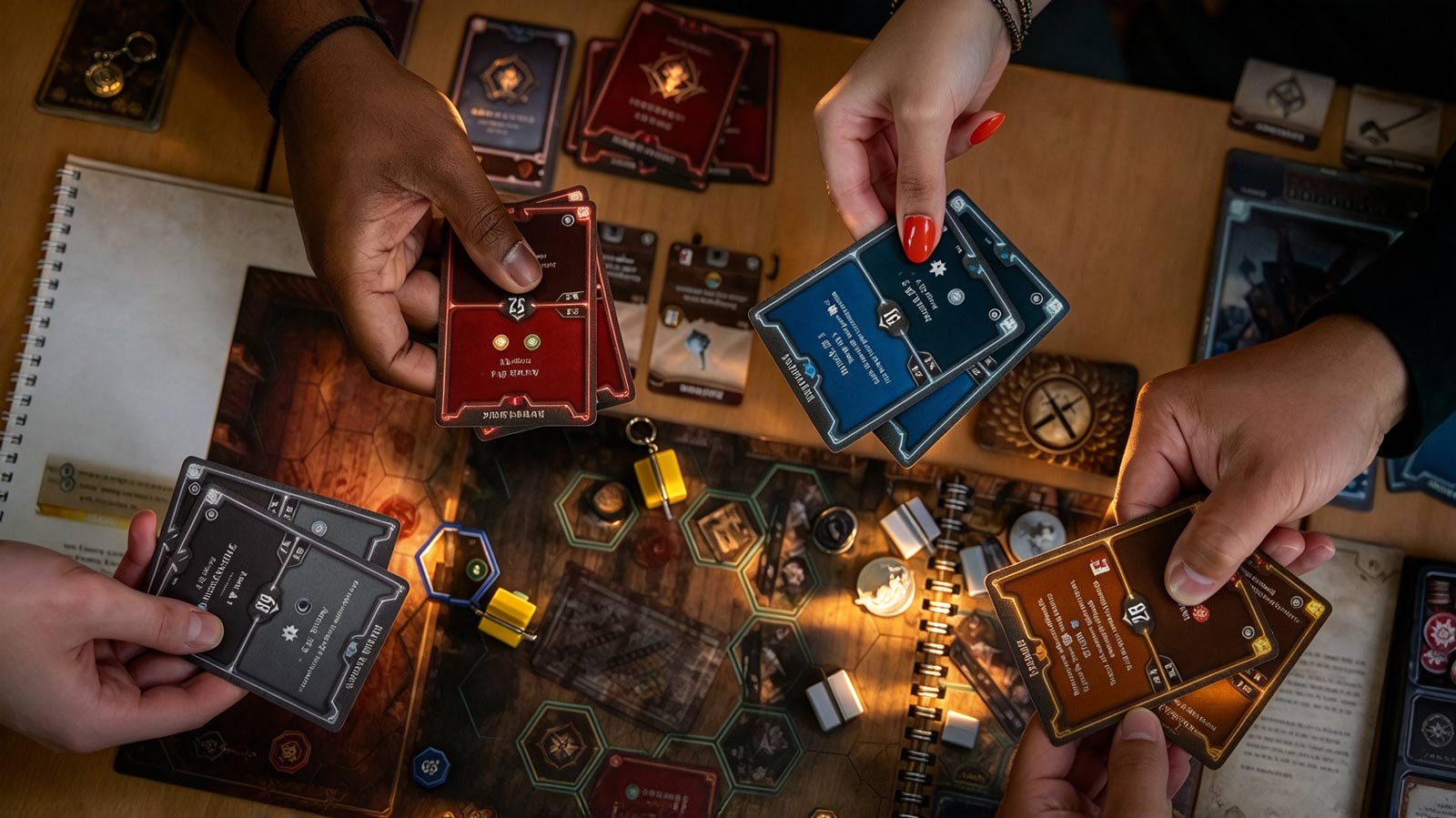
Official homepage: https://cephalofair.com
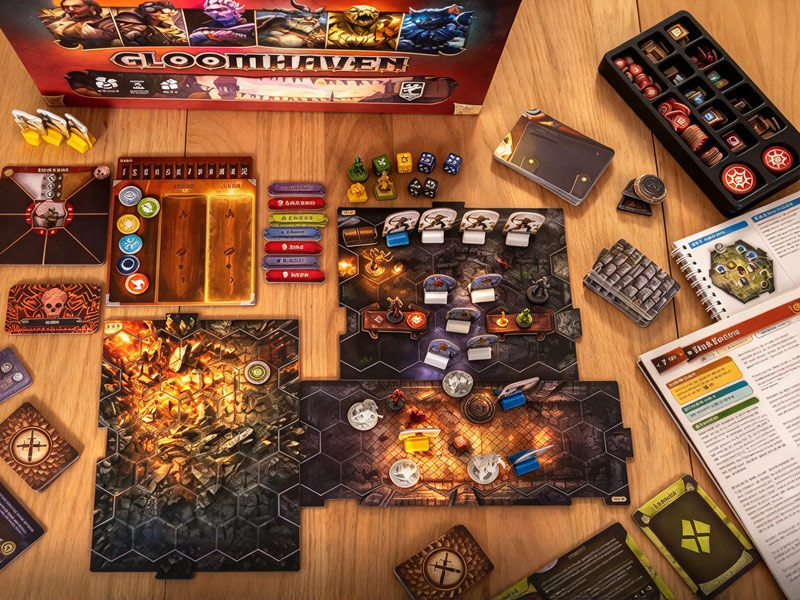
Board-game stores usually sell boxes. Cephalofair sells a commitment — its flagship, Frosthaven, ships at thirty-five pounds, and the store is organized around the fact that owning one is closer to owning a piano than a paperback. I browsed with a shelf already bowed under Gloomhaven and a respect for publishers who understand that the heaviest part of a legacy game is the setup. Here is the counter, decision by decision.
Door Policy: Sell the Heft, Not the Box
The storefront does not apologize for the weight; it merchandises it. A premium game bag built for a thirty-five-pound box sits in the catalog beside a laser-cut wooden insert that turns a half-hour setup into five minutes, with a puzzle, a challenge coin, and a GenCon quest pack circling the same promise — this game will live in your home for years, so own it properly. Leading with burden filters the room: the browser who flinches at the bag was never going to finish the campaign, and the store has no interest in selling to that person twice.
Accessories That Solve Setup, Sprawl, and Wear
The accessory shelf earns its floor space by fixing the three real costs of a big-box legacy game — setup time, table sprawl, and component wear. The insert sorts hundreds of tokens into labeled trays; the bag answers the physical act of transport; the coins upgrade cardboard to metal. None of it is cosmetic upsell, and the tags print old prices crossed out beside the new ones. Fixing the game after the sale pays like goodwill and works like revenue: an owner whose Frosthaven sets up in five minutes is primed for the next campaign.
Convention Scraps, Kept Permanently on Sale
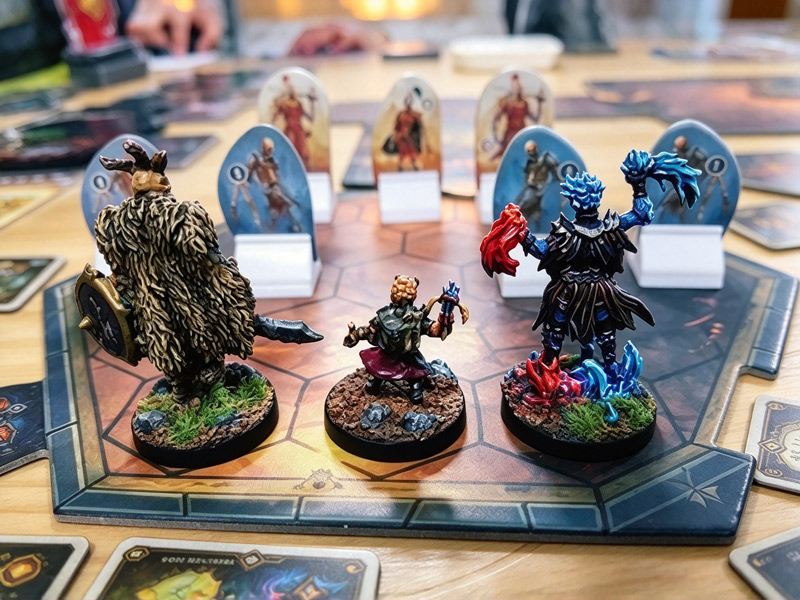
The smallest tickets are the telling ones. ConQuests, a four-quest expansion released at GenCon 2025, sells for five dollars; challenge coins and a thousand-piece puzzle sit at similar prices. Keeping the convention floor permanently open online turns the show into an inventory category — the fan who missed GenCon still gets the trophy, and the five-dollar item keeps a finished campaign warm until the next release ships.
A MAP Policy Enforced Like Law
The store publishes a minimum-advertised-price policy that is simply MSRP, and forbids Amazon FBA, Walmart, Target, and the major resale platforms outright. Enforcing it costs short-term reach and buys something rarer — a shelf price that means the same thing everywhere, and a local game store that is not undercut by the publisher it champions. The same page opens direct retailer accounts with wholesale pricing behind a resale certificate, so the publisher’s own storefront becomes the only one on the internet selling at full price.
Service Printed Where Customers Can Find It
Replacement parts have their own form, with the boundary stated in advance — manufacturing errors replaced free, shipping damage and wear handled at cost — and support answers in one to two business days. In a hobby where a lost punchboard can orphan a two-hundred-hour campaign, a visible repair counter is product insurance, and printing the policy before anyone needs it is what makes the insurance believable.
Credits Rolling Like a Film's End Titles
The about page scrolls like end credits — sculptors, cartographers, rulebook editors, and designers named with their prior work. Printing labor attribution where a competitor would print marketing copy tells the same story as the thirty-five-pound box: this is a craft studio at industrial scale, and the store is where its work sits between printings. The credits quietly recruit, too — every named contributor’s next employer reads that page.