Born in a toaster oven: how altra's zero drop shoes changed running forever
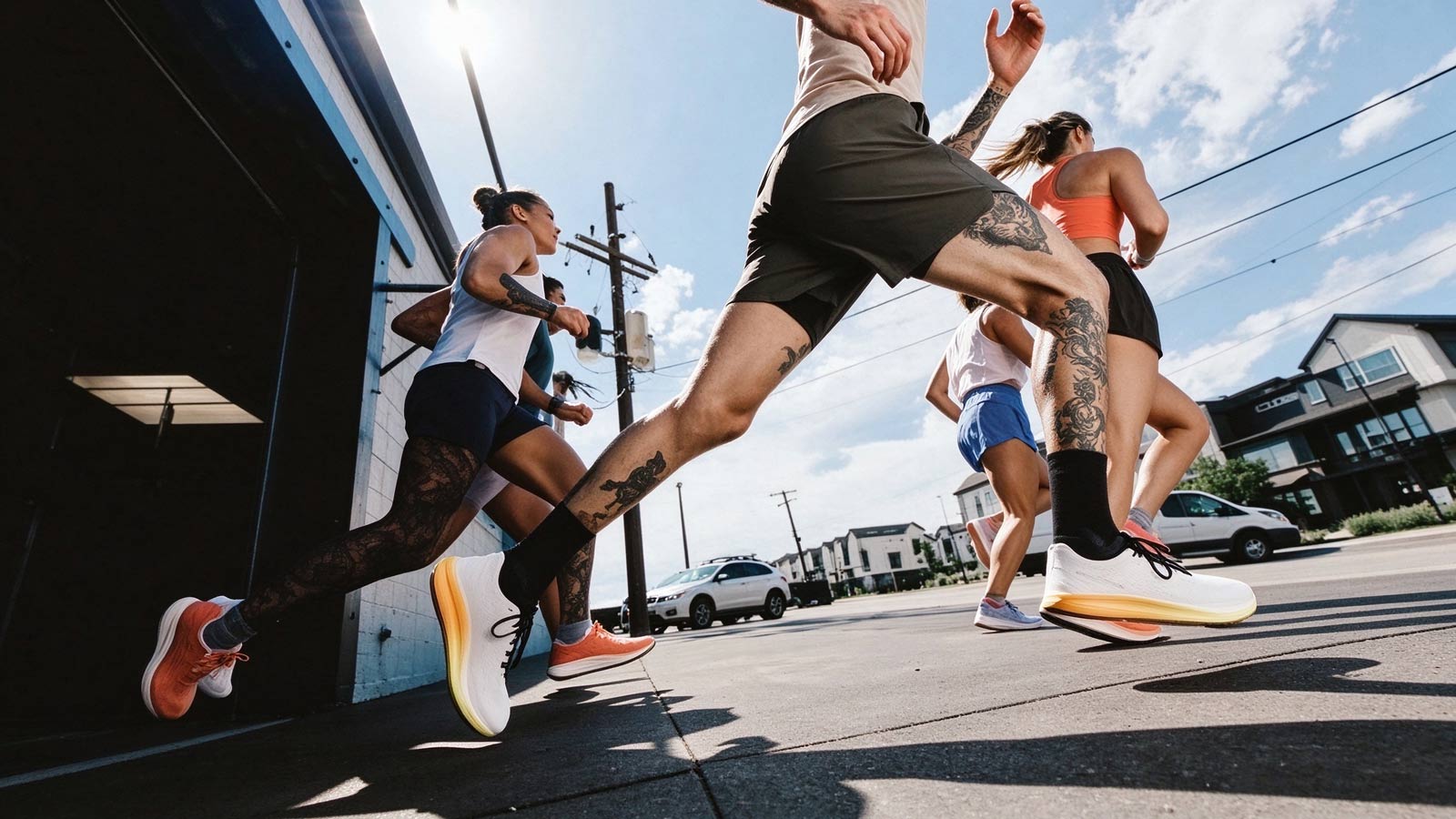
Official homepage: https://www.altrarunning.com
Altra built a global running brand by melting other companies' shoes in a kitchen appliance.
Golden Harper never planned to start a shoe company. He managed his family's running specialty store in Orem, Utah, where slow-motion video analysis of customers revealed something troubling: people's running form deteriorated in traditional elevated-heel shoes. His solution — cutting shoes open in a toaster oven and rebuilding them flat — became the cushioned zero-drop category, a term he coined himself. This review traces Altra from that kitchen experiment through its 2018 sale to VF Corporation to its Shopify storefront today, examining the technology, the science, the controversies, and who actually benefits from a foot-shaped toe box.
A Shoe Store in Utah, a Toaster, a Theory
The origin of Altra is a rare case of a brand born from injury data rather than marketing. Harper's father, Hawk Harper, had destroyed his knees playing college football and learned to run with low-impact, midfoot-striking form — a technique he taught at the family store, Runner's Corner. Golden grew up watching customers get hurt in the very shoes the store sold them.
In the late 2000s, Harper began filming customers in slow motion and confirmed the pattern: barefoot or in racing flats, runners landed lightly under their bodies; in conventional shoes, they over-struck on their heels with straighter knees. His kitchen experiments — removing heel foam at 275 degrees Fahrenheit — produced the first cushioned flat shoes, and roughly a thousand store customers tested modified pairs and reported improvements in shin splints, IT band issues, and runner's knee.
The Coined Term That Changed Running Vocabulary
During one modification session, a local shoemaker measuring a sanded-down prototype announced the heel-to-forefoot difference had reached zero millimeters — it was "dropping zero." Harper immediately adopted the phrase, and "Zero Drop" became both a trademark and the name of an entire category that competitors later borrowed for their own barefoot-style lines.
The distinction Harper insists on matters for shoppers: zero drop describes cushioning balance, not minimalism. Altra shoes are typically well-cushioned — the point is that the heel and forefoot sit at the same height so the shoe stops fighting natural foot position. That philosophy separates the brand from both maximalist rivals and barefoot purists.
FootShape Toe Boxes and the Bunions Problem
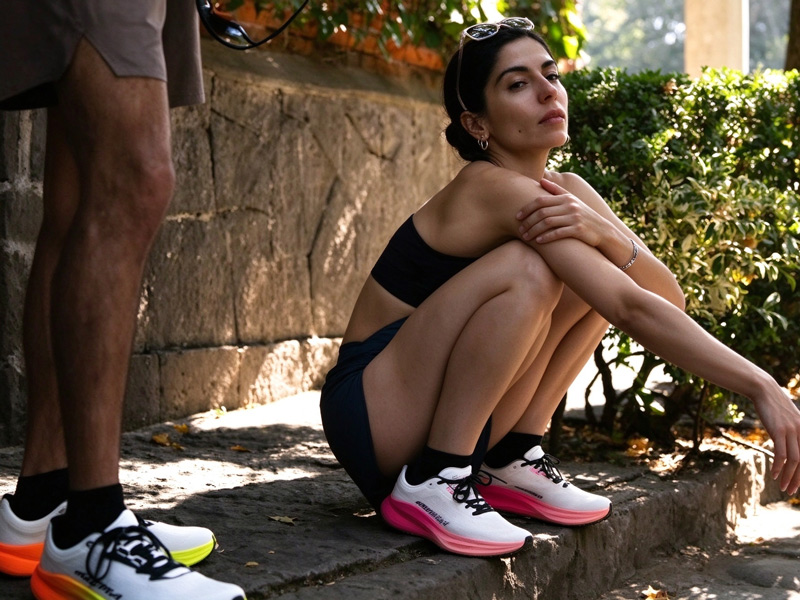
The second pillar of Altra's design is FootShape — a toe box sculpted to an actual human foot rather than the tapered "torpedo" shape of most running shoes. The family store had spent years fitting shoes a size too large with loose lower laces to relieve customers' bunions, neuromas, and plantar fasciosis, and Harper concluded the shoe shape itself was the problem.
For runners with wide forefeet, the effect is immediate: toes splay naturally, balance improves, and hot spots at the pinky toe largely disappear. Critics counter that the roomy fit feels sloppy at speed for narrow-footed runners, and the aesthetic — unmistakably wide — has been described as anything from duck-like to liberating. The fit question is genuinely personal, which is why fit guidance matters more here than with most brands.
Lone Peak and the Trail Running Takeover
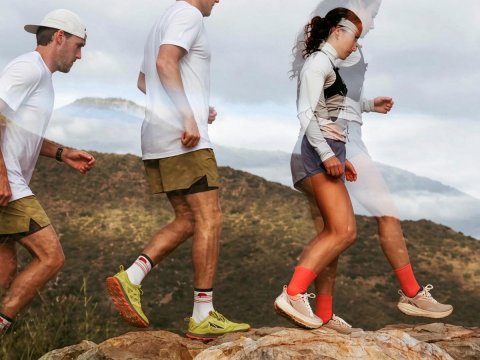
Altra's cultural stronghold is trail and ultrarunning, and the shoe that built it is the Lone Peak, named for a mountain in Utah's Wasatch Range. Introduced in 2011 as one of the first cushioned zero-drop trail shoes, it became the default sight at ultramarathon start lines — dozens of pairs visible in any given race field, often on runners who switched after nothing else worked.
The flagship store carries the full trail family alongside road lines like the Escalante and Torin, plus apparel and accessories. For trail runners, Altra's grip compounds and gaiter attachments round out a package that premium rivals now imitate but rarely undercut on price-to-durability.
Doubling Sales Until the Giants Came Calling
The business trajectory was steep: Icon Health & Fitness acquired the young brand in March 2011, revenue doubled year over year through the mid-2010s, and growth hit 300 percent in 2013 as distribution expanded internationally. In June 2018, VF Corporation — owner of The North Face, Vans, and Timberland — completed its acquisition of Altra, reportedly around $130 million.
Corporate ownership brought scale, retail shelf space, and REI distribution, but it also created the familiar tension visible to brand loyalists: the founders remained as employees, yet product decisions now answer to a portfolio. So far the core identity — zero drop, FootShape, the trail focus — has survived the transition, and the dedicated brand storefront still operates as a full-fidelity destination on Shopify.
Fit4Her and Gender-Specific Lasts Done Right
One genuinely differentiating program is Fit4Her, Altra's women-specific fit line. Rather than shrinking and pinking men's models, the brand builds women's shoes on gender-specific lasts reflecting documented differences in foot shape — narrower heel, higher instep, different forefoot proportions. Altra claims to be the only major running brand with a full female-specific fit approach across its line.
For women runners who have long sized up in men's shoes to get toe room, the program solves a real problem, and it reflects the same injury-driven logic that founded the company: fit the actual foot, not the convention.
Buying Direct Versus the Specialty Retail Channel
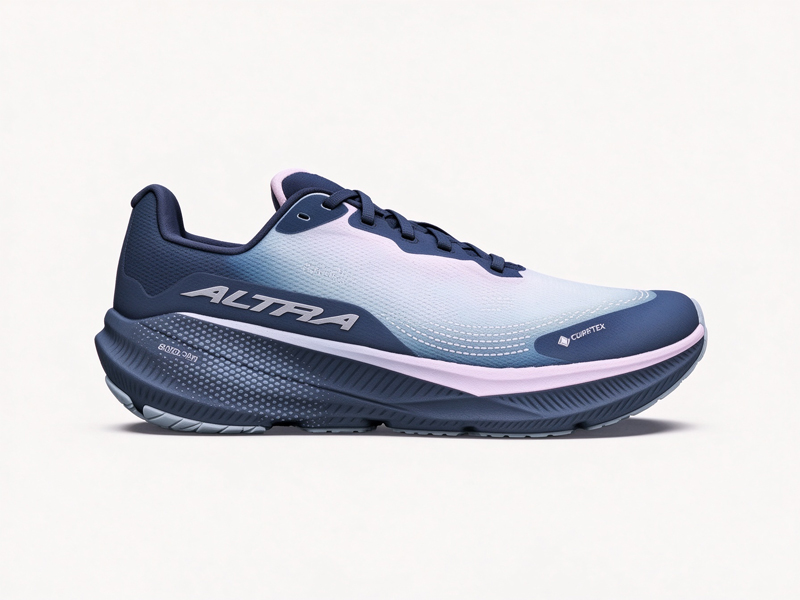
The Shopify store offers the full catalog with the usual direct-to-consumer perks — complete size runs, trail and road filters, loyalty incentives — while the brand simultaneously maintains deep specialty retail and big-box distribution. Runners benefit from the overlap: fit-critical shoes like these reward an in-store try-on, while seasonal colors and web exclusives reward buying direct.
Pricing sits in the mainstream premium running band, with frequent sales that make the direct storefront the value play for patient shoppers. Availability is rarely an issue in North America, though international buyers face more limited distribution than the footwear giants.
Criticism, Transition Injuries, and Honest Caveats
The honest review must include the caveats. Transitioning to zero drop loads the calves and Achilles differently, and most runners need a gradual adjustment period — Harper's own early surveys documented roughly three weeks of calf tightness in traditional cushioned shoes. Runners who switch too fast invite the very injuries the design is meant to prevent.
Broader criticism has come from podiatrists who note that no shoe eliminates injury risk and that individual biomechanics matter more than philosophy. The brand's own research is persuasive but not definitive science, and some traditionalists still dismiss the zero-drop movement as clever marketing. The fairest reading: for a large subset of runners with forefoot and fit problems, the design logic is sound and the testimonials are abundant.
The Runner Altra Fits Best Today
Today's Altra customer is typically a trail or ultra runner, a wide-footed road runner, or an injury-frustrated athlete who has cycled through orthotics and traditional shoes without relief. It is less suited to narrow-footed speedsters chasing race-day minimalism, and heel-strikers who have no complaints should probably not fix what is not broken.
The verdict from a decade of market evidence: Altra turned a kitchen experiment into a legitimate footwear category, survived corporate acquisition with its identity intact, and remains the default answer to the question every specialty store hears — what do you have that is actually shaped like a foot?