Bala, second skin: how a $50 bracelet outgrew the dumbbell aisle
Official homepage: https://shopbala.com
Fitness stores usually sell equipment. Bala sells permission to leave the equipment aisle entirely — a one-pound bracelet that looks like jewelry, works like a dumbbell, and turned the most mocked accessory of the 1980s into the defining wearable of the home-fitness decade. The Los Angeles company, founded by a yoga instructor and an advertising creative director on the back of a backpacking trip through Bali, launched on Kickstarter in 2018, survived an inventory crunch famous enough to become its Shark Tank pitch, and then watched its episode air in March 2020 — two weeks before the world locked down and turned every living room into a gym. Revenue multiplied tenfold in a year. Reese Witherspoon posted the bangles; Kim Kardashian followed; Vogue named them among the items that defined 2020. Today Bala is a roughly thirty-million-dollar-a-year brand selling kettlebell-shaped Bells, a Pilates method, workout subscriptions, and collaboration bracelets in Dunkin' donut colors that sell out in hours. I went through the bidding war, the pricing audacity, and the Velcro complaints. Here is the store across its dimensions.
Yoga, Advertising, and a Backpacking Trip Through Bali
The origin is a burnout story with a design ending. Natalie Holloway, a certified yoga instructor, and Max Kislevitz, a brand director at the advertising agency 72andSunny who had worked on campaigns for Starbucks and Google, took a gap year through Southeast Asia and kept their yoga practice alive on the road. Back home, Holloway wanted the resistance of weights without the interruption of holding them — and both founders kept circling the same insult: the wrist and ankle weights of the era looked like medical equipment from a forgotten decade. Their redesign — eight silicone-coated cast-iron bars bound in athletic elastic, a soft pebble-shaped form in blush, sage, and charcoal — was engineered to be seen, not hidden. Ten thousand dollars of their own money and a Kickstarter that sailed past its goal funded the first run; Goop and Shape noticed before the sharks did.
A Bidding War Won by a Tennis Legend
The Shark Tank chapter is the brand's founding myth retold in every profile. Holloway and Kislevitz asked for four hundred thousand dollars for ten percent; the panel's interest ignited a rare five-way bidding war that Kevin O'Leary opened with a loan offer, Lori Greiner countered with five hundred thousand, and guest shark Maria Sharapova — who understood the product the way only a professional athlete could — insisted on partnering with someone. The founders held their valuation, countered at nine hundred thousand for thirty percent with two sharks, and Mark Cuban took Sharapova's hand. The deal closed on camera in March 2020; two weeks later, the pandemic converted the entire country into Bala's target market, and revenue jumped from two million to twenty million dollars in a year. The numbers they had pitched — twelve dollars landed cost, twenty-five wholesale, forty-nine retail, a blended margin above fifty percent — turned out to be conservative.
The $49 Bracelet Against the $10 Dumbbell
The honest pricing ledger begins with arithmetic anyone can do. Two pounds of resistance, in any ordinary form, costs about ten dollars; Bala's version costs forty-nine to sixty-five. What the premium buys is not resistance but compliance — the difference between equipment you use and equipment that lives in a closet. Reviews consistently land on the same findings: the bangles are so comfortable you forget them, the velcro allows a genuinely custom fit, and the sweat-resistant silicone coating survives daily wear; one tester noted that errands become workouts without ever feeling like exercise. The case against is equally consistent: for pure resistance training, the dumbbell still wins per dollar, and the bangles' light loads build endurance and tone rather than strength. The product's four-point-nine-star average across nearly two thousand storefront reviews suggests the compliance argument is winning.
Dunkin' Donuts Colors and a Pilates Empire
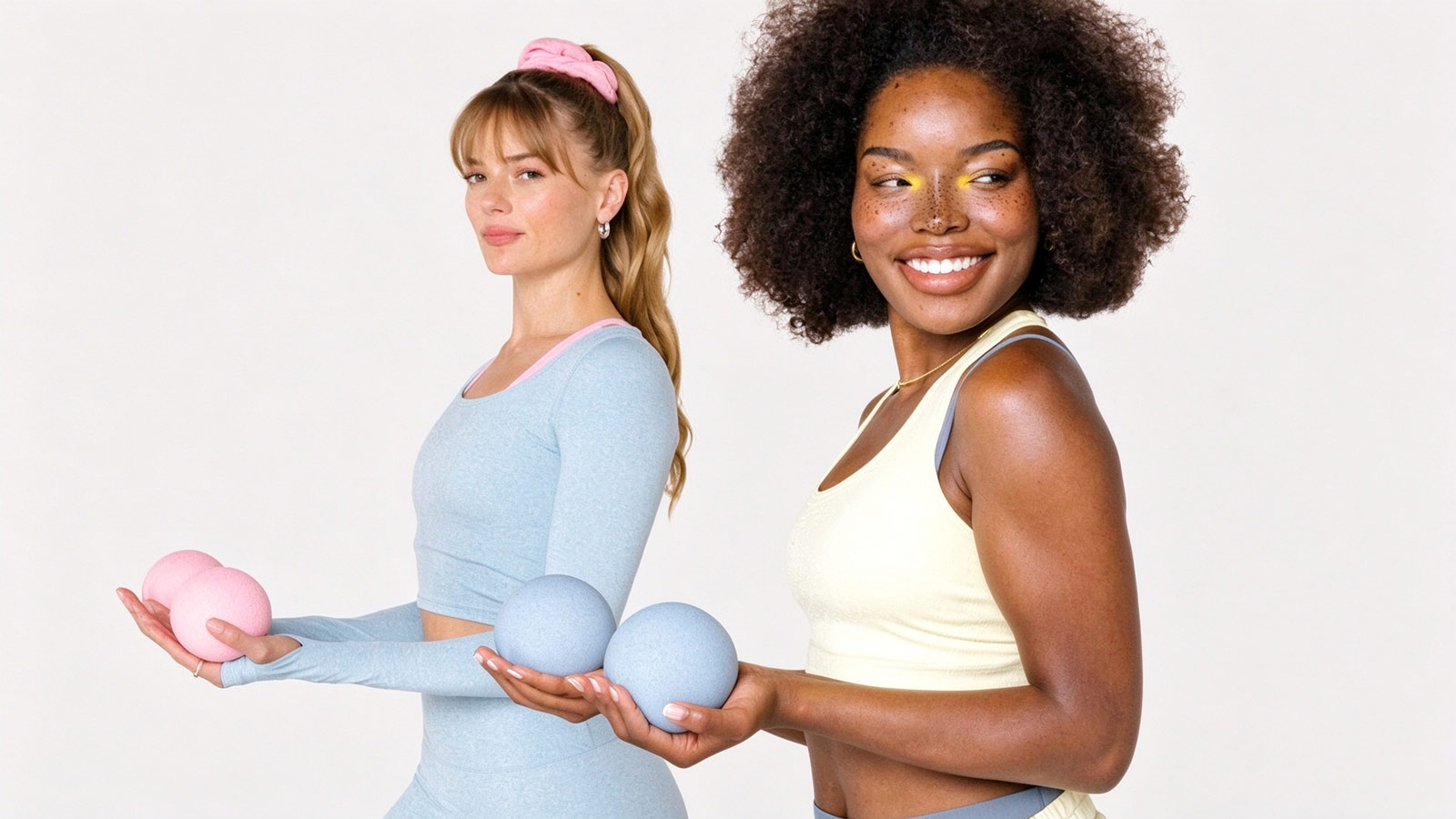
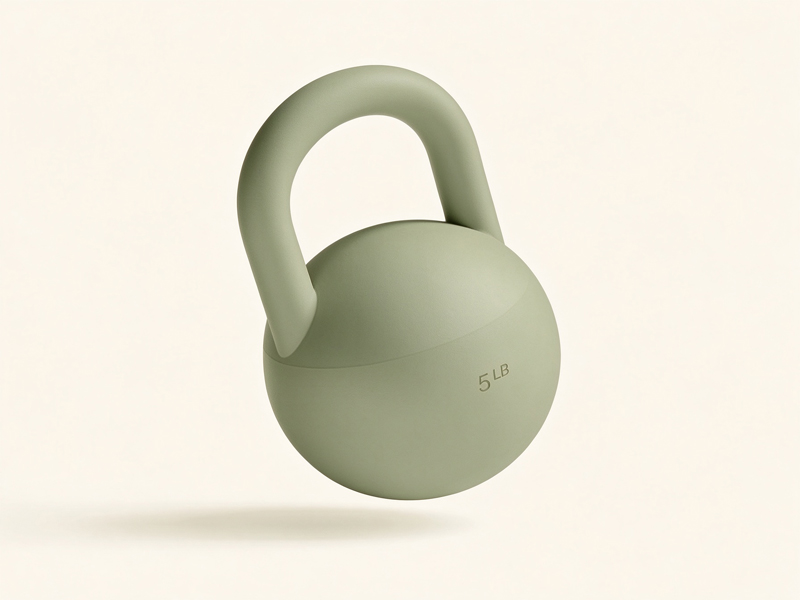
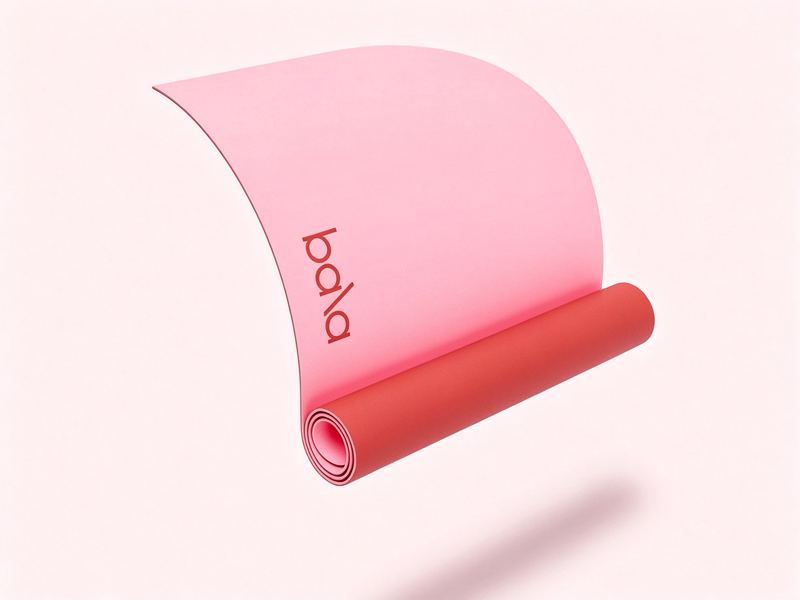
The expansion strategy has become the story. Around the flagship bangles, Bala now sells Beam bars at fifteen pounds, Power Rings at ten, Play Mats, sliders, apparel under a Bend by Bala label, and — as the current homepage hero — Bala Bells, a soft-edged kettlebell line from two to twenty pounds with the slogan Get Pumped. The collaboration machine runs on fashion-world logic: Kate Spade patterns, Ralph Lauren styling, Pucci prints, Spanx and Vuori partnerships, a Dunkin' drop in frosting pink and glazed-chocolate colors, and a Pilates Method program with dedicated props. Most limited editions sell out, which either proves the scarcity strategy or strains it, depending on your patience for sold-out banners. Behind it all sits Balacize, a subscription workout platform with thousands of classes built around the gear — the recurring-revenue play that turns a hardware purchase into a membership.
Velcro That Reviews Say Loosens When You Sweat
The critique file is short and physical. The hook-and-loop strap that makes the bangles infinitely adjustable loosens during sweaty high-movement sessions, and multiple owners report needing to re-tighten mid-workout or watching a bangle slide down an ankle during jump-heavy routines. The silicone coating, while sweat-resistant and wipeable, attracts lint and pet hair with enthusiasm. And the light-weight philosophy that makes the product accessible is the same ceiling that sends serious strength trainees elsewhere. None of these are deal-breakers at a fifty-dollar price point; all of them are true.
Thirty Days, Five Dollars, and Final-Sale Heavyweights
The policy stack is retail-standard with three teeth worth knowing. Returns run thirty days with a five-dollar restocking fee and non-refundable shipping; a thirty-to-forty-five-day window offers store credit instead; and the heavy hitters — Beams, Mats, Kettleballs, Power Rings — are final sale due to shipping economics, as is the Bottle for sanitary reasons. The standout mechanic is Instant Refund: during the return flow, the store can issue a temporary gift-card balance equal to your return value, letting you reorder immediately while the warehouse inspects the original item — a conversion-preserving trick that feels generous until you notice it also keeps your money in the Bala ecosystem. Damage must be reported within forty-eight hours of delivery to qualify for a refund.
From Product Drops to Workout Subscriptions
The business model has evolved from selling objects to selling a movement practice — hardware as the gateway to Balacize classes, celebrity partnerships as the acquisition engine, and color drops as the retention loop. The charity thread runs through it quietly: a Pibble Purple bangle sends one hundred percent of profits to animal rescue. With a thousand-plus retail doors from Nordstrom to Dick's Sporting Goods, the direct store functions as the full-catalog shelf and the collab lottery, while Amazon absorbs the commodity demand.
Worth It If You Want to Sweat in Style
Bala is the rare fitness brand that won the argument it started: the dumbbell is cheaper, stronger, and uglier, and none of that mattered, because Bala understood that the hardest part of fitness equipment is not the fitness — it is the wearing. Buy the one-pound bangles if you walk, do yoga, or chase toddlers; buy the Bells if you want Bala's design language with actual load; skip the heavy final-sale items until you know the habit sticks; and treat the subscription as optional until the free class proves otherwise. The bracelet that outgrew the dumbbell aisle did it by being the thing you never take off — and at fifty dollars, that is either a bargain or a bracelet, depending on whether you actually wear it.