Ayaneo's pocket PC arcade: retro bricks, flip screens, crowdfunded beginnings, limited transparent shells
Official homepage: https://store.ayaneo.com
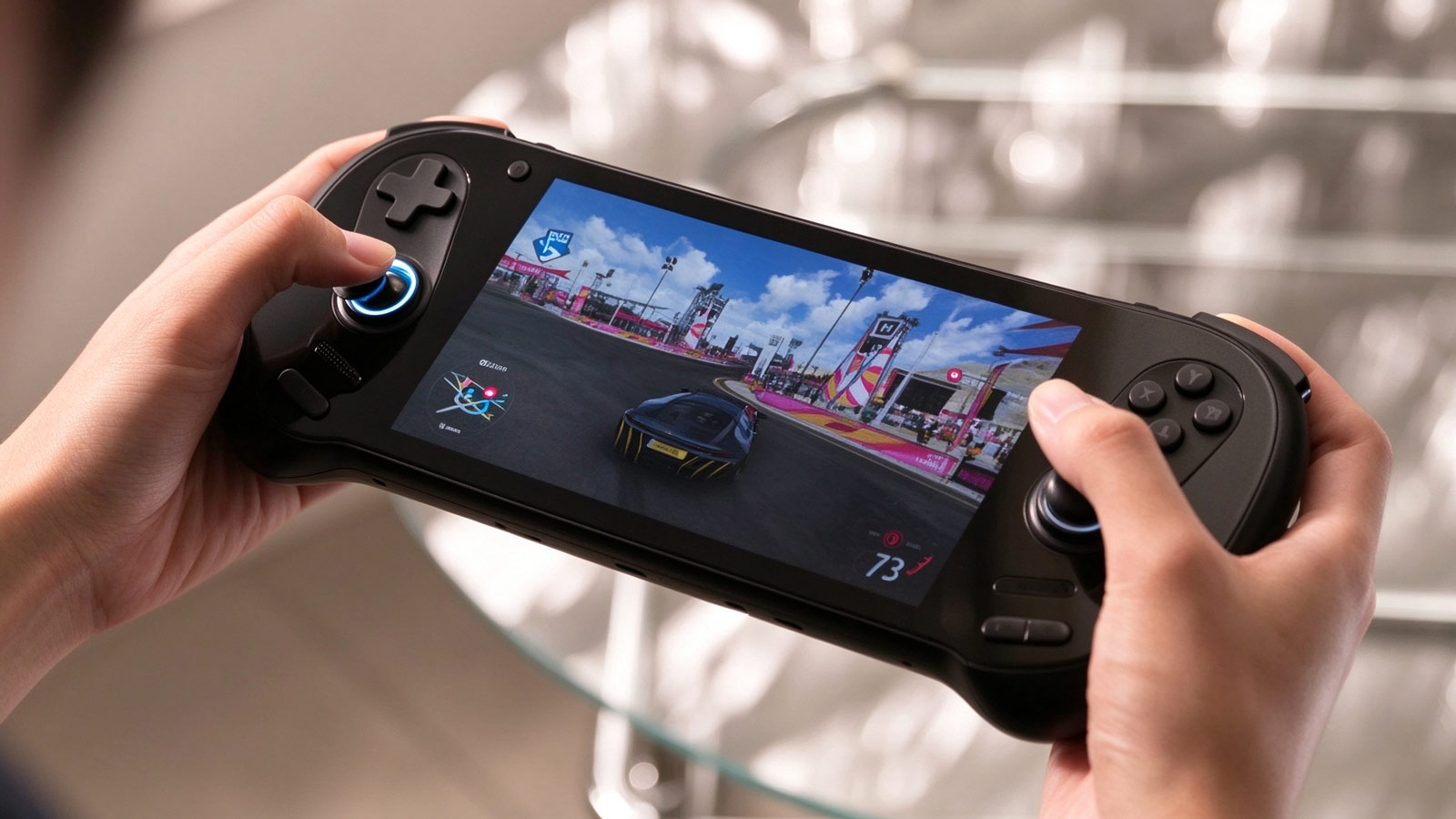
Computer stores usually sell you a box that sits on a desk. AYANEO sells a box that fits in both hands — the store's entire premise is that the PC, the most open gaming platform ever built, does not have to stay at home. I browsed with a Steam library full of games I never play because the desk is where work happens, and a curiosity about why the pocket computer keeps being reinvented by small companies instead of giants. Here is the counter, decision by decision.
Door Policy: The Library in Both Hands
The storefront's founding argument is portability without compromise — full Windows gaming, every storefront, every mod, every emulator, running on hardware smaller than a paperback. Framing the store around the whole library rather than specifications targets the gamer who already owns the games: the machine is not a new platform to invest in but a new door for an existing collection, and the pitch writes itself the moment she imagines her backlog on a train. The door opens onto a room she already lives in — the store merely hands her the key.
A Retro Brick With Modern Guts
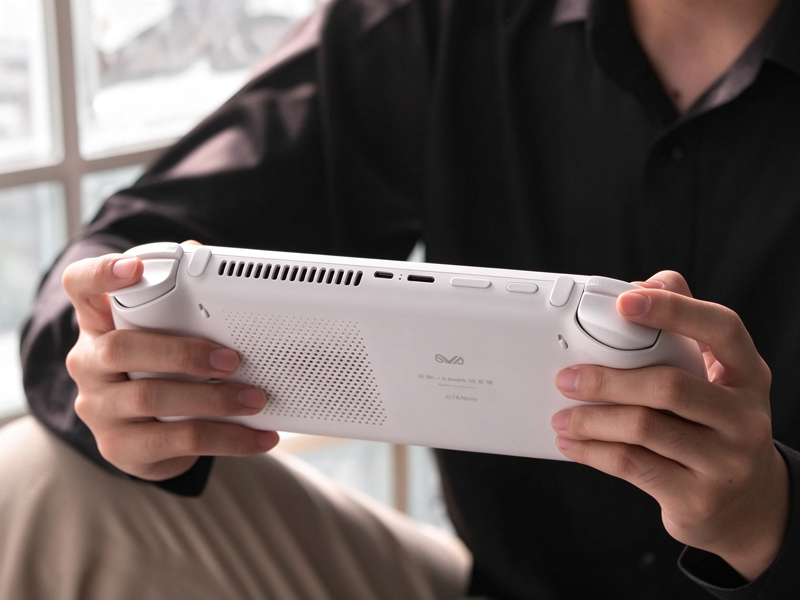
The most photographed product is a vertical slab — screen above, controls below — a deliberate echo of the handhelds a generation grew up on, dressed in aluminum and running software from four decades of gaming. Producing a nostalgia form factor alongside modern ones targets the collector as much as the player: the retro shell triggers the memory, the modern internals justify the purchase, and the combination yields a device equally at home in a display case and a jacket pocket. The past is the hook; the present is the hardware; the wallet cannot tell them apart.
A Form-Factor Laboratory
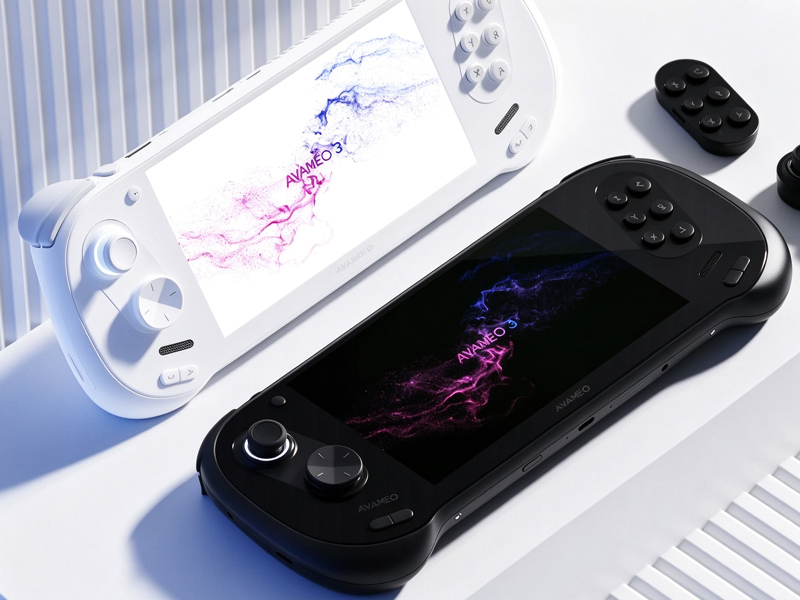
Beyond the retro brick, the catalog reads like a series of experiments — a flip model with a second screen, a large-format model approaching tablet size, the standard slab in escalating materials. Shipping every shape and letting enthusiasts argue the merits turns product development into public theater: reviewers compare forms, forums take sides, and the argument itself becomes the marketing the way a race sells cars. The laboratory does not wait for the market to choose; it sells tickets to the experiment, and the experiment never closes.
Transparent Shells and Limited Runs
Several models appear in see-through housings, circuitry displayed under clear plastic, with limited colors announced in small batches. Limited transparent editions target the collecting instinct: the clear shell shows off the engineering the way an exhibition case back shows off a movement, and the limited batch converts a purchase into an event with a closing date. The device becomes a collectible the moment the company says there will not be many, and the scarcity is manufactured honestly enough that nobody resents it.
Crowdfunded Beginnings, Enthusiast Roots
The company's origin is written into its cadence — early machines were funded by community pre-orders, and the community's feedback still shapes the products. Founding through crowdfunding created a customer base of co-owners: the backers who funded the first units became the reviewers, the forum regulars, and the repeat buyers, and their loyalty is not to a brand but to a shared bet that paid off. The community is not the audience; it is the co-author, and it writes the reviews the store would otherwise have to buy.
A Hong Kong Address on the Footer
The footer prints the operating company in full — a Hong Kong entity with a Causeway Bay address — and nothing more decorative than that. Publishing the corporate identity plainly targets the buyer wary of gray-market electronics: the address is real, the entity is named, and the warranty route is legible, which matters more for a small-batch importer than for a household brand. The footer is the quietest trust signal on the site, and quiet signals are the ones careful buyers believe.
Small Batches as Rhythm
The release pattern follows the enthusiast calendar — a model ships, a batch sells, a restock is announced, a new variant follows. Running small batches rather than permanent inventory turns working capital into marketing: the sold-out notice is not a failure but evidence of demand, the restock announcement is an event the community forwards, and the cadence keeps the catalog perpetually newsworthy. Scarcity, managed honestly, becomes the store's heartbeat — and the heartbeat is the brand.