Apollo neuro, wired differently: the psychiatrist's vibration band dividing the sleep world

Official homepage: https://apolloneuro.com
Wearable stores usually track your body and leave the fixing to you. Apollo Neuro claims to skip the tracking entirely and go straight to the fixing: a small pod you wear on wrist, ankle, or clothing that delivers silent vibration patterns — its founders call it touch therapy — intended to coax an over-alert nervous system toward calm, deeper sleep, and steadier focus. The Pittsburgh company, founded in 2017 by a board-certified psychiatrist and neuroscientist and his wife, who runs the business, arrived from a decade of university research on chronic stress and PTSD rather than from a hardware incubator. A decade on, Apollo sits at the center of the wearable world's loudest argument: one camp cites its peer-reviewed trials and calls it the most scientifically grounded wellness device on the market, the other calls it a four-hundred-dollar placebo with a subscription attached. Both camps have evidence. I went through the science, the subscription math, and the service record. Here is the store across its dimensions.
A Psychiatrist's Lab at the University of Pittsburgh
The origin is clinical rather than commercial. Co-founder Dr. David Rabin spent years at the University of Pittsburgh studying chronic stress, trauma, and the nervous system's threat-response loops, searching for non-pharmaceutical ways to help patients feel safe enough to sleep and recover. The insight that became Apollo was borrowed from the oldest medicine there is: the calming power of touch — a long hug, a hand on the shoulder — which measurably slows heart rate and breathing. The wearable attempts to deliver that signal through engineered vibration rhythms, manufactured in the United States and positioned from day one as a nervous-system tool rather than a fitness tracker.
Gentle Vibrations Claiming to Talk the Nervous System Down
The mechanism, stated plainly, is pattern delivery. You select a Vibe — Energy, Focus, Social, Recover, Calm, Unwind, Sleep, or Power Nap — and the device hums a specific silent rhythm against your skin, which the company says activates touch receptors that communicate with the brain's autonomic regulation centers. An artificial-intelligence layer, SmartVibes, can pair with rings and watches to adjust stimulation in real time during sleep, and the storefront's central claim is that this rhythm helps the body do what it already knows how to do: stand down. The pitch is deliberately humble in one way — no screens, no biometrics, nothing to interpret — and ambitious in another, promising effects that users are told build over weeks of consistent daily wear.
The Largest Real-World Sleep Study on the Homepage
The evidence wall is the brand's strongest asset and its most contested. The storefront leads with what it calls the largest real-world sleep study ever conducted: nearly half a million nights across 935 people over three years, reporting an average of 46 additional minutes of sleep per night, 77 percent lower odds of a short night, and more REM sleep while preserving deep sleep. Independent reviewers acknowledge that Apollo's research base — multiple peer-reviewed studies including double-blind randomized controlled trials, with a 2025 PubMed-indexed study on burnout — is genuinely stronger than almost anything else in consumer wellness. The Verge's influential review drew the counter-line, calling the marketing a case study in the wellness wild west and arguing the scientific veneer outruns the evidence, while a licensed psychologist reviewer concluded the research is real but the effects are subtle and slower than the ads suggest. The honest reading: real science, early-stage for some applications, larger claims than any single user should bank on.
Six Core Vibes, an AI Layer, and a Growing Paywall
The commercial model is where the brand's goodwill gets spent. The device lists at four hundred forty-eight dollars at current retail, with a three hundred forty-nine-dollar bundle that includes a year of the SmartVibes membership; HSA and FSA accounts cover both, which softens the sting for American buyers. The friction comes after year one: the artificial-intelligence features, once described as optional, now sit behind a renewal of roughly ninety-nine dollars a year, and long-time owners complain that modes they used freely at launch have migrated behind lock symbols — one reviewer calculates the three-year cost of ownership at five hundred forty-seven dollars and calls the model aggressive. The company frames the membership as continuously improving software; a meaningful share of the review record frames it as renting your own hardware.
Hardware That Reviews Say Feels Cheaper Than the Price
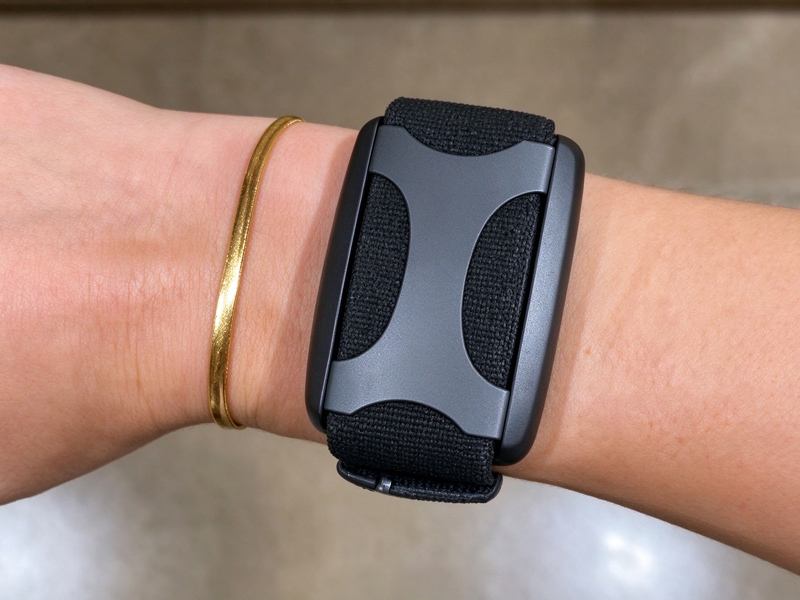
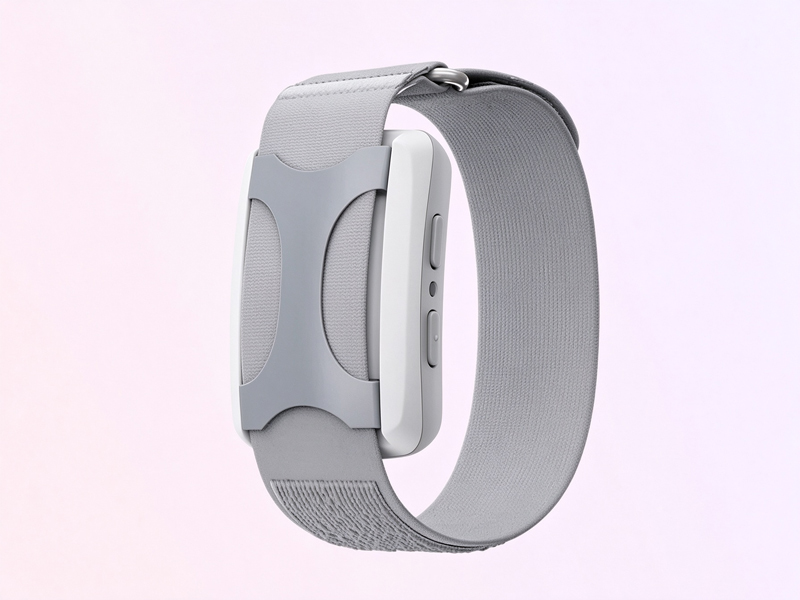
The physical product draws consistent criticism across professional and owner reviews. The pod is a small plastic capsule that multiple reviewers say does not feel like a four-hundred-dollar object — one unprompted owner compared it to something from a gumball machine — and the woven band fastens with hook-and-loop material that loosens with wear, with more than one buyer reporting the device slipping off unnoticed in public and one losing it entirely. The battery is rated at eight to ten hours, which in practice means daily charging for most users, and the charger is proprietary, so a forgotten cable is a dead device. The company has iterated colors, bands, and a clip accessory, and the sleep-band-at-the-ankle configuration earns genuine praise for overnight comfort, but the build quality remains the most repeated complaint in the file.
Thirty Days to Judge a Device That Needs Six
The evaluation window is the store's structural tension. Returns run thirty days from delivery with a full refund minus a ten-dollar return-handling fee, a prepaid label provided and international duties non-refundable — fair terms on paper. But the company itself advises three to four weeks of consistent daily wear before judging results, which means a diligent tester can burn the entire window calibrating the device and only then learn whether it works for them. The unprompted record shows the seam: buyers who request return authorizations describe friendly first responses followed by silence, one accusing the company of stringing her along until the window closed; the policy, to its credit, calculates refunds from the original delivery date even after warranty replacements, which one exchange handled case-by-case when pressed. Buy with the calendar in mind, not just the science.
The Trustpilot Divide Between Life-Changing and Placebo
The reputation split is stark. Regional Trustpilot pages run from three-point-two to three-point-eight stars, and the reviews underneath describe two different products. In one column: a user with progressive multiple sclerosis reporting lower anxiety and pain after years of daily wear, a parent whose child falls asleep faster, a trauma survivor calling it part of a safety plan, an equestrian using Focus while training young horses. In the other: buyers reporting literally no effect, one calling it one hundred percent ineffective, an informal community survey finding roughly four percent of purchasers describing solid clear benefits while many noticed nothing, and about one in ten finding the vibrations actively unpleasant. The Android application scores two-point-nine on the Play Store against four-point-four on iOS, with data corruption and connection complaints that support could not fix. The company replies to nearly every review politely and publicly; the pattern of ghosting mid-resolution appears mostly when the interaction moves to email.
Worth It Only with Patience, Consistency, and an HSA Account
Apollo Neuro is the rare wellness wearable where the research is real, the believers are fervent, and the skepticism is equally earned — a device that genuinely helps a meaningful minority, quietly does nothing for many, and asks four hundred dollars plus a subscription before you learn which group you are in. Buy it only if sleep or anxiety is your primary problem, you already own a ring or watch that can verify changes, you can commit to a month of daily three-hour wear, and the HSA eligibility softens the price — then set a calendar reminder for day twenty. If you expect obvious effects the first night, spend the money on a mattress topper instead; if you are the person it works for, you will join the reviewers who call it the best health purchase they ever made. The nervous system, like the store, rewards the patient and frustrates everyone else.