Anbernic's retro arcade: game-boy bricks, ds dream clamshells, linux-android forks, seventy-five shelves spinning
Official homepage: https://anbernic.com
Computer stores usually sell one computer, configured to order. Anbernic sells a museum of them — seventy-five devices at last count, arranged not by specification but by shape, and every shape is a tribute: the vertical brick of the eighties, the folding clamshell of the two thousands, the wide slab of the portable console's golden age. I browsed with a drawer full of original cartridges my current machines can no longer read and a nostalgia the store seemed engineered to monetize. Here is the counter, decision by decision.
Door Policy: The Shape Is the Shelf
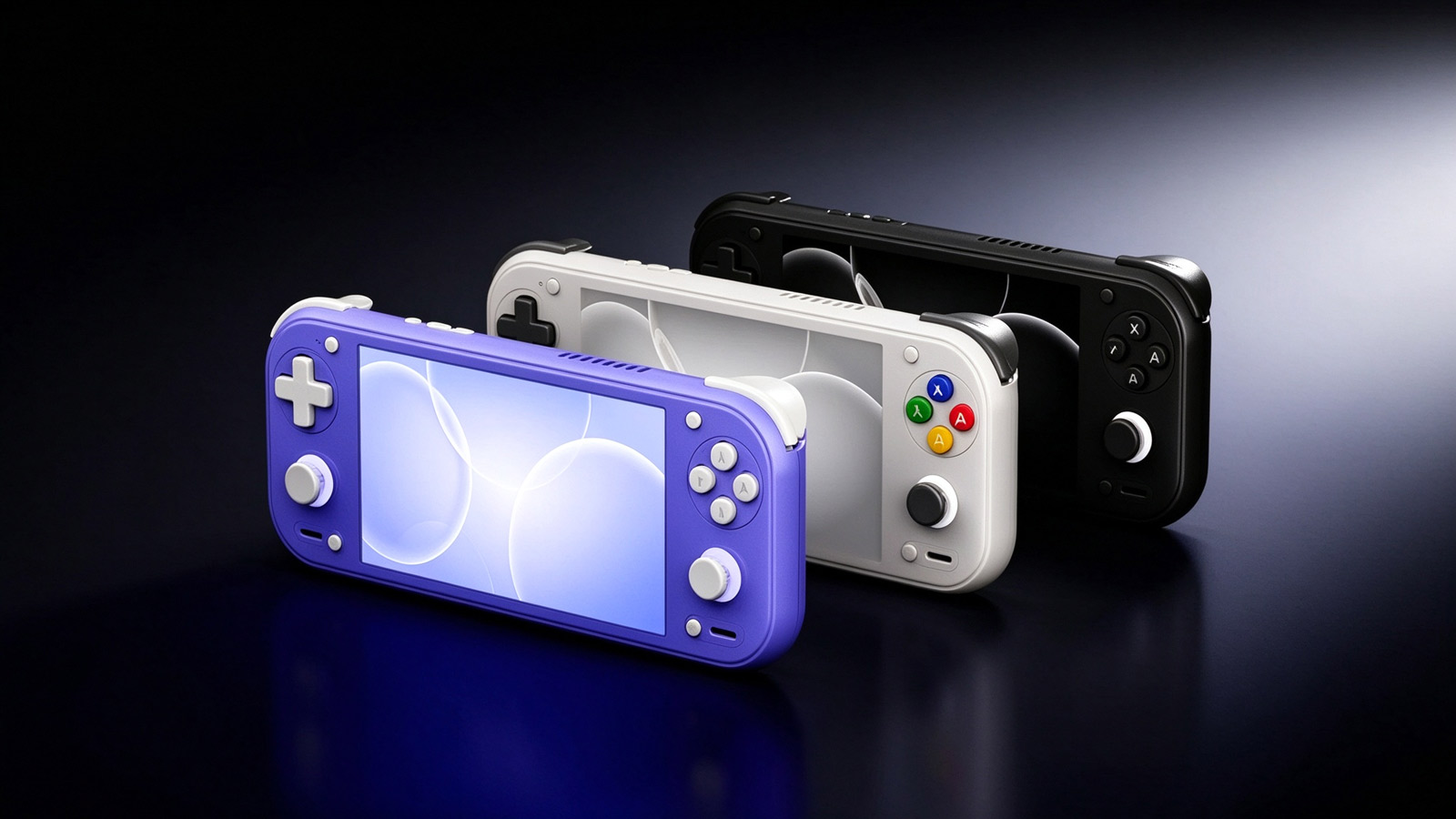
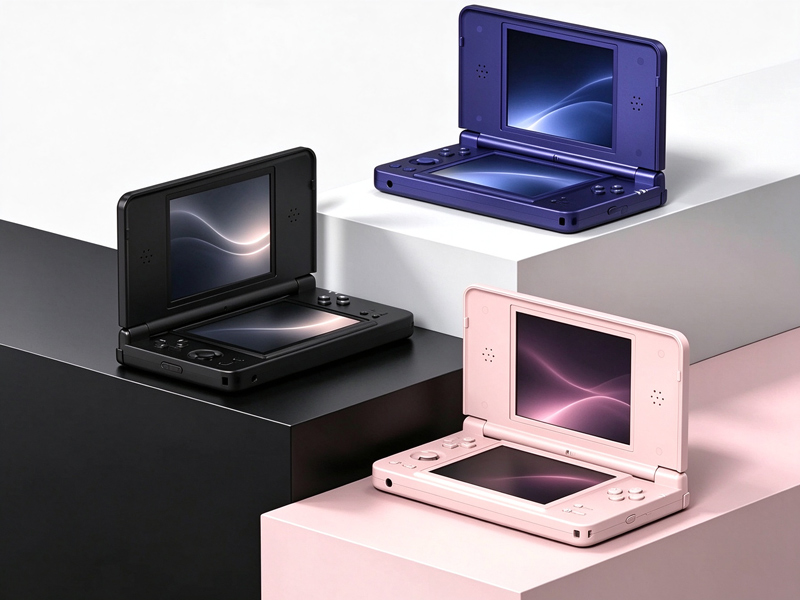
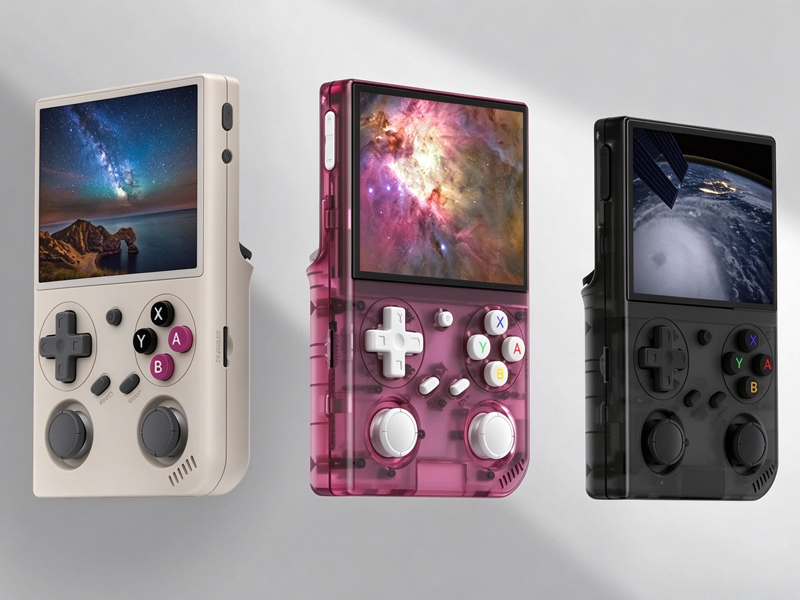
The catalog organizes by silhouette rather than by spec — vertical bricks, dual-screen folders, horizontal slabs, compact candy bars — and the copy on each card describes the experience in terms of which classic machine it resembles rather than which processor it hides. Organizing a computer store by industrial-design nostalgia targets the buyer who does not know a chipset from a candle but remembers exactly what his hands held in 1994: the shape finds the memory, the memory finds the credit card, and the specifications arrive afterward as reassurance. The silhouette is the sales pitch; everything else is fine print.
Seventy-Five Devices, One Factory Cadence
The all-products page scrolls like a release calendar — new models arriving monthly, each numbered in the company's serial naming convention, older units sliding into sale banners as successors arrive. Running a seventy-five-SKU catalog with monthly refresh cycles keeps the enthusiast community reviewing, comparing, and upgrading: the customer who bought the vertical brick in spring finds the folding clamshell by autumn, and the catalog becomes a subscription renewed through desire rather than necessity. The lineup is not a list; it is a rhythm, and the rhythm is the brand.
Two Operating Systems as Two Audiences
Beneath the shapes, the catalog forks by software: one line runs the lightweight system optimized for classic emulation, the other runs full mobile software with AI assistance and modern gaming services. Splitting by operating system sorts customers by intention — the purist who wants pixel-perfect retro and the tinkerer who wants a pocket computer — and each audience finds its church without reading a single benchmark. The brick is for the past, the slab is for the present, and the store sells both without asking the customer to choose a religion. The fork doubles the market without doubling the factory.
Pixel-Perfect Screens as a Philosophy
The product copy repeatedly invokes pixel-perfect scaling — three-times integer multiplication, displays laminated and sized so classic games render without blur, without stretching, without the smoothing filters modern displays impose on ancient graphics. Treating integer scaling as a headline specification targets the purist who notices when a sprite smears: the screen is measured not in resolution but in faithfulness, and the store promises the games will look the way memory insists they did. The pixels are the promise; everything else is engineering; faithfulness is the spec sheet.
Cases Measured to the Millimeter
The accessory shelf is a wall of fitted cases — each numbered for a specific model, each printed with exact dimensions, each priced under twenty dollars. Selling a bespoke case for every one of the seventy-five machines addresses the collector's anxiety: the eighty-dollar device gets a nine-dollar home measured to the millimeter, the case becomes the object's permanent address, and the impulse buyer returns within a week. The accessory is not an upsell; it is the catalog admitting its own fragility, and the admission builds the second sale.
Sale Banners as the Store's Pulse
The homepage when I visited wore a sale banner — maximum twenty percent off, limited stock, lightning graphics crackling around the reduced units. Running a perpetual discount culture on a fast-moving catalog targets the fence-sitter: last month's model is suddenly cheaper, the new model will replace it soon, and the store teaches that waiting has a price and buying has a discount. The sales are not events; they are the store's heartbeat, and the customer learns to read the pulse and time her purchase to it.
Pre-Orders for the Next Shape
At the front of the catalog sits a product not yet shipping — a folding dual-screen unit on pre-order, specifications beside a countdown, stylus stored in its hinge. Taking pre-orders on unannounced hardware funds the factory run and tests the shape's appeal before a single unit ships: pre-ordering enthusiasts become the reviewers, the reviews validate the fence-sitters, and the catalog gains a new silhouette with its market pre-assembled. The pre-order is not a sale; it is the museum acquiring its next exhibit, and the members vote with deposits.