We tested versed's bestsellers: what $22 clean skincare actually delivers for real skin
Official homepage: https://versedskin.com
Skincare stores usually make you choose between a price you can afford and a formula you can trust. Versed was founded in 2019 to eliminate that trade — and it chose a deliberately unglamorous way to do it. Conceived by Katherine Power, co-founder and CEO of Who What Wear, inside the Offspring Beauty incubator, the Los Angeles brand was developed from eighteen months of reader surveys, community Facebook groups, and beauty-editor data, then launched into 1,400 Target doors on a single directive: formula first, everything else last. That meant money spent on ingredients and formulation rather than custom packaging and paid marketing, and a founding promise that the products would stay under $20. The result, seven years on, is a forty-plus-SKU catalog carried by Target, Ulta, Amazon, Walmart, and CVS — and a direct storefront where the community that co-created the line still shapes what ships. I went through the bestsellers, the certifications, and the complaint record. Here is the store across its dimensions.
The Thesis: Ingredients First, Everything Else Last
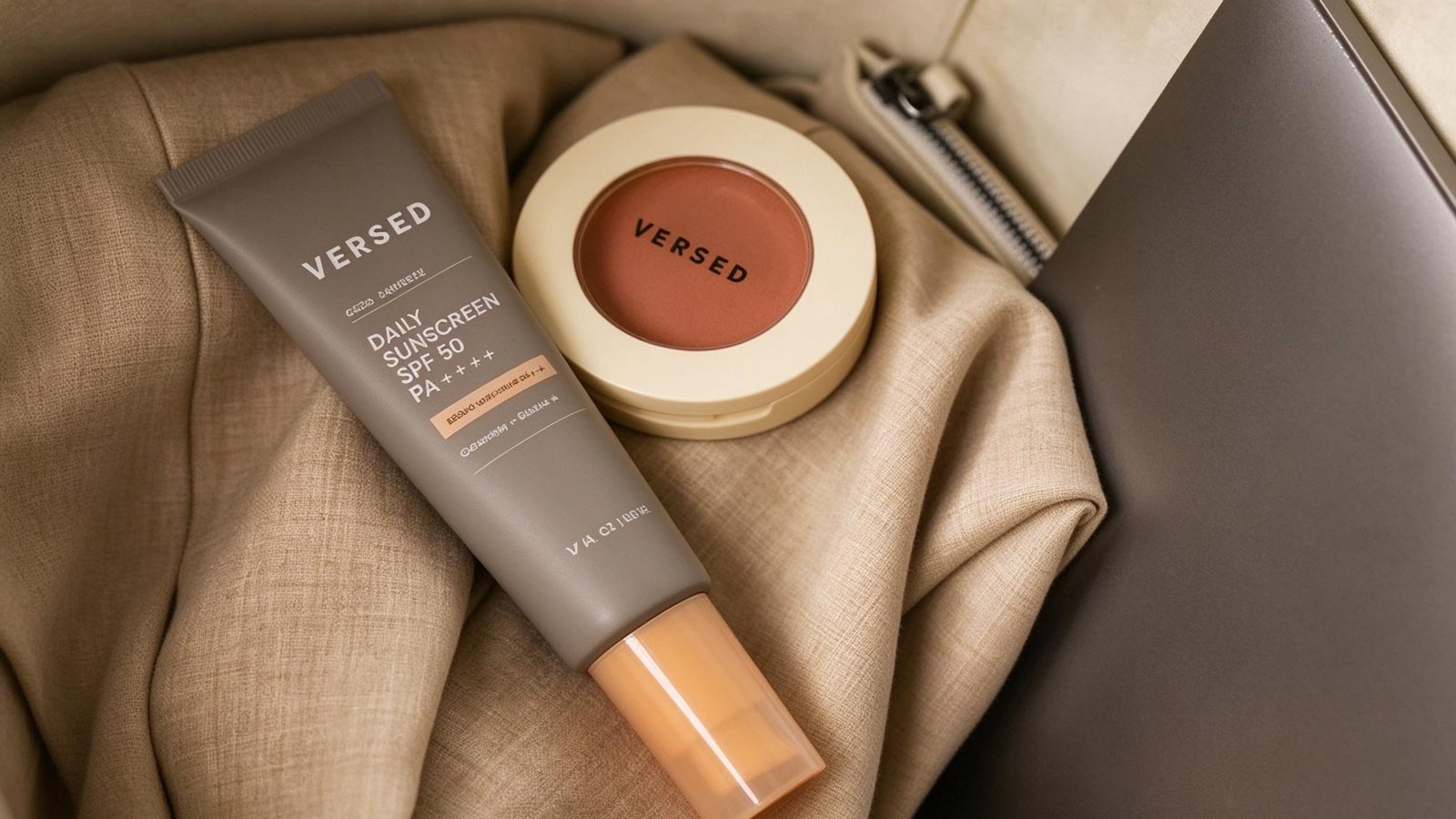
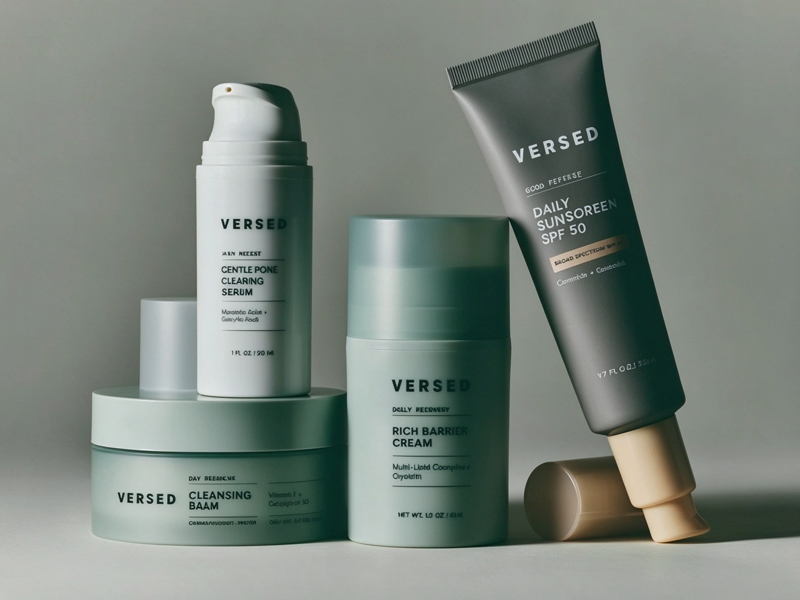
The formula-first philosophy is visible on the shelf. The Press Restart Gentle Retinol Serum delivers encapsulated retinol for under $22; the Weekend Glow Daily Brightening Solution pairs AHA with vitamin C for $17.99; the Day Dissolve Cleansing Balm melts makeup for $17.99; the Guards Up Daily Mineral Sunscreen wears like a moisturizer at SPF 35 for $21.99; and the Doctor's Visit resurfacing mask made the brand internet-famous at $29.99. Every product carries at least one clinically recognized active at a disclosed concentration — formulations reviewers regularly compare to mid-tier brands selling at triple the price.
The Proof and the Plastic
"Clean" claims carry weight only with receipts, and Versed assembles a credible stack: a published ban list of more than 1,350 questionable substances, vegan and Leaping Bunny-certified formulas, dermatologist testing across the line, and formulation to EU standards — stricter than U.S. requirements — on ingredients of concern. Packaging runs on 30 percent post-consumer recycled plastic, FSC-certified paper, and soy-based inks, and the brand claims the first Climate Neutral certification among drugstore-priced lines. Product development remains community-fed: customers vote on concepts and feedback loops feed launches, which is why the assortment feels tuned to how people actually shop rather than how marketers imagine they do.
The Storefront: Built for the Quiz-Taking Generation
The site opens with a skin quiz that routes you to a routine, then keeps the experience editorial and fast: shop by concern (acne, dullness, dehydration, aging), bundles like the Double Cleanse Set, and full ingredient lists on every product page. Customer reviews are embedded throughout, the tone is peer-to-peer rather than clinical, and checkout offers the standard express-pay spread. Nothing here is flashy — and that restraint is the point of a brand that spends on what is inside the tube.
The Deal Stack
Direct pricing starts at the $7-to-$34 band, and the value levers stack quickly: curated bundles beat buying piece by piece, sitewide sales recur, and a free-shipping threshold sits low enough that two products clear it. The deeper play is the community funnel — co-creation access, feedback loops, and a loyalty program — though one persistent reviewer complaint is that loyalty points cannot be applied during sale events, which undercuts the program exactly when shoppers want it most.
The Target Aisle vs. the Direct Counter
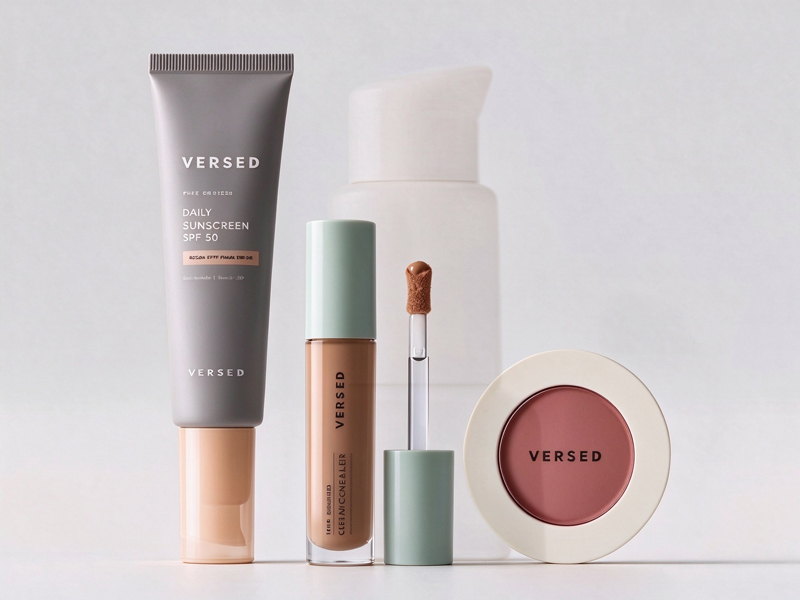
Versed's retail ubiquity is the point: the same formulas sit in Target, Ulta, Walmart, CVS, and on Amazon, which makes it one of the few clean brands you can buy without a specialty retailer. Buying direct adds the quiz, bundles, full community features, and early access to launches. The wrinkle: independent reviewers have flagged price discrepancies — products listing elsewhere above the store's own price, with the brand steering shoppers to the direct site — a tactic that reads as either smart channel strategy or price theater depending on whom you ask.
The Support Ledger and the Honest Complaints
The complaint record is real and worth weighing. Trustpilot reviewers describe international shipping quotes of £17–$20 that wipe out the affordability proposition, slow or unanswered emails during promotions, the loyalty-points-during-sales restriction, and a discontinued mail-back recycling program that now points customers to Target drop-off. Set against that: an equal share of reviewers report fast shipping, quick refunds, and products that converted them from prestige alternatives. The pattern is not a broken store — it is a mass-market one, where service quality varies with volume.
Last Word
Versed is the most disciplined execution of the affordable-clean thesis in the category: real actives at disclosed concentrations, credible certifications, community-driven development, and prices that let a teenager build a dermatologist-tested routine with babysitting money. The trade-offs — service inconsistency, retail price games, and loyalty fine print — are the costs of that discipline. For budget-conscious buyers who want proof rather than promises, the value case is hard to argue with.