UCO gear shop review: everything to know before buying camp lighting gear

Official homepage: https://ucogear.com
Camping stores usually organize by activity — sleep, cook, pack. UCO Gear organizes by a more primitive taxonomy: light, fire, and the tools that serve them. The storefront descends from a company that industrialized the candle lantern half a century ago, and the catalog still carries that invention alongside its modern descendants — LED lanterns, waterproof matches, camp stoves, and knives that the company chose to curate rather than build. I browsed with a nostalgia for candlelight and a healthy respect for the LED that replaced it. Here is the counter, decision by decision.
Door Policy: Fifty Years of Flame
The company dates to 1971 — a half-century of making light in the woods — and the storefront treats the candle lantern as both heritage and inventory, the original design still for sale beside its electronic descendants. Leading with the anniversary rather than the algorithm is provenance aimed at the customer who suspects outdoor gear of being planned-obsolete: the fifty years say the designs endure, the original candle lantern still in the catalog says the company respects its own history, and the customer is buying from a museum that still ships. The flame is the heritage; the heritage is the warranty; and the warranty is fifty years of proof that the flame was never a phase.
The Match as a Technology
Among the products sits an object so ordinary it is usually invisible — the match — except UCO's version is stormproof, engineered to ignite in rain and wind, a fifty-cent technology that took decades to perfect. Treating the match as a flagship is engineering philosophy aimed at the minimalist who counts grams: the match weighs nothing, the stormproofing took decades, and the store has elevated the humblest tool in the kit to a product page of its own. The match is the minimalism; the minimalism is the mastery; and the mastery fits in a shirt pocket, and the pocket is where the minimalist keeps everything else too.
Two Kinds of Light
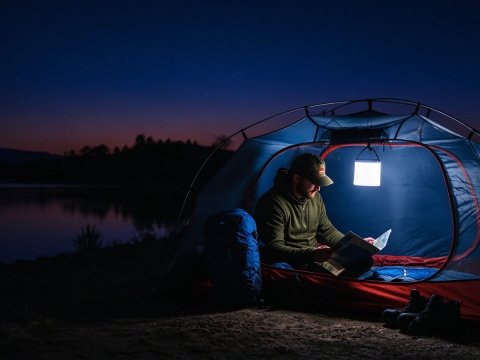
The lantern shelf splits down the middle — candles on one side, LEDs on the other — the warm flicker of the original beside the cold efficiency of the modern. Stocking both is philosophy-inventory aimed at the customer who wants the candle for the tent and the LED for the trailhead: the store refuses to declare a winner, the candle is the ambiance, the LED is the utility, and the catalog serves the mood and the mission in the same cart. The two lights are the two philosophies; the cart is the truce; and the truce is why the store serves the romantic and the pragmatist without choosing between them, and the not-choosing is the rarest thing in retail.
The Knives They Chose Not to Make
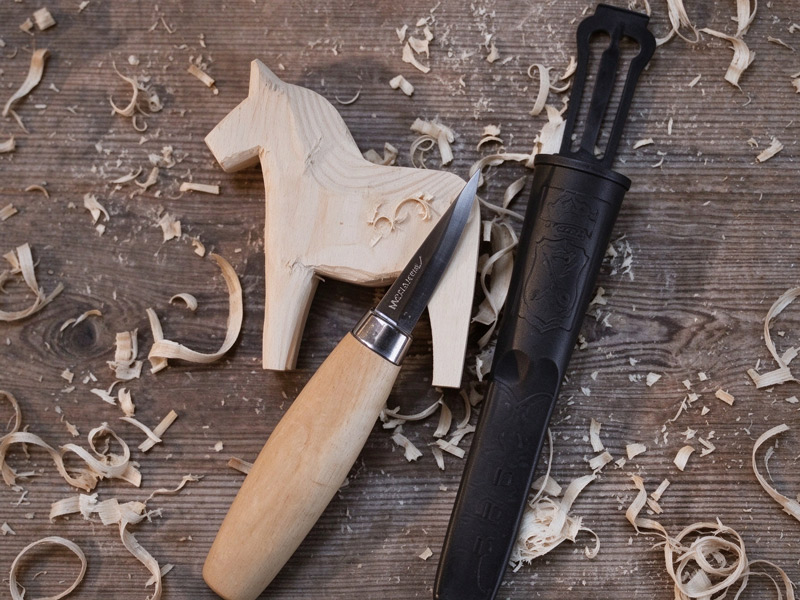
The cutlery shelf carries a confession — knives from a Swedish maker UCO admires rather than manufactures, the curatorial admission printed plainly on the product page. Curating instead of manufacturing is brand honesty aimed at the customer who values judgment over scale: the store says these knives are better than what we would build, the admission borrows the Swedish maker's century of steel, and the customer has been given curation rather than cross-sell. The honesty is the differentiator; the differentiator is rare; and the rarity is why the curation page converts better than a hundred house-brand knives would, because the customer can smell the difference between chosen and manufactured.
A Fire Department
The catalog's second axis is combustion — camp stoves, fire starters, the tools of ignition — the flame treated as a department rather than an afterthought. Organizing around fire is use-case aimed at the customer who plans around the campfire: the stove is the kitchen, the starter is the insurance, the flame is the evening's entertainment, and the store has given the oldest element in camping its own aisle. The fire is the department; the department is the ritual; and the ritual is why the customer camps at all, and the at-all is the loyalty that no discount can buy.
Emergency as a Category
The catalog ends with preparedness — an emergency line, the stormproof matches and lanterns repackaged for the blackout and the glove box, the camping brand selling to the customer who never camps. Extending to emergency prep doubles the market for the pragmatic buyer: the stormproof match serves the backpacker and the homeowner, the candle lantern serves the tent and the blackout, and the store has made the same inventory answer two different anxieties. The emergency is the second market; the second market is the same shelf; and the shelf never goes out of season, because storms do not check the calendar before they knock the power out.
The Gear as a Continuum
Across the categories runs a single aesthetic — machined aluminum, brass fittings, the industrial design of the seventies carried forward with modern tolerances. Maintaining the aesthetic across fifty years is design continuity aimed at the collector: the new lantern matches the old one, the modern stove matches the heritage brand, and the customer who bought a UCO lantern in 1985 would recognize today's catalog. The continuum is the brand; the brand is the memory; and the memory is why the second purchase is automatic, and the automatic is the fifty years compounding in the dark.
The Slow Light Manifesto
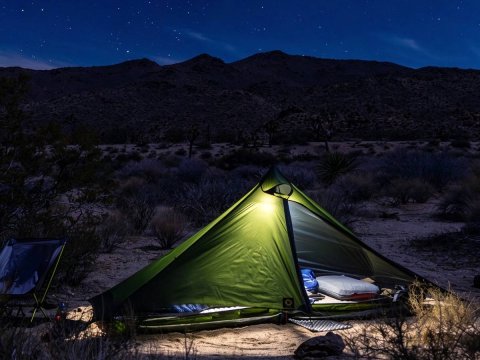
Nowhere does the copy disparage the LED — but the candle lanterns get the poetry, the warm-light copy, the photographs of tents glowing like lanterns themselves. Giving the candle the poetry is positioning aimed at the part of the market that technology forgot: the LED wins on lumens, the candle wins on everything else, and the store has quietly taken the side of the evening over the errand. The slow light is the manifesto; the manifesto is the niche; and the niche is fifty years wide, and the width is measured in tents that glow from the inside.