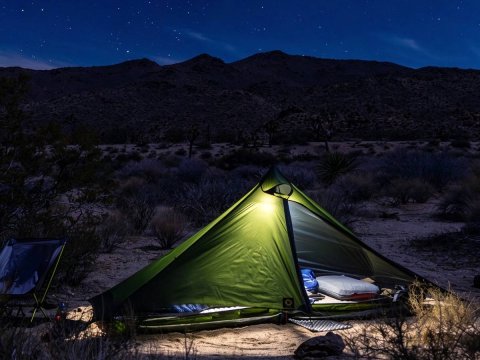
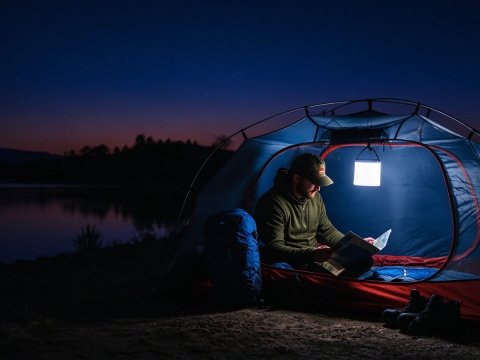
The thru-hiker who refused to carry heavy gear, so he sewed his own
Official homepage: https://zpacks.com
In ultralight backpacking, one brand sits at the top of nearly every thru-hiker's gear list: Zpacks. Founded in 2005 by Joe Valesko — a Triple Crown thru-hiker with more than ten thousand miles on the Appalachian, Pacific Crest, and Continental Divide Trails — the company began because nothing on the market was light enough for the hike he planned. So he sewed his own gear in his apartment, sold the extras, and accidentally built the cottage manufacturer that did more than almost anyone to bring Dyneema Composite Fabric to the trail. Two decades later, with a team of over a hundred in West Melbourne, Florida, Valesko still designs and tests every product himself. This review examines the store where gram-counting is the entire business model.
An Appalachian Trail Thru-Hike Created the Company
The founding moment was a rejection. In 2004, fresh out of college, Valesko set out to thru-hike the Appalachian Trail — a dream he had carried since high school — and found the commercial gear of the era too heavy and too bulky to enjoy two thousand miles of walking. His response was characteristically direct: make his own. He taught himself to sew, built a lighter shelter and pack for the hike, and finished the trail with kit he had made. He then hiked the Pacific Crest Trail and the Continental Divide Trail — the other two legs of America's Triple Crown — testing designs on each. Zpacks was founded out of his apartment in 2005 as the commercial extension of that personal project, and the founding logic has never changed: if Valesko would not carry it, the company does not sell it.
Dyneema Went From Lab Curiosity to Trail Standard
Zpacks's deeper significance is material. The company was among the earliest adopters of Dyneema Composite Fabric — originally called Cuben Fiber — an extraordinarily strong, waterproof fabric at a fraction of conventional weight. Before Zpacks, DCF was a laboratory curiosity; after two decades of Zpacks tents and packs on the long trails, it is the default premium fabric of the ultralight category. The brand's position is visible in every materials sheet: DCF alongside Challenge ULTRA and ultralight Ventum nylon, sitting at the top of the weight-to-performance rankings. Competitors now use the same fabrics, but Zpacks's two-decade head start in pattern engineering — how the fabric is cut, taped, and tensioned — is the part that does not photocopy.
The Duplex Became Thru-Hiker Law on Long Trails
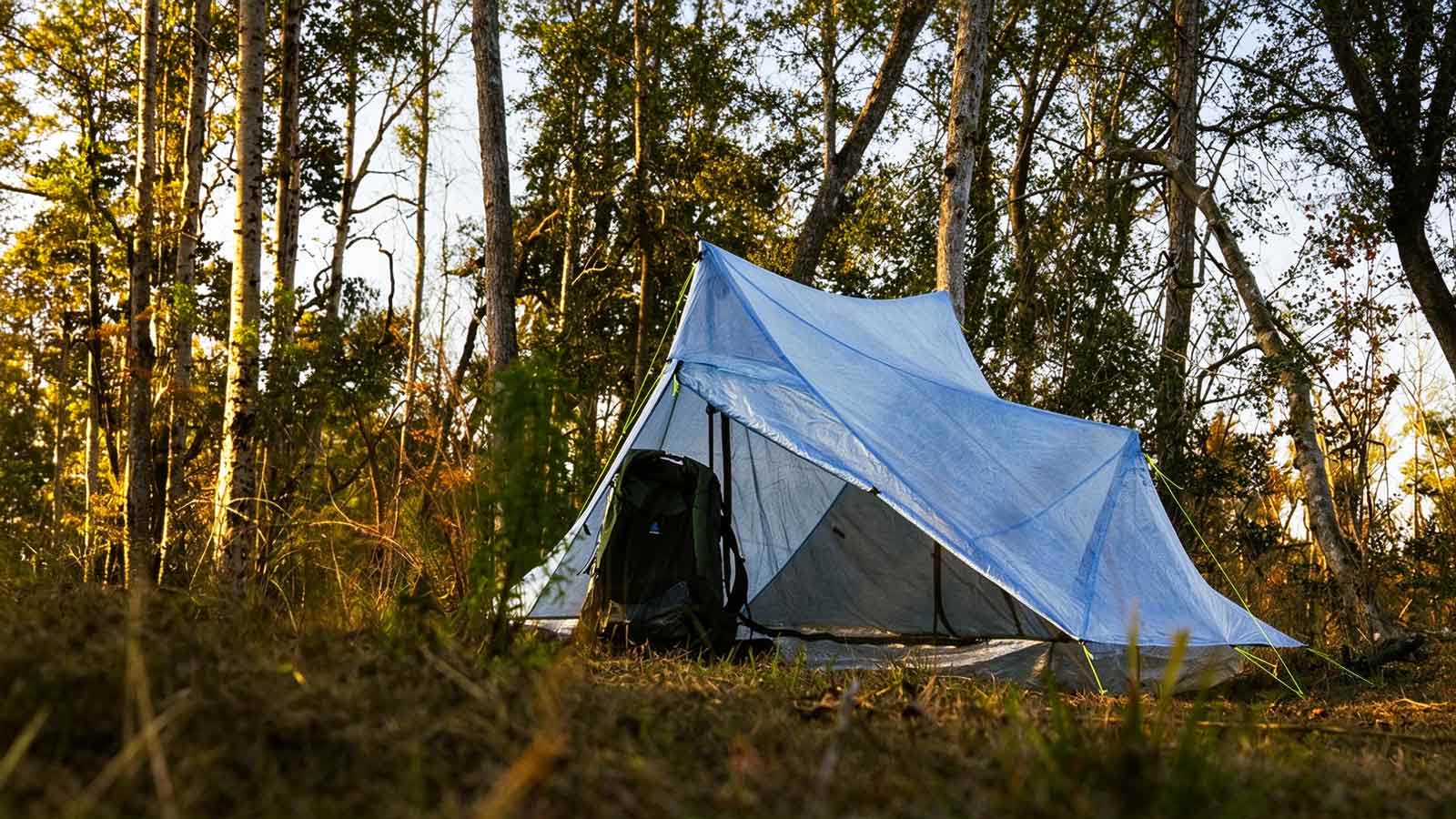
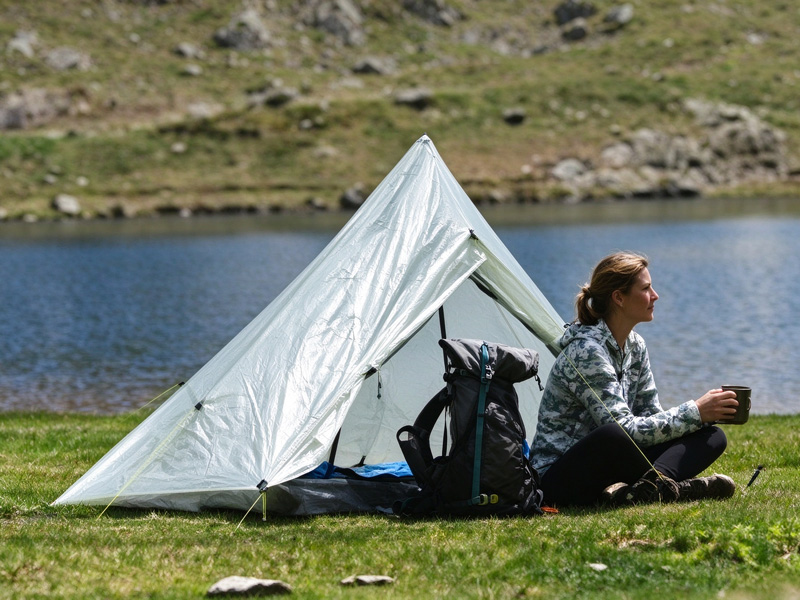
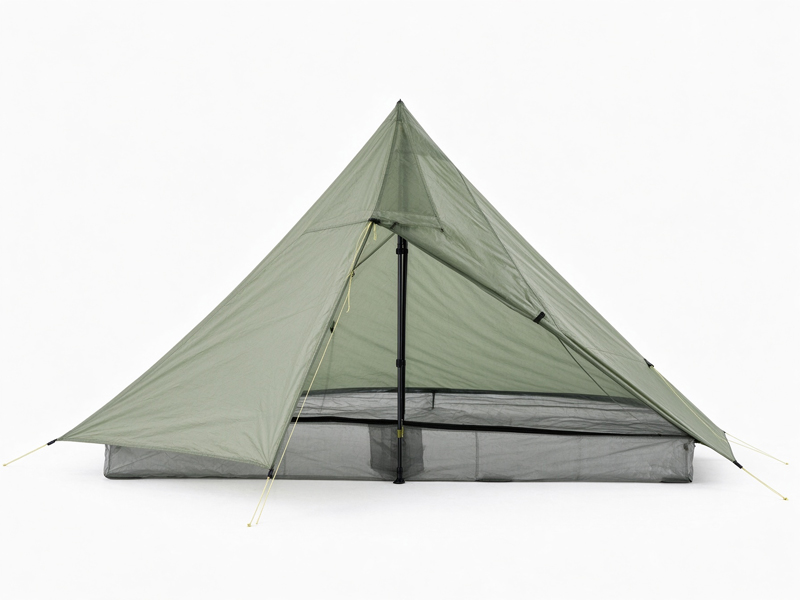
If Big Agnes's Copper Spur owns the mainstream backpacking conversation, Zpacks's Duplex owns the one that happens at mile markers. The Duplex is a trekking-pole, single-wall shelter weighing roughly 550 grams — a full pound lighter than most "ultralight" double-wall competitors — and Appalachian Trail thru-hiker surveys have repeatedly voted it the top ultralight shelter on the trail. It is a fixture on the PCT and CDT as well, and its compromises are the industry's favorite debate: single-wall construction means condensation management is a skill, trekking-pole pitching assumes a hiker who already carries poles, and the price sits at the premium end. On the long trails, none of that matters as much as the number on the scale, and on the number on the scale, the Duplex has spent two decades nearly unbeatable.
Every Product Begins as the Founder's Own Problem
The design pipeline at Zpacks is personal in a way corporate competitors cannot replicate. Valesko's own account of the process: most products start as something he wants to use himself — the original Blast backpacks were built for his Pacific Crest Trail hike, the Hexamid shelter was tested on his Continental Divide Trail thru-hike — and customer suggestions refine them after release. The company still builds most products one at a time in its Florida facility and accommodates customization requests that larger manufacturers cannot touch. The Exo frame pack emerged when Valesko recognized that not every hiker's kit is as stripped-down as his own and wanted a bridge between traditional loads and ultralight frameless carry. The result is a catalog with an unusual property: every product has a trail resume behind it.
The Store Sells Grams by the Decimal Place
The Shopify storefront is engineered for its audience the way the gear is engineered for the trail. Product pages lead with weights measured in ounces and grams — often to the tenth — and comparison tools let buyers trade grams against dollars in real time. The catalog covers the thru-hiker's complete big three: shelters like the Duplex, Altos, and Free series; packs from the frameless Nero to the carbon-arced Arc Haul, one of the lightest full-featured framed packs anywhere; and ultralight down quilts and bags. Options multiply — fabric weights, zipper configurations, cord tensions — because customization is a point of pride rather than a manufacturing burden. For the target buyer, this is not clutter; it is the entire reason to shop here.
The Honest Frictions of Living at the Weight Limit
Ultralight orthodoxy extracts its prices, and Zpacks's are visible on the spec sheet and the credit card statement. DCF shelters command premium prices — Duplex-class tents run into the several-hundred-dollar range for a shelter with less fabric than a shopping bag — and the fabric, while extraordinarily strong for its weight, is translucent, crinkles loudly, and can be damaged by sharp abrasion and sustained UV exposure. Single-wall designs demand competent site selection and ventilation habits to manage condensation. Trekking-pole pitching excludes hikers who do not carry poles. Lead times can stretch when demand surges, because one-at-a-time manufacturing does not warehouse. And the brand's uncompromising minimalism offers no comfort-oriented stepping stones for beginners — Zpacks assumes you already know why you are here.
The Cottage Brand That Out-Engineered the Giants
Zpacks occupies a rare position: a cottage manufacturer that became the reference standard for an entire category. The company's two decades of DCF expertise, the Duplex's two decades of trail dominance, and a founder who still tests what he sells give the store an authority no marketing budget can purchase. Buyers who count grams already know the name; this review exists for everyone else who is about to learn why the scale is the most important page on the site.