The mother of comfort: twenty-five years of fixing how the world sleeps outside
Official homepage: https://bigagnes.com
Most camping brands sell adventure; Big Agnes sells the part of adventure everyone complains about — sleep. Founded in 2001 in Steamboat Springs, Colorado by Bill Gamber, the company began with a single solved problem: sleeping bags that slide off sleeping pads in the night, which Gamber's first product fixed with a sleeve on the back of the bag. Twenty-five years later, the brand nicknamed the Mother of Comfort produces the Copper Spur — arguably the most recommended backpacking tent in America — along with pads, bags, camp furniture, and apparel, and celebrated its anniversary in 2026 with a new ultralight tent line and a limited EST. 2001 collection. This review examines the store behind the sleep system.
A Sleeve on a Sleeping Bag Started Everything
The founding insight came from suffering. Gamber, who moved to Steamboat from Pennsylvania in 1990 chasing snow and fish, was an avid climber and camper whose own backcountry sleep setup — an unrated bag on a three-quarter pad under an inch thick — left him freezing on walls like Half Dome's northwest face. His conclusion was the industry's founding assumption: camping means suffering, and everyone just accepts it. In 2001 he rejected the premise, sketching a sleeping bag with a sleeve on its underside that a pad slides into, so the two become one integrated system that cannot separate at 3 a.m. That sleep system — three bags and one pad, sold from a little red house on Oak Street by a handful of employees — was the entire original catalog. The company has not strayed from the thesis since.
The Gamber Family Has Steamboat in Its Blood
Big Agnes was not the family's first energy company. Bill Gamber's grandparents, Ralph and Luella Gamber, developed the EN-R-G Bar in 1954 — honey-based energy food from Ralph's beekeeping — and the family re-established the concept in Steamboat in 2001 as Honey Stinger, the endurance-nutrition brand. The same year, in the same town, Bill Gamber Jr. launched Big Agnes. The parallel says something about the family's instincts: find something outdoorspeople endure, and engineer the suffering out of it. It also explains the company's culture — the fun, outdoorsy, small-mountain-town personality that reviewers consistently describe as part of the product.
REI Took a Chance, and Backpacker Kept Agreeing
Big Agnes grew the slow way: wholesale first, hero product second. After a few years of specialty-shop accounts, REI gave the young brand shelf space in the mid-2000s — the make-or-break relationship for any American outdoor gear maker — and the products moved. Validation arrived early and repeatedly: within three years of founding, the Insulated Air Core mattress won a Backpacker Editors' Choice Award, and the company has since collected more than a dozen of them. The lesson the founders took — listen to the people using the gear, adjust, refine, repeat — is still quoted verbatim in the company's 25th-anniversary materials. Product names borrowed from Colorado geography around Steamboat keep the whole catalog rooted in the testing ground outside the office door.
Copper Spur Became the Default Answer for Backpackers
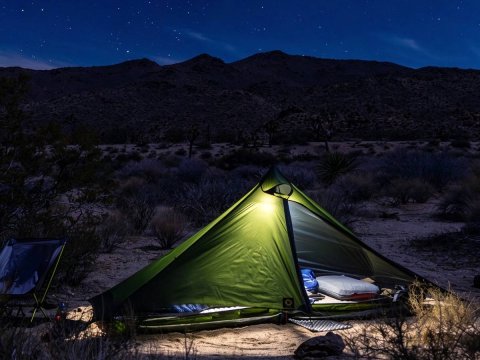
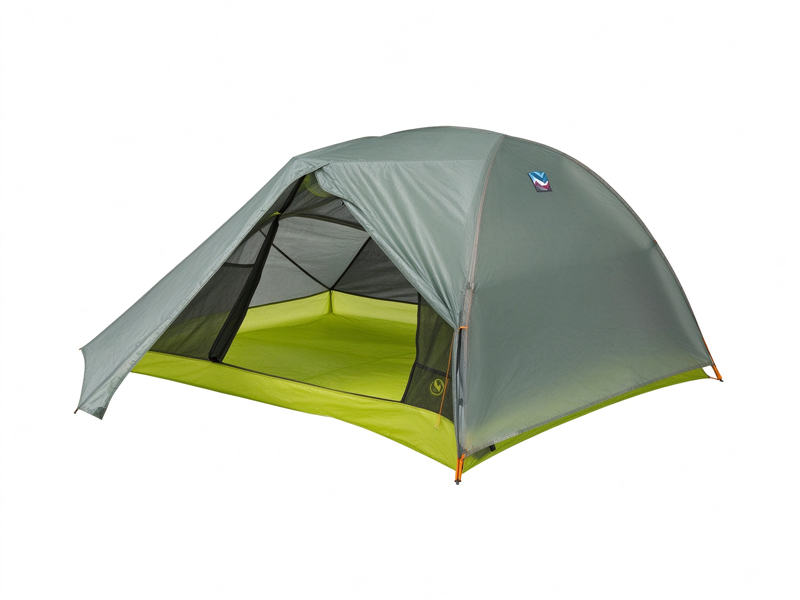
If one product carries the brand, it is the Copper Spur. Introduced in 2008, the freestanding ultralight tent balanced weight, interior space, and weather protection better than anything at the time, and eighteen years of updates have kept it there — reviewers routinely call it the tent they recommend to the most people without hesitation. The semi-freestanding Tiger Wall splits the difference for solo hikers at eight ounces lighter, and the entire tent line was refreshed in 2025 with recycled, PFAS-free fabrics. For 2026, the brand pushed into pure fast-and-light territory with the VST series — the Pitchpine at just under two pounds and the Sarvis as the lightest freestanding tent in the lineup at two pounds thirteen ounces — alongside a budget-friendly Crag Lake and the roomy, three-door Salt Creek. The tent taxonomy alone is a masterclass in segmentation.
The Store Sells the Sleep System, Not Just the Tent
The Shopify storefront is organized around the company's original idea: nothing sleeps alone. Tent pages cross-sell the matching footprint and mtnGLO accessory lights; sleeping-bag pages suggest the pad that slides into its sleeve; camp chairs, tables, and blankets fill out the car-camping end of the ladder. The 2026 anniversary programming lives on the store too — the EST. 2001 capsule applies an alpenglow print from the Zirkel Wilderness to a curated set of pads, bags, chairs, and lights, supported by a retail sweepstakes across more than fifty-six North American shops. For a brand that grew up in other retailers' aisles, the direct store reads like the full catalog finally in one place.
The Honest Frictions of Ultralight Comfort
Comfort engineering has trade-offs, and Big Agnes's are consistent. The Copper Spur's sub-three-pound build uses fifteen- and twenty-denier fabrics — light enough to disappear in a pack, thin enough that rough campsites demand a footprint and some care, and reviewers rate its durability the weak axis. Premium positioning is real: at $600 for the two-person Copper Spur and $750 for the new Sarvis VST, the brand prices above budget competitors, and the ultralight tax is visible on every spec sheet. The mesh-heavy, fast-pitch designs that make the tents so livable also mean wind-blown dust and cold drafts in shoulder seasons. And the relentless annual refresh cycle — 2025 fabric updates, 2026 VST launch — can leave recent buyers feeling one generation behind. None of this has dented the recommendations, which keep arriving anyway.
Twenty-Five Years of Refusing the Suffer-Fest
Big Agnes built a quarter-century business on one heretical idea: sleeping outside should not hurt. The sleeve that started it in 2001 became a sleep-system philosophy that now spans tents, pads, bags, furniture, and lights, tested in the mountains the products are named after and validated by more than a dozen Editors' Choice awards. The store is the most complete expression of that philosophy available anywhere — and as the Mother of Comfort turns twenty-five, the pitch remains exactly what it was: you do not have to accept the suffer-fest.