
Burrow: how a shopify furniture store grew from a wharton idea to a nine-figure brand
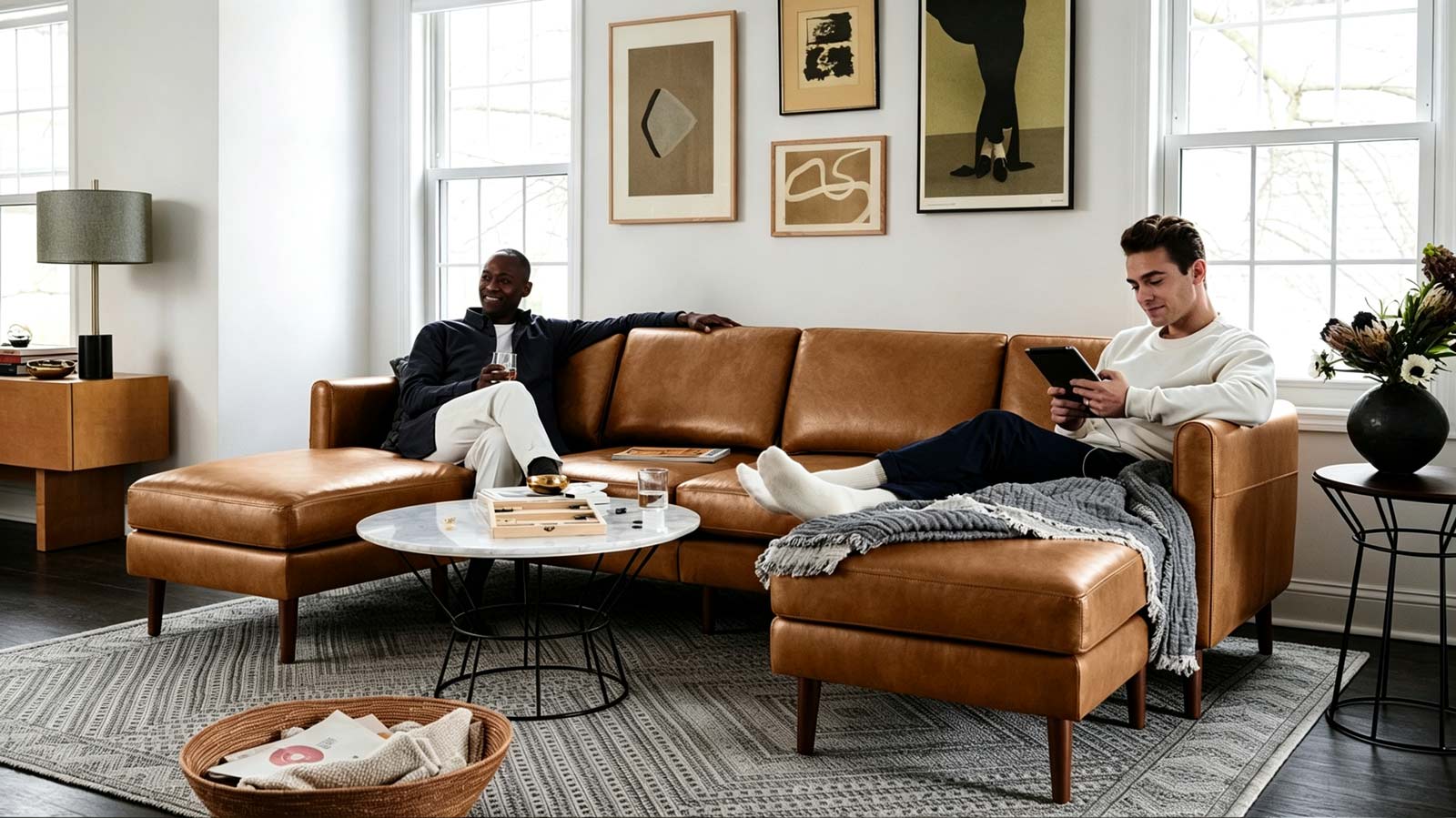
Official homepage:https://burrow.com
Nobody dreams about sofa shopping. It's the purchase you dread: weeks of waiting, a delivery crew squeezing a giant crate through your doorway, and — if you're unlucky — an afternoon lost to Allen wrenches and cryptic instructions.
Burrow (burrow.com) set out to change that feeling, and along the way became one of the most influential furniture brands in the direct-to-consumer world.
Two Bad Sofa Stories, One Good Idea
Every great brand has an origin moment. Burrow's happened in a Wharton classroom in 2015, when MBA students Stephen Kuhl and Kabeer Chopra traded sofa-buying horror stories. Chopra had waited weeks for a delivery he ultimately hauled home himself; Kuhl had surrendered a weekend to an IKEA assembly battle. Comparing notes, they realized the market had a strange hole in it: there was no sofa that was affordable, well-made, and actually easy to live with.
Their answer was refreshingly physical. They took the traditional sofa apart and redesigned it as a modular system — one that ships in ordinary FedEx and UPS boxes, arrives at your door in days, and clicks together in minutes without a single tool. After a stint in Y Combinator in 2016, Burrow opened its (virtual) doors in April 2017. Customers responded immediately: the company grew about 20% month over month in its first year.
A Store That Lets You Play Before You Pay
Spend a few minutes on Burrow's Shopify store and you notice something: it doesn't lecture you about the product. It lets you play with it.
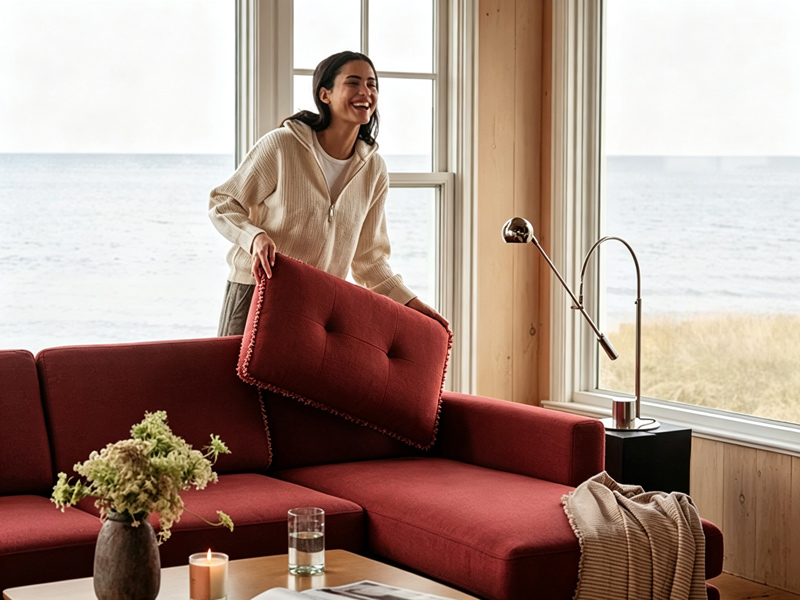
You can build your sofa seat by seat, swapping fabrics, leg finishes, and arm styles right on the product page. Interactive 3D previews show exactly how the modules connect — a feature Burrow adopted earlier than most furniture brands dared to. And the messaging stays grounded in real life rather than specs: this sofa ships free, arrives in days, and moves apartments as easily as you do. If it still doesn't feel right, a 30-day trial means you can send it back.
That confidence has carried the brand far beyond its first sofa. Today the catalog spans sectionals, beds, dining tables, shelving, rugs, lighting, and outdoor pieces — a full home lifestyle brand rather than a one-product wonder.
Furniture That Lives in the Real World
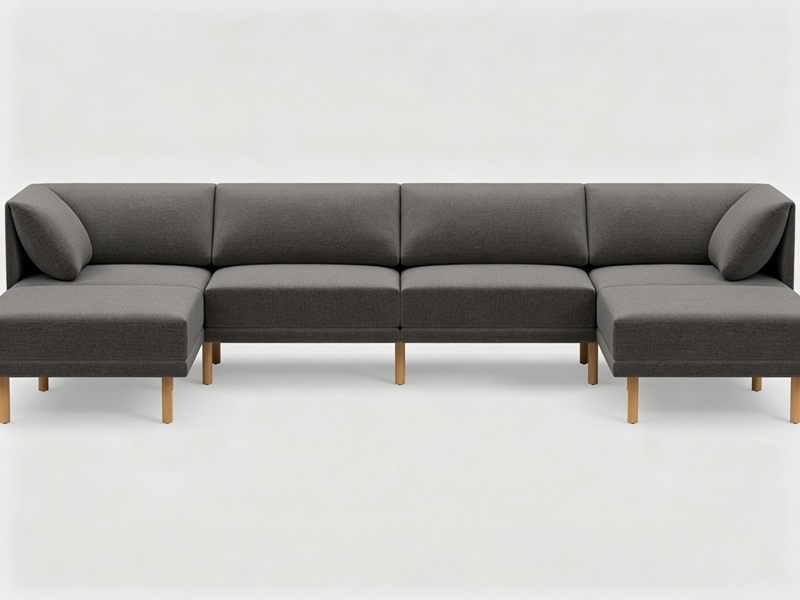
Burrow's design philosophy shows in the details owners talk about most. The frames are built from FSC-certified hardwood, and the upholstery shrugs off scratches, stains, and the occasional muddy paw — which is why the brand has become something of a cult favorite among pet owners. But perhaps the cleverest idea is the simplest one: because the sofa comes apart, it can be reconfigured, expanded, or packed up again every time life changes. It isn't furniture you own so much as furniture that keeps up with you.
The Quiet Rise to a Nine-Figure Brand
Burrow's business story has been notably drama-free. A $4.3 million seed round in late 2017, a $14 million Series A led by NEA in early 2018, and a $25 million round in 2021 funded a steady build-out: showrooms in New York, Boston, Chicago, and Los Angeles, plus a Toronto warehouse to serve Canadian customers. Along the way, the company filed roughly 40 patents on its modular system.
By 2024, Burrow had crossed nine figures in annualized revenue — and that October, it found a new home. Interior design platform Havenly Brands acquired the company, its fifth acquisition in two years alongside names like The Citizenry and St. Frank. Havenly CEO Lee Mayer praised Burrow as a "well-operated, healthy business" with a loyal following and a modular platform no competitor could easily replicate.
Why Burrow Is Worth a Visit
Whether you're furnishing a first apartment or just tired of wrestling with traditional furniture retail, Burrow's store is a genuinely pleasant place to shop. And for anyone building a brand of their own, it remains a quietly instructive example: find the thing everyone hates about an industry, fix it completely, and then get out of the customer's way.