Probing at typhur: sync ecosystems, grill-cleaning robots, photo-to-recipe ai, patents, two million sessions
Official homepage: https://typhur.com
Cooking-appliance stores usually sell you a box that heats. Typhur sells you a probe with a company attached — the storefront's name for itself is a robotics company focused on the kitchen, and the first statistic on the page is not a sale figure but a patent count. I browsed with an overcooked chicken breast in my recent past and a curiosity about what happens when a thermometer brand decides it is really a platform. Here is the counter, decision by decision.
Door Policy: Robotics at Apron Level
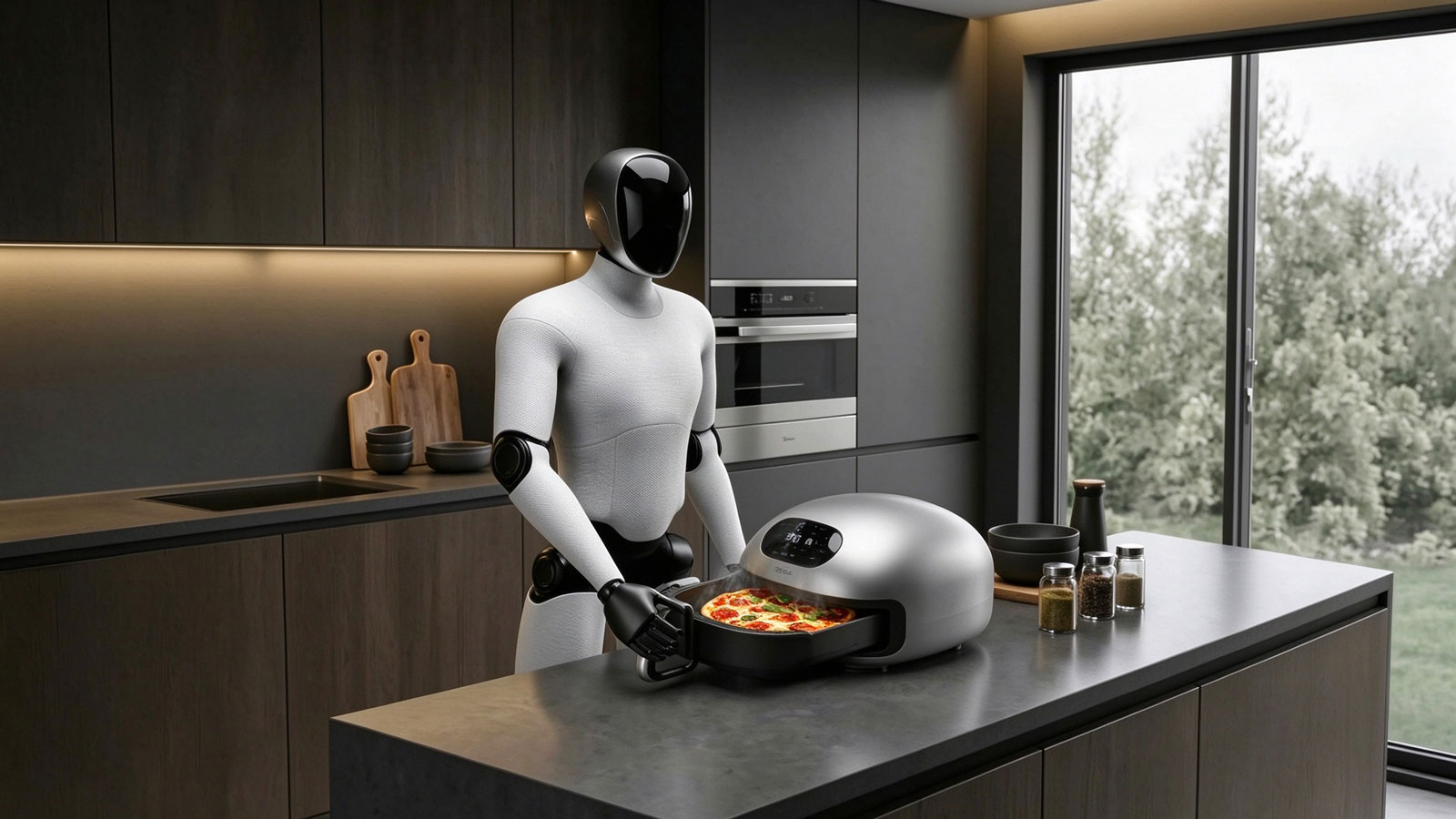
The storefront introduces a home robotics company, then immediately grounds the grand word in something purchasable today — precision tools, starting with a meat thermometer. Choosing robotics as the category while selling a probe as the first product sizes the ambition without demanding faith: the customer is not asked to believe in a future kitchen, only to buy the one tool that works now, and the framing tells engineers and investors alike that every purchase funds the larger machine. The probe is the door; the robots are the promise behind it.
The Probe as Operating System
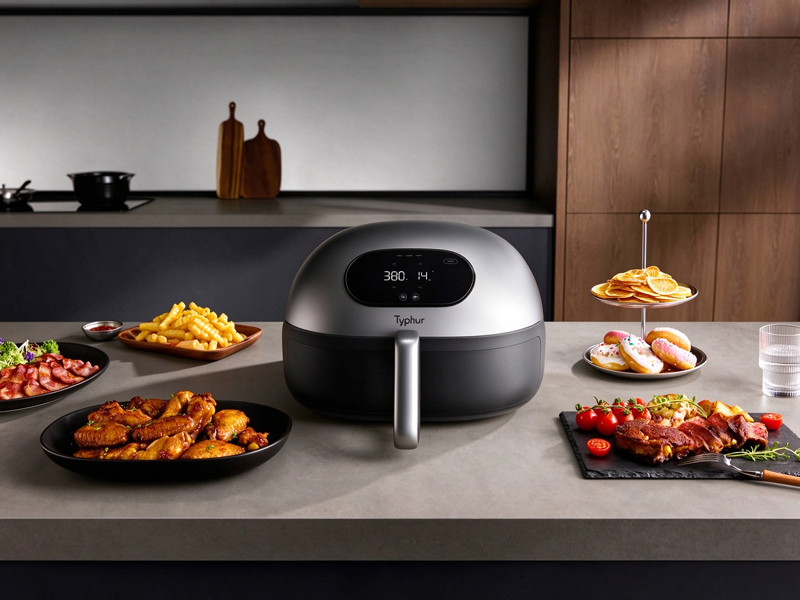
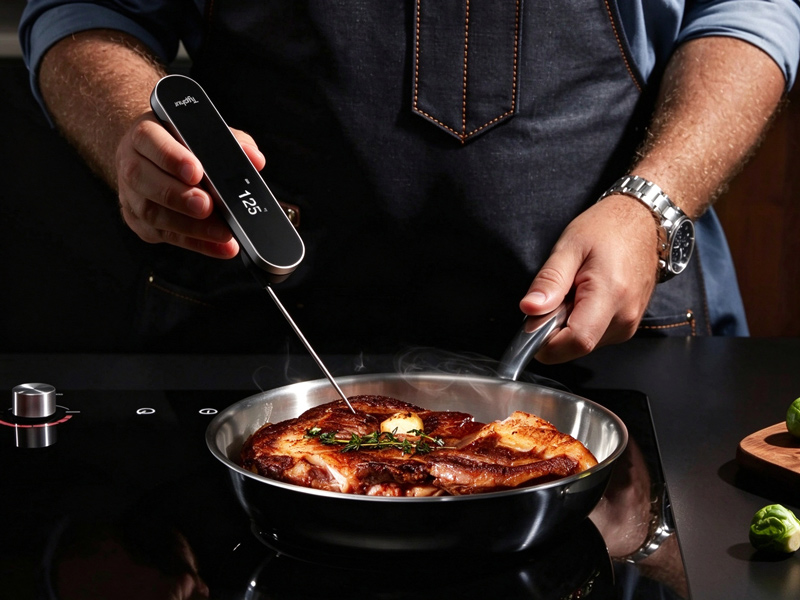
The product line orbits a single idea: a wireless thermometer that talks to every appliance in the catalog — the dome air fryer, the countertop oven, the grill — so that doneness, not time, ends the cooking. Leading with the shared probe rather than any single appliance inverts the industry's attachment model: competitors sell devices with accessories, Typhur sells a sensor that accumulates hosts, and each new appliance deepens the investment in the first purchase. The thermometer becomes the operating system, and every cooker is an app.
Usage Counted in the Millions
Beneath the hero sits a counter the brand treats as its real trophy — millions of recorded cooking sessions, near-perfect satisfaction, hundreds of patents. Publishing usage statistics instead of testimonial adjectives is a data-trust play aimed at the specification-minded buyer: a million recorded chicken breasts out-argues any marketing copy, and it quietly positions the store as the most experienced cook in the building, even though the building is a warehouse. Experience, counted publicly, becomes the brand's chef.
A Camera That Reads Lunch
The newest feature turns a phone camera into a kitchen input: photograph a dish, and the system produces a recipe, steps, nutrition estimates, and a health score. Adding computer vision removes the recipe-search barrier for the cook who does not think in dish names — the meal can start with a photo of last night's takeout, and the assistant learns what the household actually eats. The feature converts leftovers into a starting point, which is where most real cooking begins anyway.
Robots for the Unbranded Chores
Between the cookers sits a product that does not cook at all: a grill brush on wheels, bristle-free, self-driving across the grates, aimed at the one kitchen job nobody has ever branded. Shipping a cleaning robot beside the cooking robots widens the brand's jurisdiction from doneness to drudgery and proves the robotics claim on the door was not entirely metaphor. The chore nobody names is the chore a robot can own first.
Eleven Logos, No Hierarchy
The homepage carries its press endorsements as a dense grid — a review site calling the oven best tested, a cooking magazine on the app, a business newspaper on the thermometer, a food magazine on the air fryer's speed. Stacking eleven logos without hierarchy is a saturation strategy: individual quotes can be dismissed, but a wall this wide argues the press has already compared everything, and the shopper's job shrinks to choosing which Typhur fits her counter. Consensus, displayed wholesale, does the selling.
Spooky Sales on Serious Hardware
When I visited, precision machines wore a Halloween sale — up to a hundred and forty dollars off, spooky graphics included. Running seasonal promotions on robotics-grade hardware treats the air fryer like a consumer good rather than a lab instrument: the discount calendar keeps the warehouse moving between gadget-gift peaks, and the playfulness keeps a brand with hundreds of patents from taking itself too seriously at checkout. Serious engineering, unserious calendar.