Inside hellobubble: how one gen-z shopify store delivers clinical skincare under $20
Official homepage:https://hellobubble.com
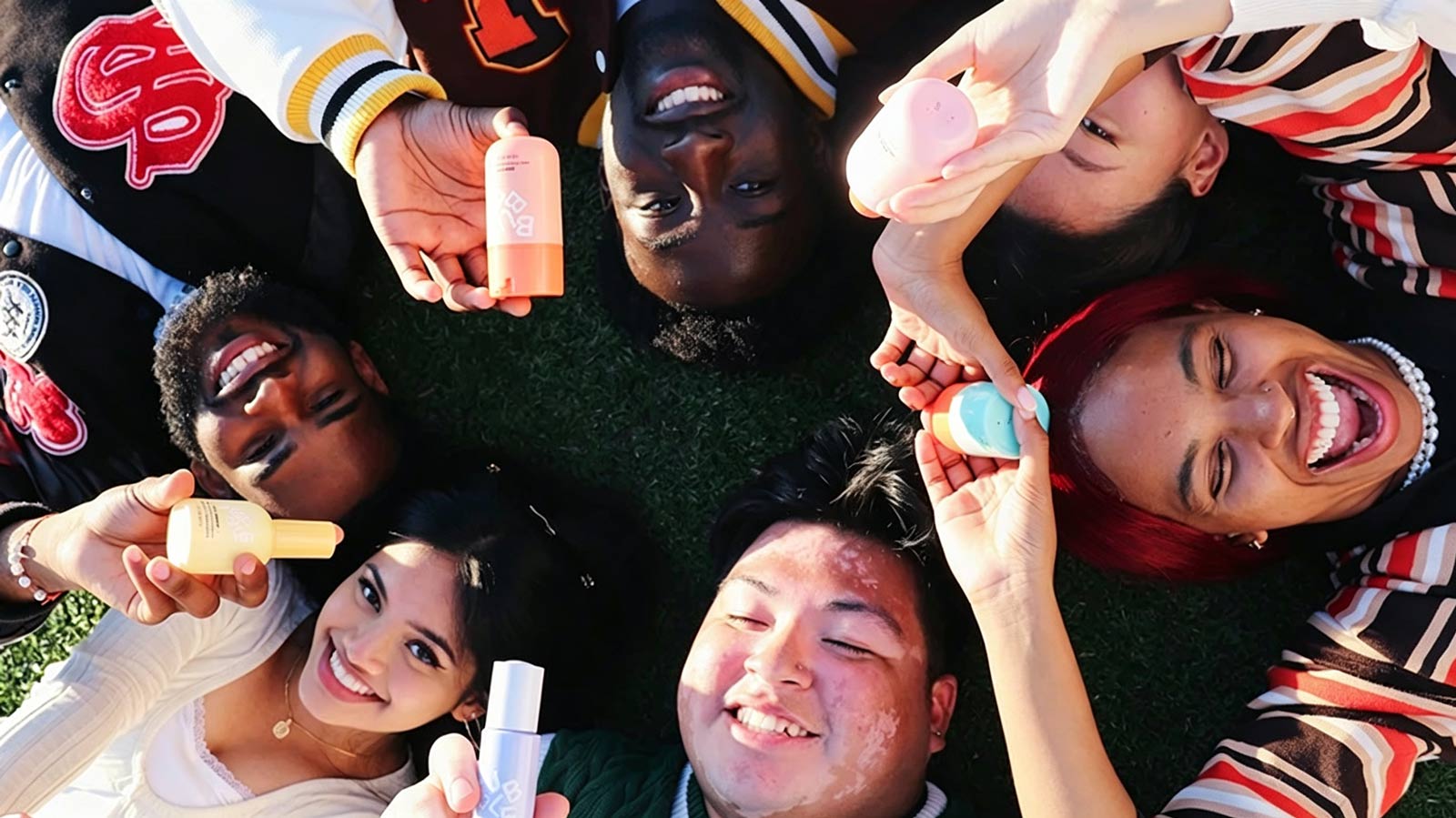
If you've spent any time on TikTok or browsing the shelves of Ulta and Target, you've almost certainly seen Bubble's pastel bottles and playful typography. But behind the Gen-Z aesthetic sits a seriously engineered Shopify store — one that has grown from a 2020 startup into a brand available in more than 17,000 retail locations across North America, the UK, Australia, and the Middle East. We spent time exploring Hellobubble to see what actually makes this store tick.
Why This Store Exists: A Brand Built for the First Skincare Generation
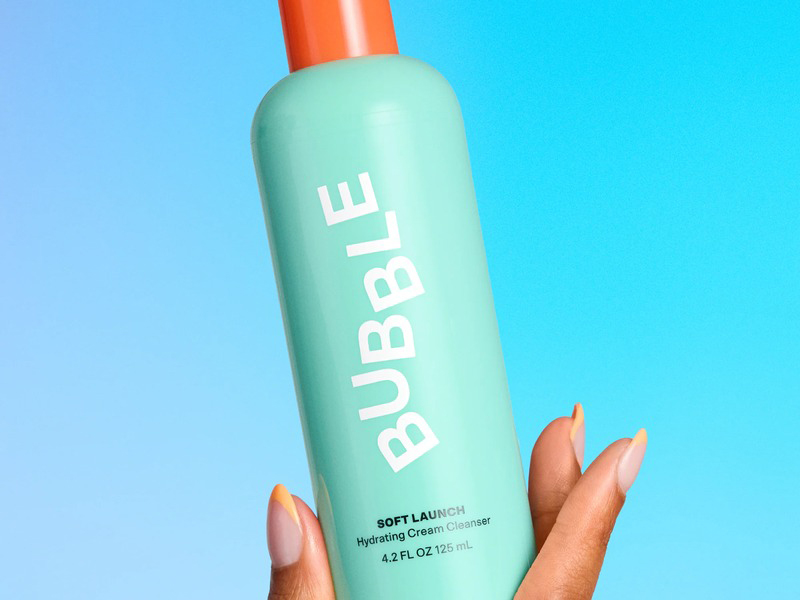
Most beauty stores start with a product. Bubble started with an observation. Founder Shai Eisenman noticed that the most digitally connected generation in history was still buying the same drugstore products their parents used, marketed with imagery that never spoke to them. The entire store is the answer to that gap — every design choice, from the saturated mint-and-orange color system to the plain-language product naming, exists to make a teenager's first skincare purchase feel like it was made for them rather than sold to them.
Ingredient Literacy as a Design Feature
Instead of hiding formulations behind marketing language, Bubble treats education as part of the interface. Product pages list key ingredients, explain what each one does in everyday words, and clearly state what's absent — fragrance, parabens, mineral oil, harsh sulfates. Everything is vegan and cruelty-free, backed by an 11-member Dermatology Advisory Board and more than 115 completed clinical studies. For a shopper who has never read an INCI list, this approach quietly builds the confidence to buy.
The Under-$20 Pricing Experiment
Every single item on the site costs less than $20. That's not a discount strategy — it's the business model. The range covers a complete routine: the bestselling Fresh Start Gel Cleanser, the Slam Dunk Hydrating Gel Cream, toning essences, clay masks, and targeted spot treatments. For a first-time buyer, the low price ceiling removes nearly all the risk of experimentation; for the brand, it converts TikTok curiosity into repeat purchases at a pace premium labels can't match.
Checkout Speed: From Discovery to Done in Under a Minute
We tested the purchase flow on mobile, where most of Bubble's audience actually shops. Product pages load fast, a sticky add-to-cart button follows the scroll, and checkout supports Shop Pay, Apple Pay, Klarna, and Amazon Pay. The site also offers a routine-building quiz that translates skin concerns into a personalized regimen — a clever answer to the decision fatigue that plagues skincare beginners. A first-time visitor can realistically go from landing page to confirmation email in sixty seconds.
The 60,000-Person R&D Department
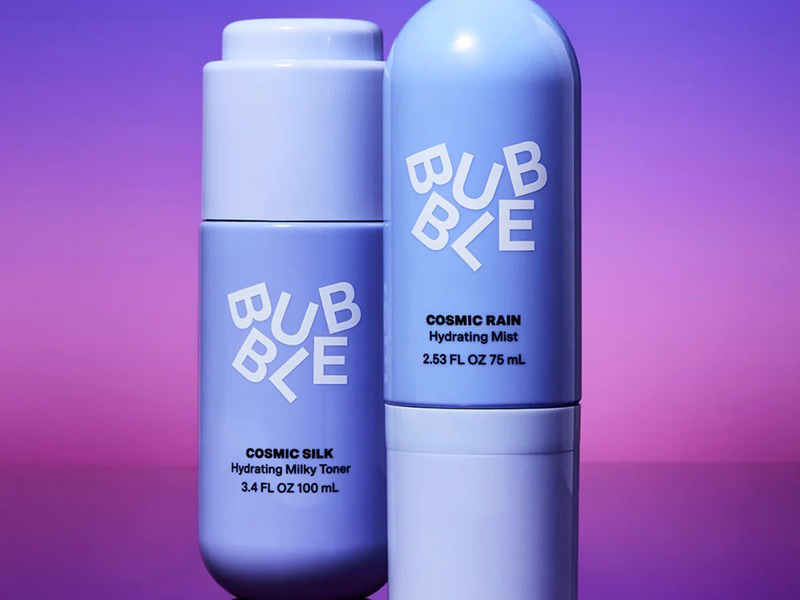
Bubble's ambassador network — over 60,000 members strong — does more than post affiliate content. Ambassadors participate in product co-creation and beta testing, meaning launches like the Cosmic Silk hydrating line arrive pre-validated by the exact audience they're built for. This feedback loop is one of the hardest things for a beauty brand to replicate, and it's the closest thing ecommerce has to a moat.
When a DTC Store Goes Physical
The store offers free US shipping over $39 and delivery to more than 200 countries, with support reachable by text. Notably, it currently accepts no returns or exchanges — a trade-off worth knowing before ordering a full routine at once. Meanwhile, Bubble has quietly expanded into 17,000+ retail doors including Ulta, Target, Walmart, and CVS. The Shopify storefront and the shelf increasingly feed each other: stores drive discovery, the site drives depth.
Closing Thoughts
Hellobubble succeeds because it never pretends to be for everyone. It knows its shopper's age, budget, anxiety level, and phone habits — and designs every dimension of the experience around them. The result is a store that converts education into loyalty, and loyalty into community.