
Gymshark built a gym-wear empire without traditional advertising. the athlete is the store.
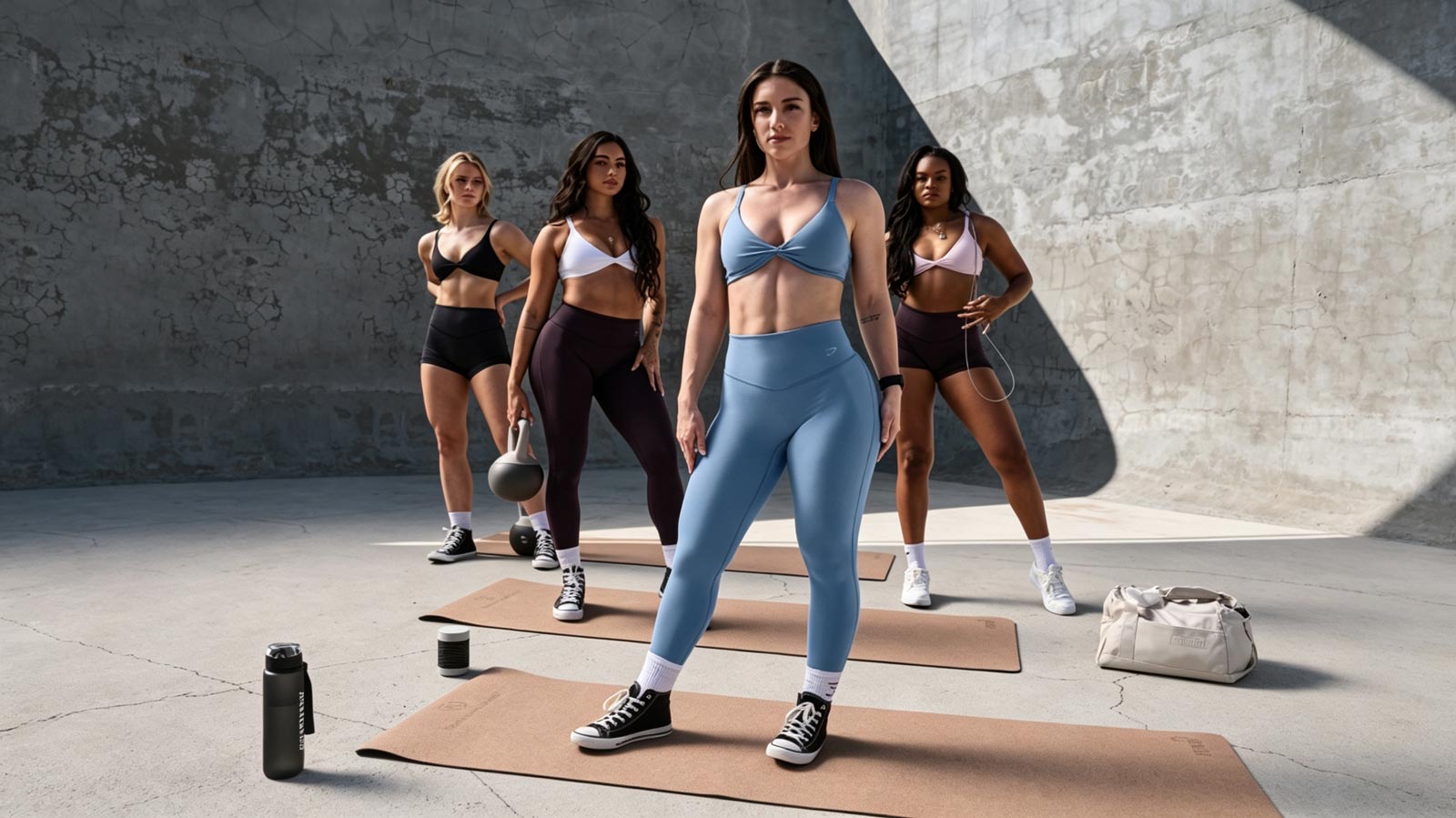
Official homepage:https://www.gymshark.com
In 2012, a 19-year-old pizza delivery driver in Birmingham was screen-printing workout tees in his parents' garage between shifts. Ben Francis had no fashion background, no retail connections, and no money for ads. What he had was a hunch: the fitness world was about to stop taking its cues from bodybuilders on magazine covers and start taking them from the YouTubers in its recommended feed — people it watched before its own workouts, whose opinions carried the weight of friendship rather than sponsorship.
Fourteen years on, that hunch clears well over half a billion pounds a year. And the strange thing is how little of it came from the retail playbook at all.
The Sponsorships That Weren't Really Sponsorships
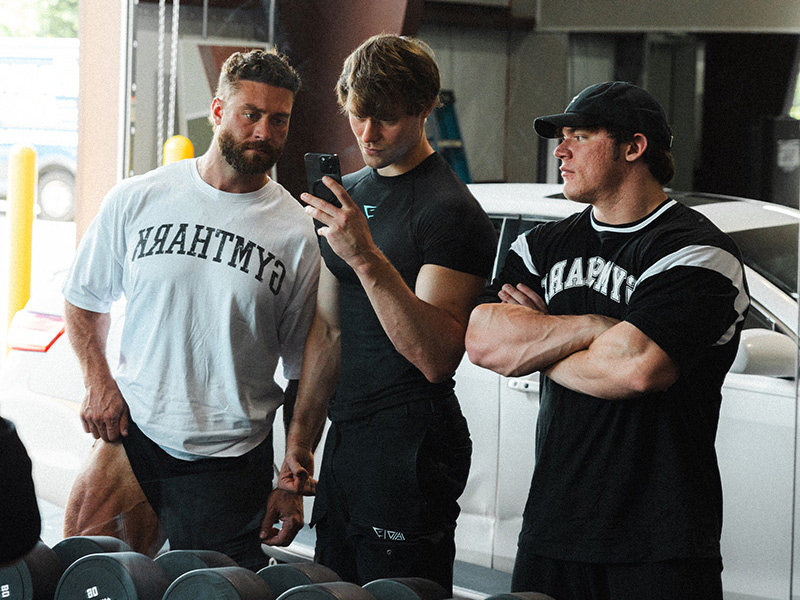
Long before "influencer marketing" earned its own line in fashion budgets, Gymshark was sending free clothes to fitness YouTubers with modest, obsessive followings. The arrangement looked almost naive: wear it, mention it if you like, keep doing what you do. But Francis had actually hired a sales force that already lived inside his customers' feeds, spoke their vocabulary, and came pre-loaded with trust no media buy could manufacture.
Celebrities broadcast at audiences; these athletes talked with them. A lifter with 80,000 subscribers, answering comments about what he trains in, does something a billboard structurally cannot — he makes a purchase feel like advice from a friend. By the time legacy giants priced up their first influencer contracts, Gymshark had spent years wiring itself into thousands of micro-communities across dozens of countries. The network cost less than a single traditional campaign, and unlike a campaign, it never stopped working.
Selling the Moment, Not the Leggings
Gymshark's second instinct was to treat product launches as occasions rather than inventory events. Collections drop in limited waves — teased through the athlete network, timed like appointments, frequently gone within hours.
Streetwear invented the mechanics, but the psychology proved exportable. Scarcity turned a pair of leggings into a timestamp: to own it was to have been there when it dropped. And behind the theater, the discipline quietly paid off — predictable sell-through meant less markdown risk, sharper forecasting, and production commitments made with a confidence the company's age shouldn't allow.
The Unsexy Bet That Made the Show Possible
None of this spectacle survives a website that falls over at the moment of peak desire. When Gymshark rebuilt its global store operation on Shopify's enterprise infrastructure in 2020, the headlines called it a replatforming. Internally, it was closer to reinforcing the stage before the next act — drops that once flirted with crashing the site could now absorb launch-day surges across currencies and regions from a single backend.
The decision says something bigger about where apparel retail has drifted: a decade ago, a brand at this scale would have built a custom stack and hired an engineering army. The smartest DTC operators of this decade made the opposite trade — rent the plumbing, own the audience.
The Plot Twist: Opening Actual Doors
There's an honest wrinkle in this story, and Gymshark put it there itself. The pure DTC gospel the brand preached for a decade is no longer pure: flagship stores have opened on Regent Street, wholesale has quietly expanded, and the app has grown features that blur where the store ends and the social network begins.
This isn't DTC failing; it's DTC growing up. The physical stores turned out to be discovery engines for the digital machine — fitting rooms, meetups, a brand gravity no website generates alone — feeding traffic online instead of competing with it.
The Takeaway
Strip away the mythology and the lessons are disarmingly plain. Community is something you build years before you need it. Scarcity, handled honestly, defends margin better than any promotional calendar. Creator relationships compound like capital; ad spend evaporates like rent. And the least glamorous decision in the company — which platform holds the site up on launch day — decides whether your best marketing moment becomes revenue or an error page.
Gymshark noticed, earlier than almost anyone in apparel, that attention had migrated into feeds run by people who looked like its customers — and built the company around that fact before it was fashionable to say out loud. The brands compounding in fashion right now are doing the same: treating creators as long-term infrastructure, drops as demand management, and the store as a place a community shows up. The transaction is just the souvenir.