Camp chef shop review: worth it? what to check before buying camp stoves
Official homepage: https://www.campchef.com
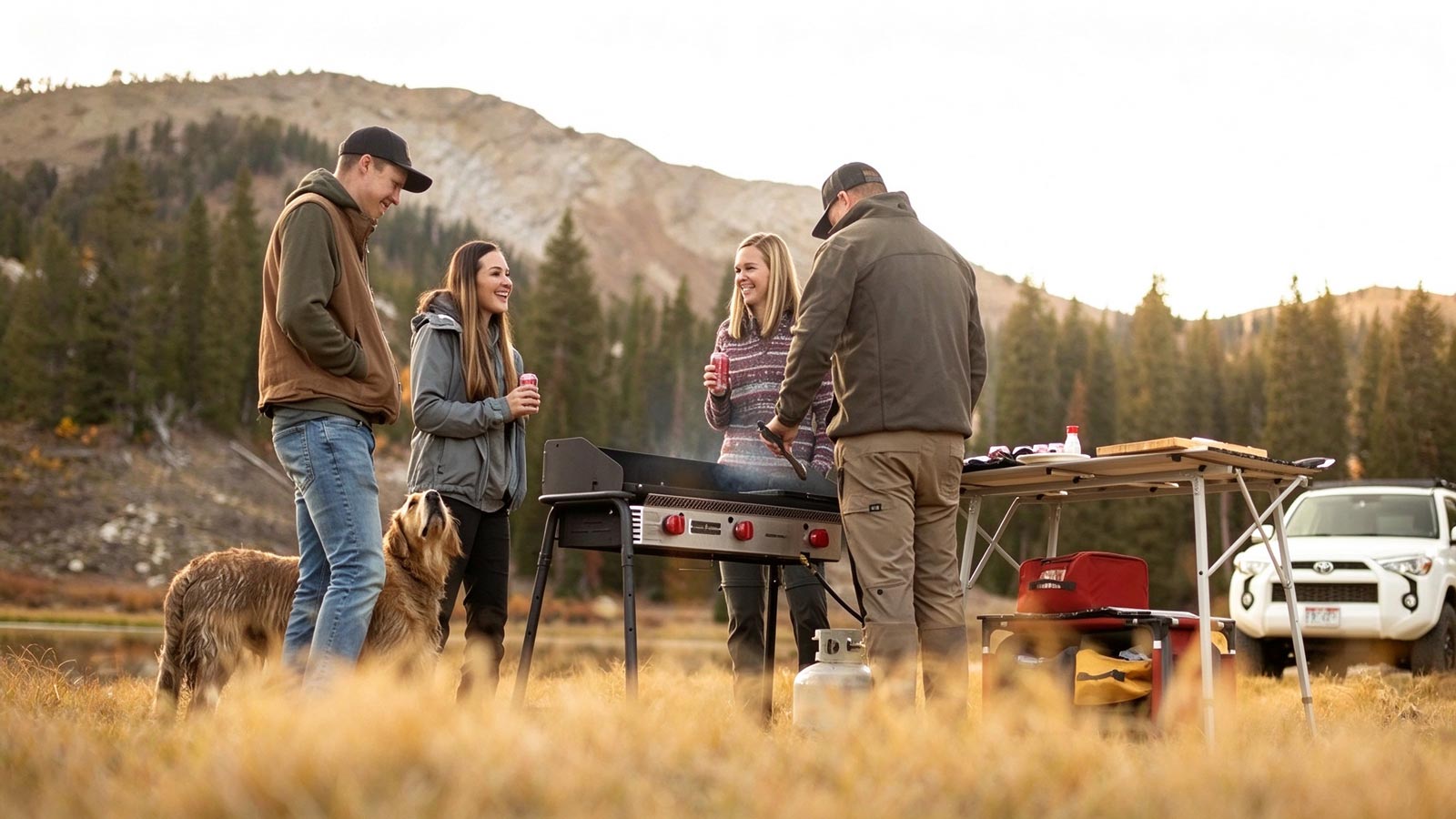
Camping stores usually sell the trip. Camp Chef sells the meal that happens after — the storefront opens with a manifesto in two words, ditch the kitchen, and the promise beneath it is domestic: when life takes you outside, the store keeps the whole family fed. I browsed with a camp stove that heats one pot at a time and a growing resentment of freeze-dried anything. Here is the counter, decision by decision.
Door Policy: The Kitchen, Ditched
The storefront opens with a dare rather than a product — ditch the kitchen — two words that reframe the entire camping meal from compromise to choice. Opening with the dare is use-case positioning aimed at the family camper who has been eating like a backpacker: the kitchen says the meal was never supposed to shrink, the family says the audience is the car-camp crowd rather than the ultralight through-hiker, and the store has declared war on the dehydrated pouch. The dare is the door; the door leads to a kitchen with a view; and the view is why the family stopped eating from foil bags.
Three Pillars, One Stove
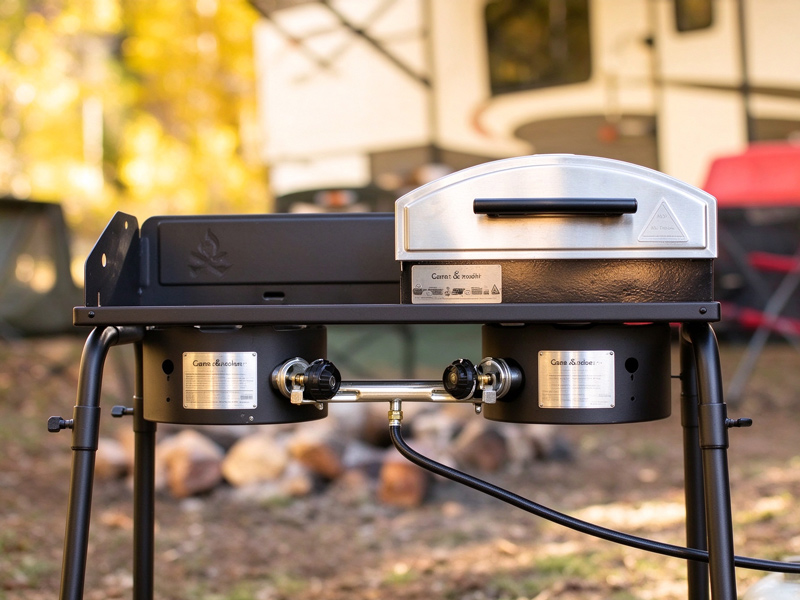
The flagship's copy is organized as a triad — portability, capability, systems — three words that promise the stove is not an appliance but an answer. Organizing by pillars rather than specs is comprehension aimed at the buyer comparing burners: the pillars say the stove packs like a chair, cooks like a range, and expands like a platform, and the store has converted an engineering checklist into a sentence the spouse will approve. The pillars are the pitch; the pitch is three words; and three words are all the argument the family meeting needs, and the family meeting is where camp stoves are actually decided.
Mountains as Model Names
The catalog speaks in elevations — the Everest, the Mountaineer, the Explorer, the Kodiak — each stove named for the terrain it claims to conquer. Naming stoves after peaks is memorability aimed at the customer who owns three stoves and cannot remember which is which: the Everest says altitude, the Mountaineer says expedition, the Explorer says trailhead, and the store has turned the model line into a map the customer can hike. The names are the memory; the memory is the reorder; and the reorder is named after a mountain she has already climbed in her head, and the climbing is why she remembers which burner to buy.
The Tailgate as a Campsite
Among the stoves sits a line built for a different kind of camp — the gameday grill, the copy explaining it was made for fans who take tailgating seriously, the flimsy tabletop grill dismissed in the same breath. Claiming the tailgate is market-widening aimed at the customer who has never pitched a tent: the parking lot is the new campsite, the crowd is the new family, and the store has extended its wilderness kitchen into the stadium lot without changing the product. The tailgate is the second market; the second market is the same flame; and the same flame sells on Saturday what the forest sells on Friday, which means the store never has an off-season.
Twenty Thousand BTU, Said Twice
The burner specs arrive as arithmetic — two twenty-thousand-BTU burners, the copy noting this exceeds the average home stove — the comparison doing the persuasion. Comparing the camp stove to the kitchen range is performance translation aimed at the cook who suspects outdoor cooking of being weak: the numbers say the camp stove out-powers the house, the comparison borrows the home's authority, and the store has made the wilderness the better kitchen. The BTUs are the argument; the home stove is the victim; and the victim concedes without a fight, because the numbers are printed on the box and the box does not exaggerate.
Back in Stock, Like News
The premium model wears a headline when I visited — back in stock, the phrase given the prominence of a product launch. Treating restock as news is scarcity operations aimed at the waitlisted: the headline says the demand outran the factory, the wait was real, and the store has converted a supply-chain event into a conversion trigger. The restock is the headline; the headline is the urgency; and the urgency is earned by the customers who emptied the shelf the first time, and the earning is why the second emptying happens faster.
A Smoker Behind the Stoves
The catalog's far end holds a machine that does not travel — the pellet smoker, the backyard appliance, the camping brand claiming the patio. Extending to the smoker is market-doubling aimed at the customer who camps on weekends and grills on Wednesdays: the same brand serves the forest and the fence line, the weekday purchase funds the weekend habit, and the store has made itself the year-round answer to outdoor cooking. The smoker is the second address; the second address doubles the calendar; and the doubled calendar is the lifetime value, and the lifetime value is the reason the brand can afford to name its stoves after mountains.
The Dutch Oven at the Fireplace
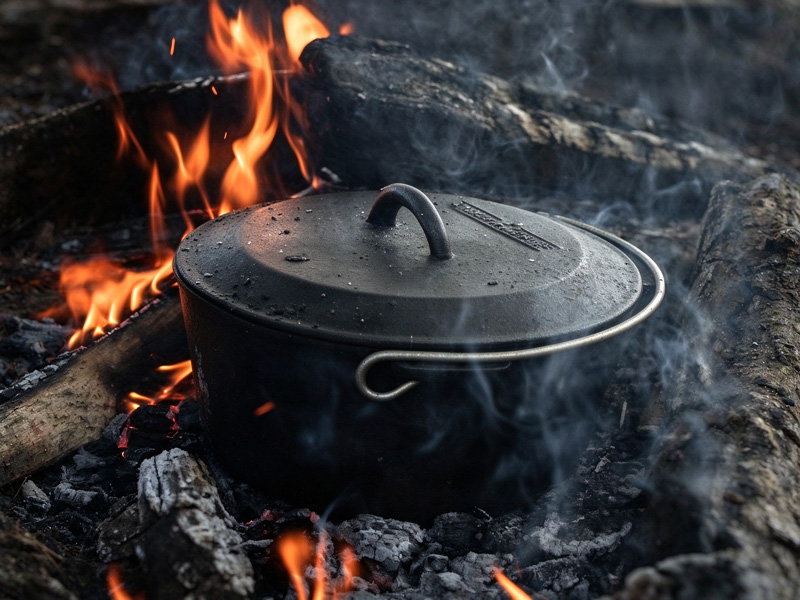
Beneath the modern burners sits the oldest technology — a cast-iron Dutch oven, the copy letting the campfire coals do the talking, the heritage product sharing the page with the space-age stoves. Keeping the Dutch oven is a roots decision aimed at the traditionalist: the cast iron says the company knows where outdoor cooking began, the coexistence says the old and new are allies rather than rivals, and the store has honored the campfire while selling the propane. The Dutch oven is the ancestor; the ancestor blesses the descendants; and the blessing is the brand's memory, printed in cast iron, outlasting every burner the company will ever make.