Biolite's campfire economy: wood-fired chargers, lantern networks, pizza domes, stoves that give back
Official homepage: https://www.bioliteenergy.com
Camping stores usually sell gear — a tent, a pad, a bag. BioLite sells infrastructure: the store's opening sentence promises light and power and cooking you can rely on, whether you are out exploring, traveling, or keeping your home running in an outage. I browsed with a dead phone at a campsite and a healthy suspicion of gadgets that promise too much. Here is the counter, decision by decision.
Door Policy: Three Verbs Instead of Categories
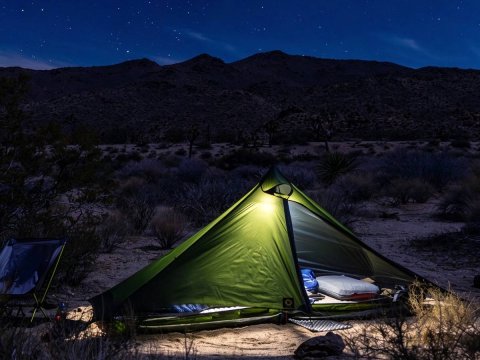
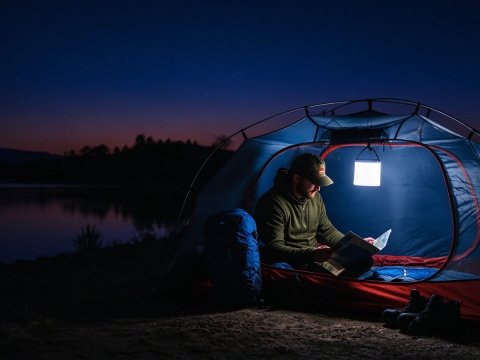
The storefront organizes around three verbs — light, power, cooking — rather than the categories a camper would name. Choosing utilities over equipment widens the addressable moment: the same lantern hangs in a tent and keeps a kitchen running through a blackout, and the store says so before the first scroll. The camping aisle turns out to be the front door of a much larger house, and the three-verb frame is the architecture that lets one brand live inside both.
One-for-One, With Receipts
The most important fixture is a single sentence: for every product sold, a person living in energy poverty gains access to safe lighting and charging — Energy For All, with an impact report linked for anyone who wants the receipts. Tying every unit to a measurable outcome turns each purchase into small-scale infrastructure philanthropy, and publishing the annual report keeps the claim audited rather than decorative. Competitors donate percentages; this store donates function, and links the ledger.
A Second Storefront Under the First
Below the outdoor catalog sits Backup by BioLite — a power reserve designed to disappear into a kitchen, office, or bedroom, installed in thirty minutes without contractors, switching on automatically to keep the refrigerator running when the grid fails. Adding a home line to a camping brand follows the customer from trailhead to suburb: the engineering that keeps a lantern burning for a week keeps a fridge alive through an outage, and the store sells both without pretending they are different products. One factory, two addresses.
Editorial Badges, Dated
The homepage carries awards the way a bookstore carries review cards — Wirecutter's best packable light, a CES Innovation honor, Men's Journal's best headlamp, a CNN Underscored best-tested badge, a GearJunkie editor's choice. Borrowing verdicts instead of writing superlatives keeps the copy short and the credibility secondhand, and the dated badges quietly promise the engineering is current rather than nostalgic. The shelf polices itself: last year's award cannot speak for this year's product.
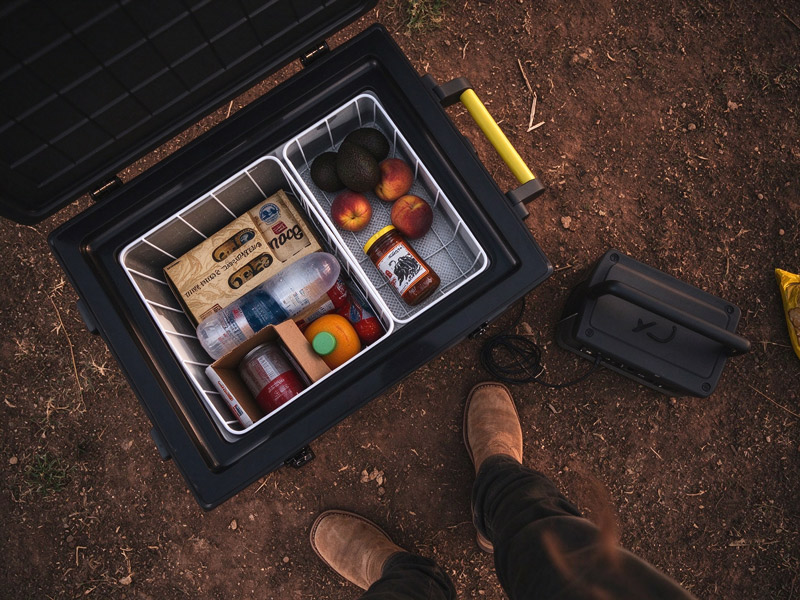
Navigation by Weekend
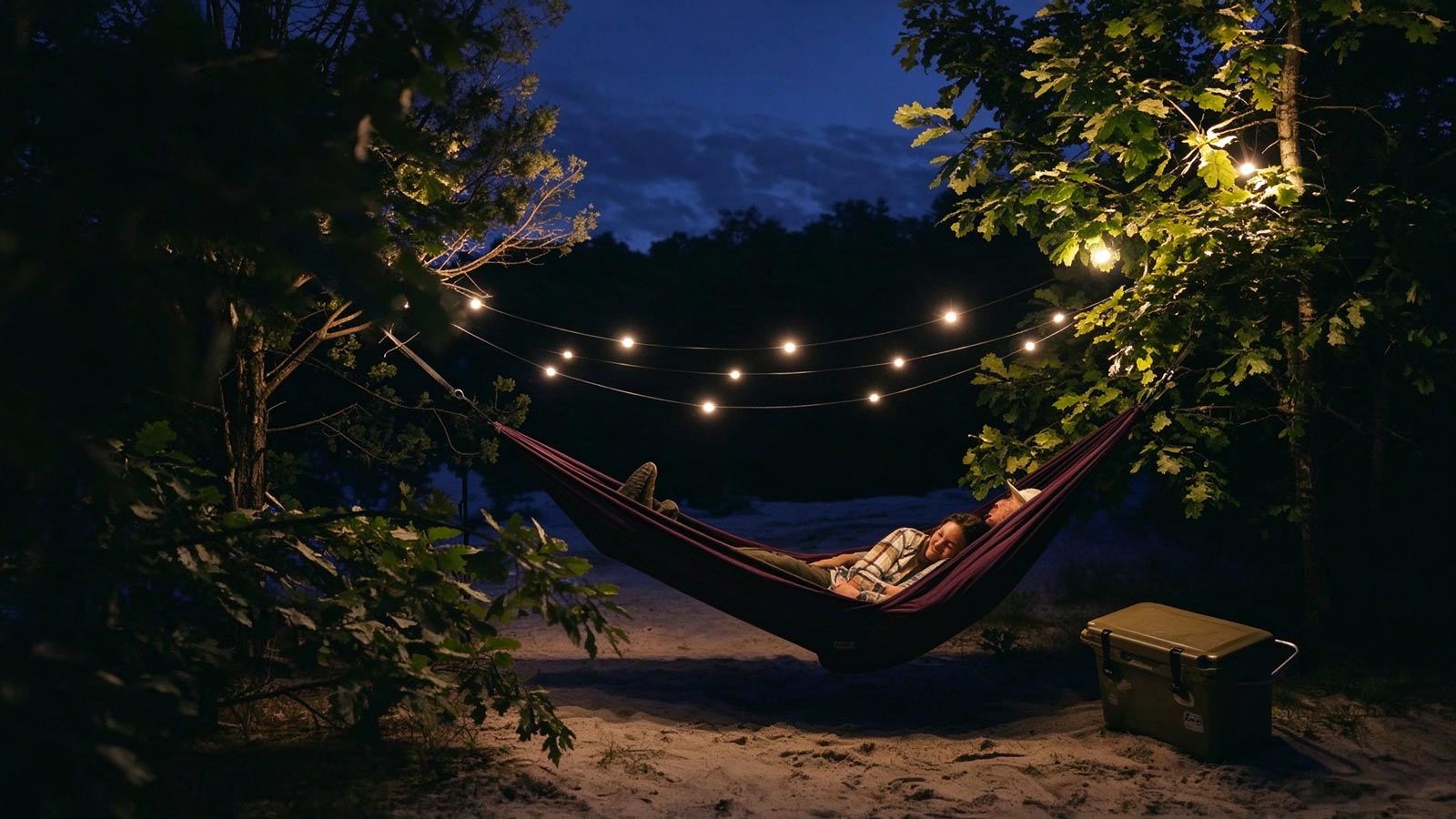
Beside the category menu runs a second axis — shop by activity — sorting the same hardware by the shape of a trip: basecamp cooking, backpacking power, storm-season readiness at home. Letting the activity be the map converts the catalog into a checklist: the customer need not know what a lantern is called, only what weekend she is packing for, and the store assembles the basket around the plan. The second navigation is really a second salesperson.
The Stove as a Platform
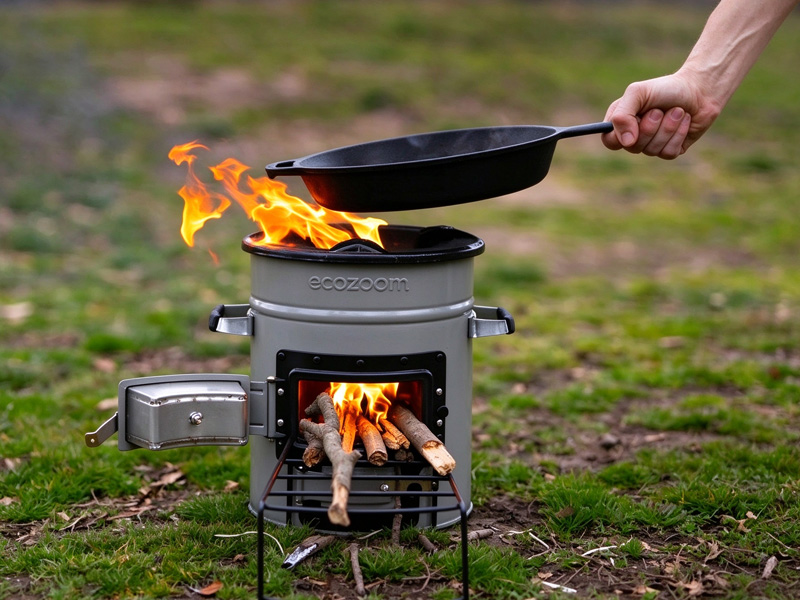
The product that made the brand — a wood-burning stove that converts heat into chargeable electricity — still anchors the cooking line, and it has grown an ecosystem: kettles that nest, coffee presses that lock on, pizza domes that turn flame into a backcountry oven. Designing the stove as a platform means the hardware margin can stay modest, because every accessory fits every generation by design; a customer who buys in once keeps finding reasons to add pieces. Compatibility is the retention program.