A field guide to true botanicals: clinical-grade natural skincare at luxury prices
Official homepage: https://truebotanicals.com
Skincare stores usually ask you to choose between two faiths — the clinical aisle, where lab coats and actives rule, and the natural aisle, where botanicals and good intentions do. True Botanicals was founded in 2014 on the refusal to choose. Hillary Peterson, diagnosed with thyroid cancer at 32, spent eight years studying botanical chemistry and green formulation before launching from Northern California, determined to prove that non-toxic and results-driven could coexist in the same bottle. The result is one of clean beauty's most credentialed storefronts: the entire line carries MADE SAFE certification screening out more than 5,000 suspect ingredients, the store publishes independent clinical trials on its product pages, and more than 41,000 customer reviews hold a 4.5-star average. I went through the evidence, the prices, and the fine print. Here is the store across its dimensions.
The Origin Story: A Diagnosis Rewrites the Brief
The founder narrative is not decoration here — it is the formulation brief. After her diagnosis, Peterson audited her own bathroom shelf, found toxins she was unwilling to accept, and commissioned herself to rebuild the category. The company runs its own certified organic and natural lab in California, keeps the team majority female, and counts a minority stake from Unilever — an unusual parent for a clean brand, but one that has left the formulas independent. Every claim the store makes traces back to this origin: proof before perfume.
Three Lines, One Diagnosis: Renew, Calm, and Clear
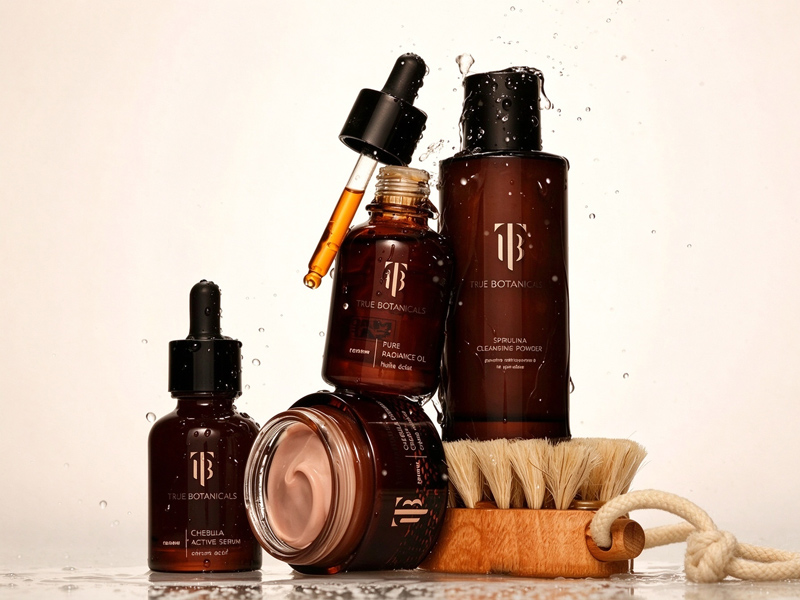
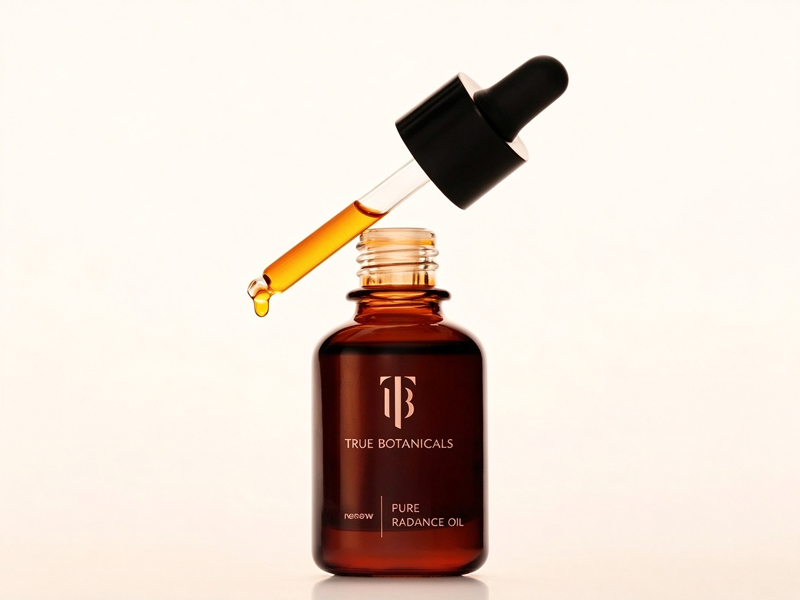
The catalog is organized by skin condition rather than product type. Renew targets normal-to-dry aging skin, Calm addresses rosacea-prone and reactive complexions, and Clear is built for acne-prone skin — each a full routine of cleanser, toner, essence, serum, oil, and cream. Hero pricing tells you where the store's confidence lives: the Renew Pure Radiance Oil is $110 for one fluid ounce, the Chebula Active Serum $90, the Chebula Extreme Cream in the mid-$80s, cleansers and toners at $48, and the Skin Barrier Sun Shield SPF 30 at $65. The full range runs $25 to $180 — luxury territory, but the lower bound keeps an entry door open.
The Evidence Locker: Trials You Can Actually Read
This is the dimension where True Botanicals separates from every clean competitor. The store commissions independent, third-party clinical trials and publishes the results on product pages: the Pure Radiance Oil's published data claims it outperformed Crème de la Mer in every measured category at roughly a third of the price, and the newer Phyto-Retinol Advanced Clinical Cream ($110) arrives with a clinically studied biopeptide shown to deliver ten age-defying benefits twice as fast as traditional retinol, without the irritation. The Chebula franchise — built on an ayurvedic fruit with an antioxidant score higher than açai — gives the line a defensible hero ingredient most competitors have never formulated with. Add the MADE SAFE screening, Ecocert and organic components, vegan and cruelty-free positioning, and glass-first packaging, and the store's paperwork is genuinely the category's heaviest.
The Price of Proof, and the Discount Architecture
Full prices sting — $110 for an ounce of oil is a considered purchase — but the store builds escape hatches around them. Every product carries a subscription option at 15 percent off with free shipping and deluxe free samples, turning a one-time splurge into a managed routine. Sales run deep, with Black Friday historically hitting 40 percent off, affiliate and editorial codes circulate at 15 percent, and the deluxe-sample program lets subscribers trial adjacent products between orders. The realistic first-order math: a Renew starter set lands between $150 and $250, a full routine between $400 and $600 annually on subscription pricing.
Browsing the Apothecary
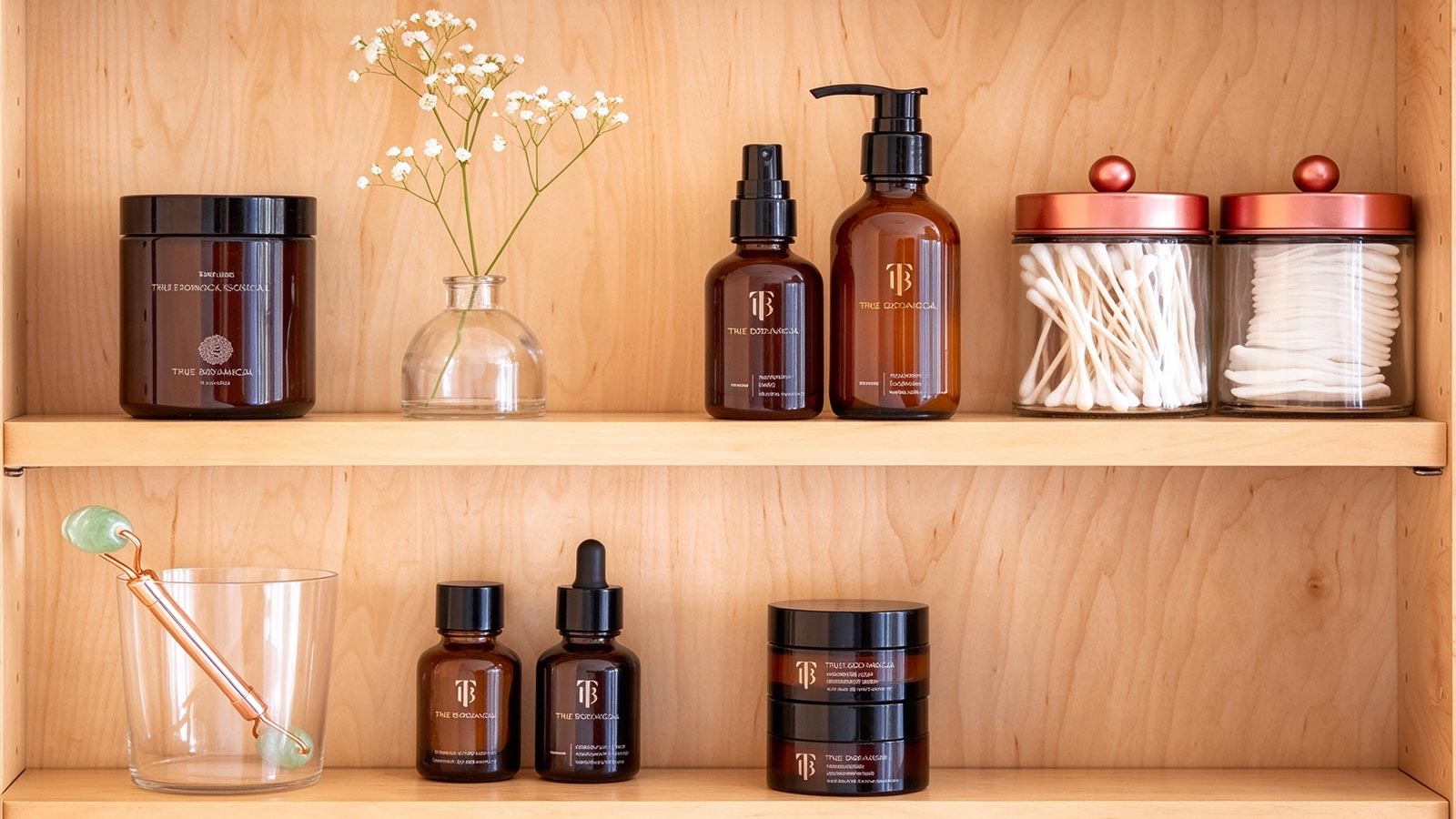
The storefront matches the product philosophy — weighty glass photography, apothecary calm, no countdown gimmicks. Navigation runs by line and concern, product pages lead with the clinical summary and full ingredient lists, and the store's own review engine surfaces tens of thousands of verified ratings beneath each SKU. Checkout is clean, subscription management is self-serve, and the site even hosts a dedicated reviews page aggregating the full 41,000-plus corpus. If anything, the glass-heavy aesthetic occasionally over-promises: one persistent reviewer complaint involves gift-with-purchase offers pictured as full-size bottles arriving as sample vials.
Fulfillment and the Service Ledger
Orders ship reliably with subscription perks softening the cost, but the independent review ledger is genuinely polarized — and worth reading before you buy. Devotees of two-plus years describe visible transformation, products that "last and last," and on good days a support team that replaces short-filled bottles without argument. On bad days, reviewers report unanswered emails, unhonored promo pricing, and a chatbot standing where a human should be. The pattern is consistent enough to manage around: order during sitewide sales when pricing is systematized, screenshot promo terms, and lean on the subscription rather than one-off promotional offers.
The Celebrity Halo and the Fine Print
Olivia Wilde and Brooke Shields have lent the brand their faces, and the marketing spend behind celebrity placement shows. Underneath the halo, the honest critiques from long-term reviewers: the glass jars for capsule products are comically oversized for their contents, the flagship sunscreen stops at SPF 30 when competitors offer 50, and some formulas skew heavy for already-oily skin — the store's own line segmentation acknowledges as much by steering congestion-prone buyers to Clear. None of this undermines the core proposition; all of it belongs in a considered purchase.
Closing Argument
True Botanicals is the strongest argument that clean beauty can carry clinical weight — a store where the trials are published, the certification screens out 5,000 ingredients, and the hero oil claims a head-to-head win over a $300 rival. You pay luxury prices for proof rather than packaging, and the service experience occasionally lags the science. For ingredient-literate buyers who want botanicals with receipts, it remains the reference standard.